Best time to go to Botswana
Botswana is a place of contrasts: about 80 percent of the country is semi-desert and yet the most sought-after safari areas are largely underwater. But, unlike the rest of the region, that water isn’t at its highest during the rainy season! And, most of the water originates from a neighbouring country, not even Botswana itself. These complications are why you need an expert to help you plan: at Biggestleaf many of our team have been on repeated safaris to Botswana and some have even lived there for long periods. We can give you real-life advice from on-the-ground experience.
May to OctoberDry hot season that steadily builds up to peak season
Accommodation and activities
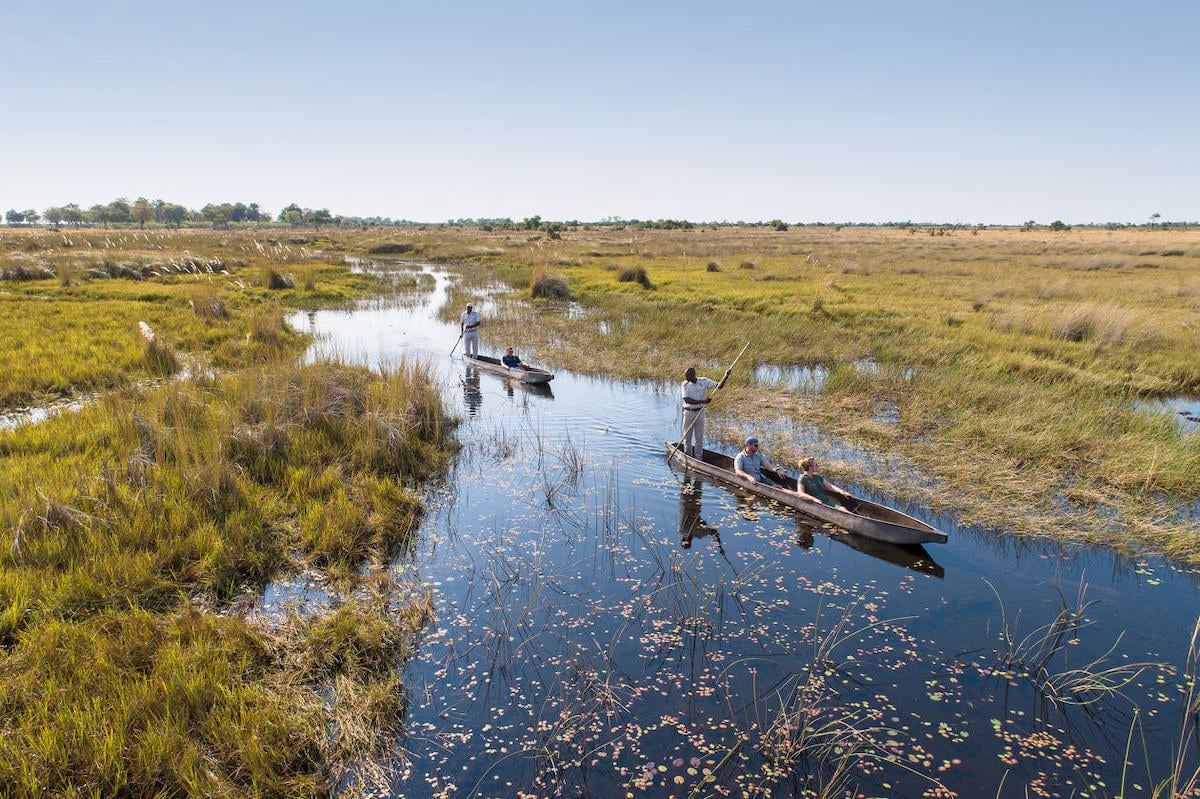
- Contrary to conventional wisdom, the best time for boating and mekoro (traditional dugout canoe) in the Okavango Delta is during the dry season. This is because the outer channels slowly flood with water that falls over the summer hundreds of miles away in the Angolan Highlands. This rainfall takes months to reach the Delta and build up so that waterways are sufficiently deep for such activities. The world’s largest inland delta is actually within a semi-desert zone and doesn’t usually receive enough summer rain itself to flood the channels.
- To further complicate matters, this is also the best time for game drives as higher ground dries out so vehicles can travel further. Hot months speed up evaporation so only really deep channels remain.
- This is the best time of year for sleepouts, star beds and fly-camping as there is virtually never overnight rain. The stars will also not be obscured by clouds, giving you a magnificent display of the Milky Way that feels so close that you can touch it.
- It is also the best time of year for nature walks and walking safaris as the ground will be dry and the bush will be thinner and grass shorter, allowing guides and rangers better visibility for safety.
- Horse safaris for experienced riders generally take place in the cooler months of the dry season when the weather and turf conditions are more conducive to riding out to spot game on horseback.
- The Panhandle – the permanent water area of the Delta in the north-west of the country – is at its deepest and fastest-flowing between about July and September as the floodwaters hit it first before seeping into the rest of the Delta. Some camps are best reached by boat for most of the year.
- Because Makgadikgadi and Nxai are dry now, some lodges offer quad-bike / ATV excursions so you can experience the sheer silence and immense scale of these incredible pans.
Weather
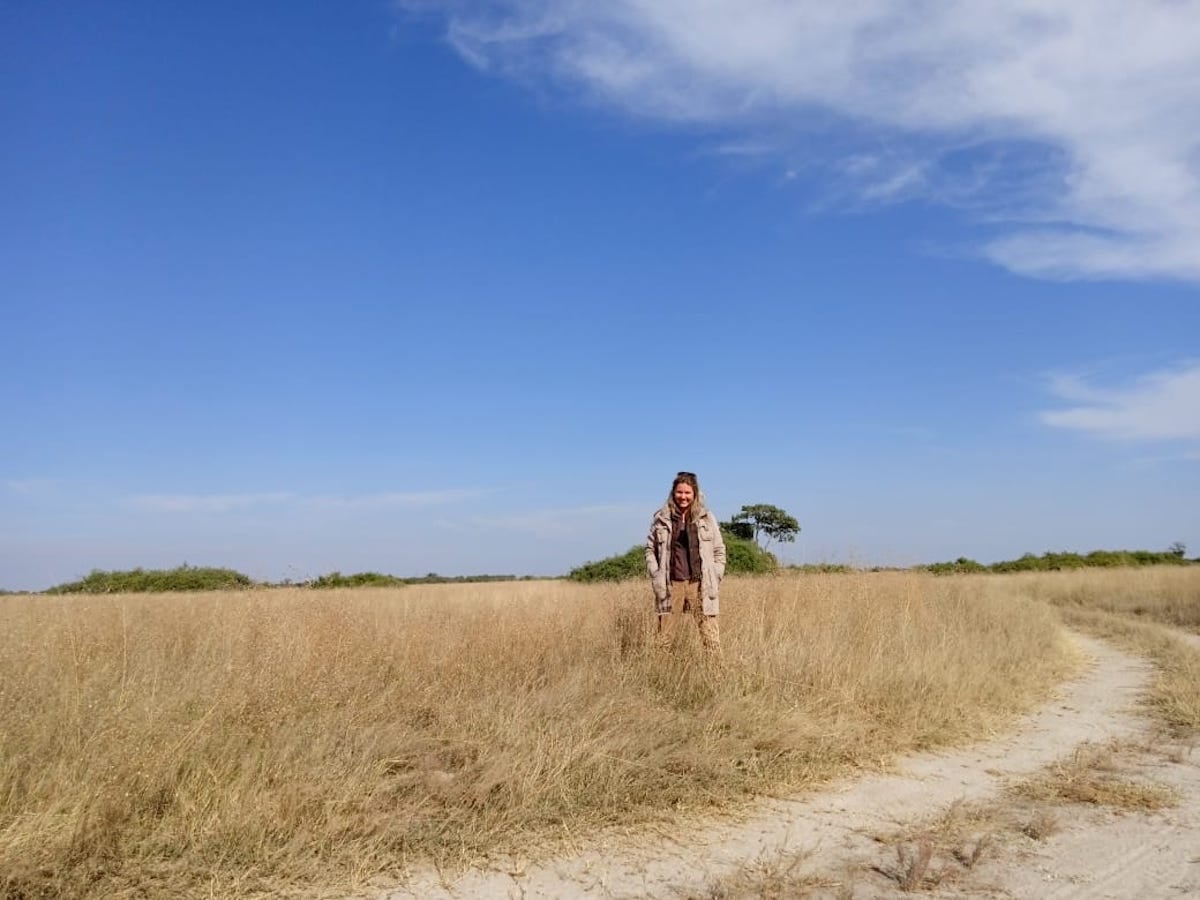
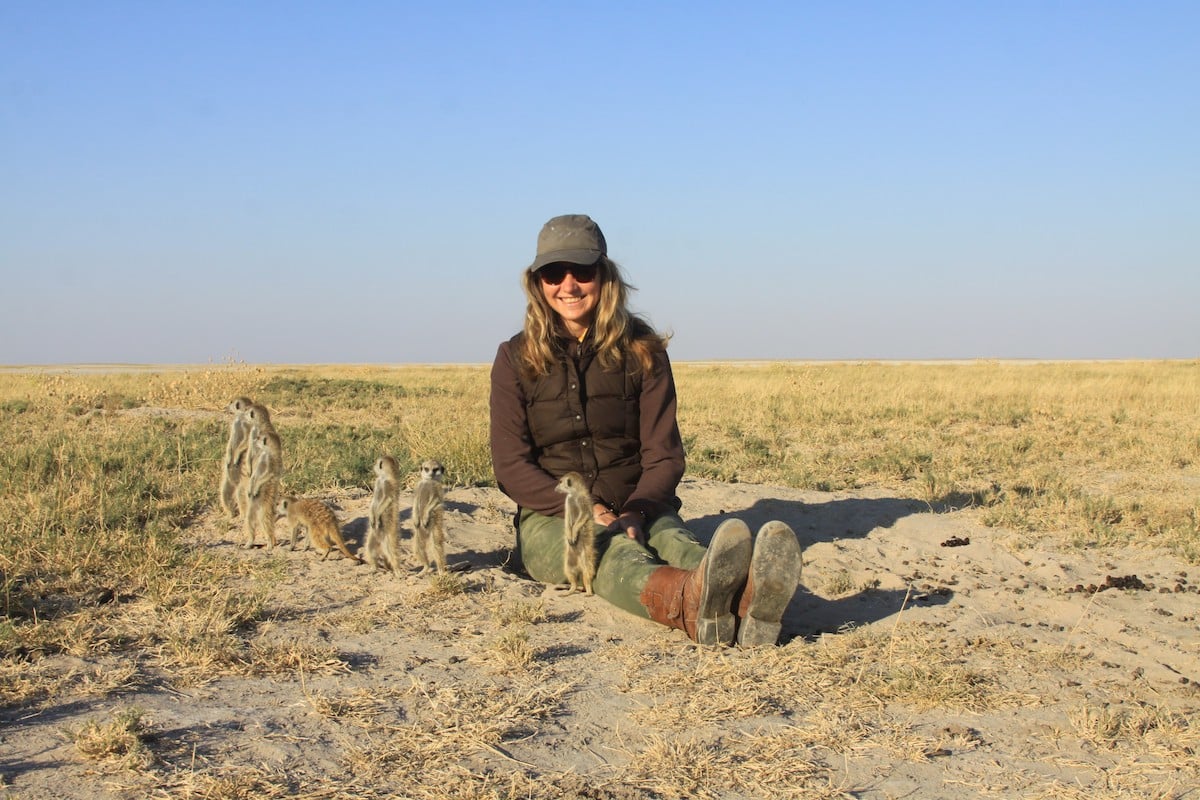
- The cool dry season is between about May and July. From July, mornings remain cold but the days begin heating up.
- Mornings at midyear can be very cold and hitting 0°C / 32°F is not unknown. If you are mobile camping or staying in a tented camp, the staff will generally ensure you have hot-water bottles and extra blankets overnight and for morning game drives.
- Overnight temperatures in the Central Kalahari Game Reserve often drop below freezing.
- The hot dry season starts in about August and temperatures ramp up considerably.
- By October, the air will be very dry and dusty, and daytime temperatures can routinely reach over 40°C / 104°F. We like to ensure our clients have access to swimming pools and air conditioning or over-bed Evening Breeze systems.
- Most days will see 11 to 12 hours of sunshine so be sure to pack sun protection. Cloud cover is generally non-existent.
Wildlife
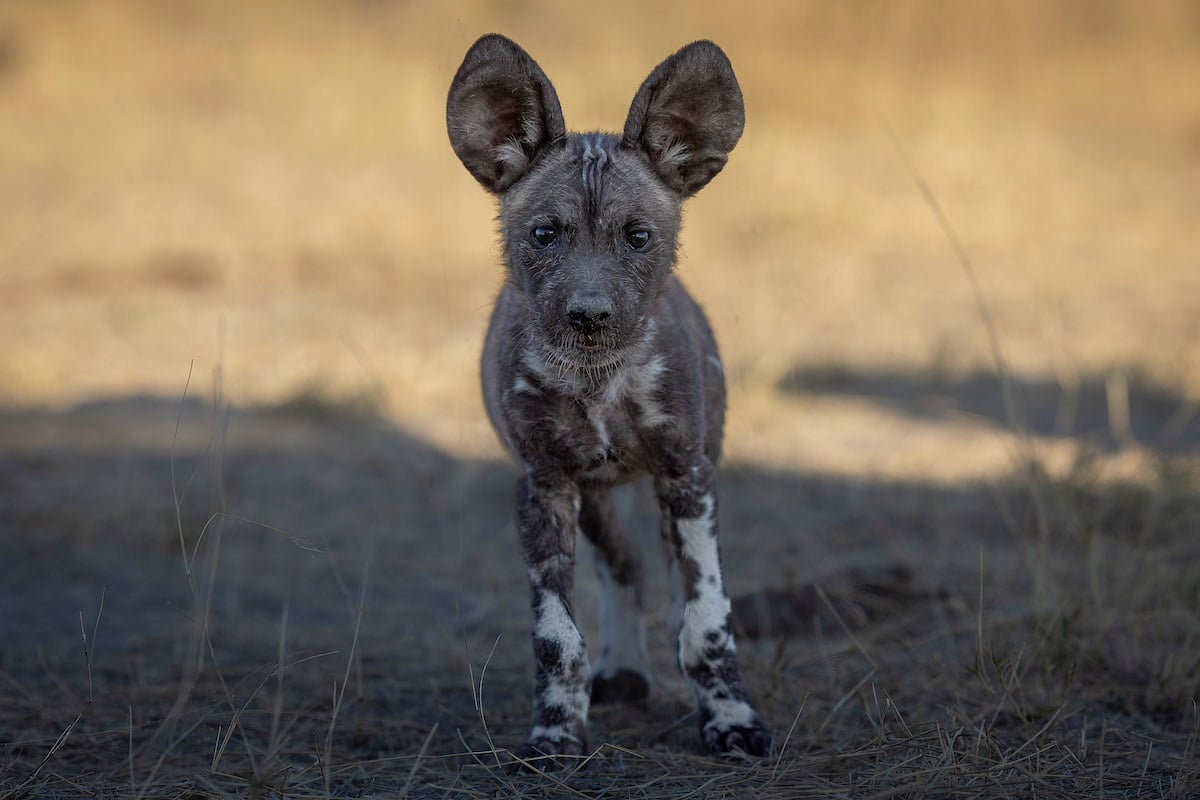
- Wild dogs usually disappear into their dens from about May for the females to give birth (it was believed that only the alpha female breeds but research shows that subordinate females also have pups). The pups are generally hidden for about three months so expect to see dogs again from about September.
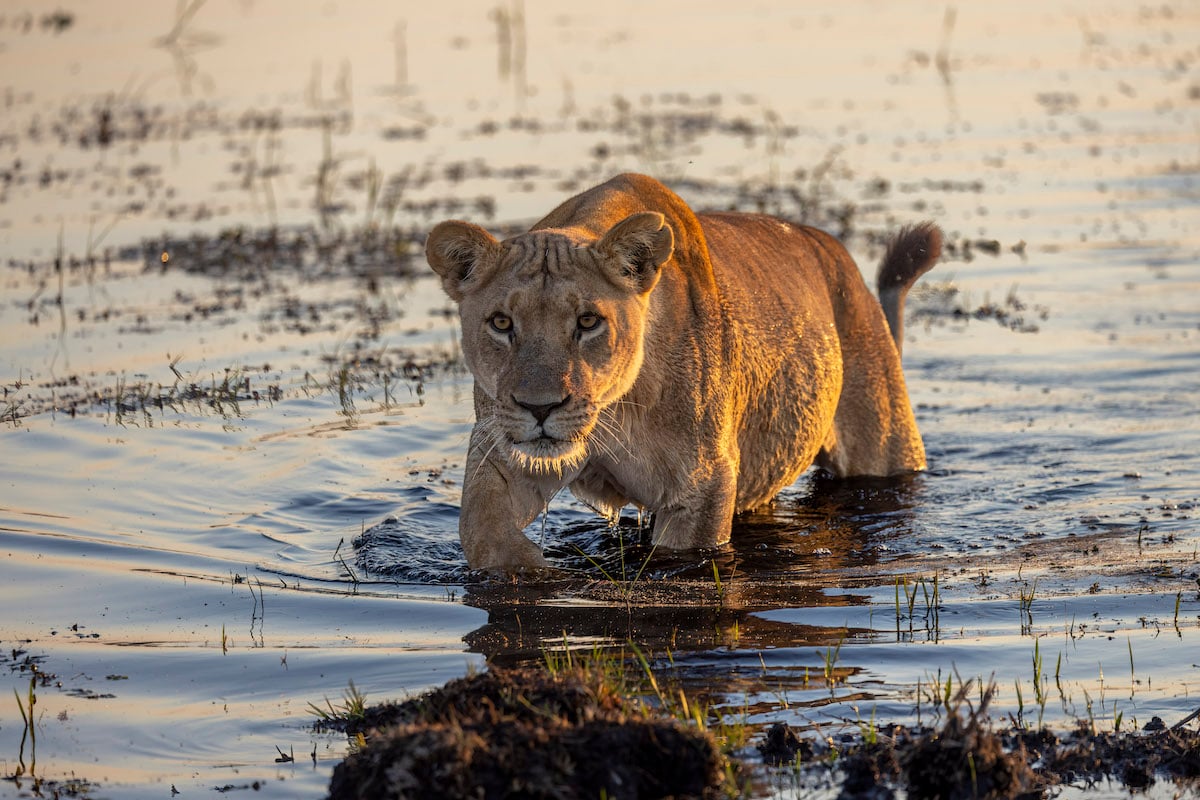
- By October, all animals are not straying far from remaining sources of water, making them much easier to find. The reduced foliage also makes them much easier to see.
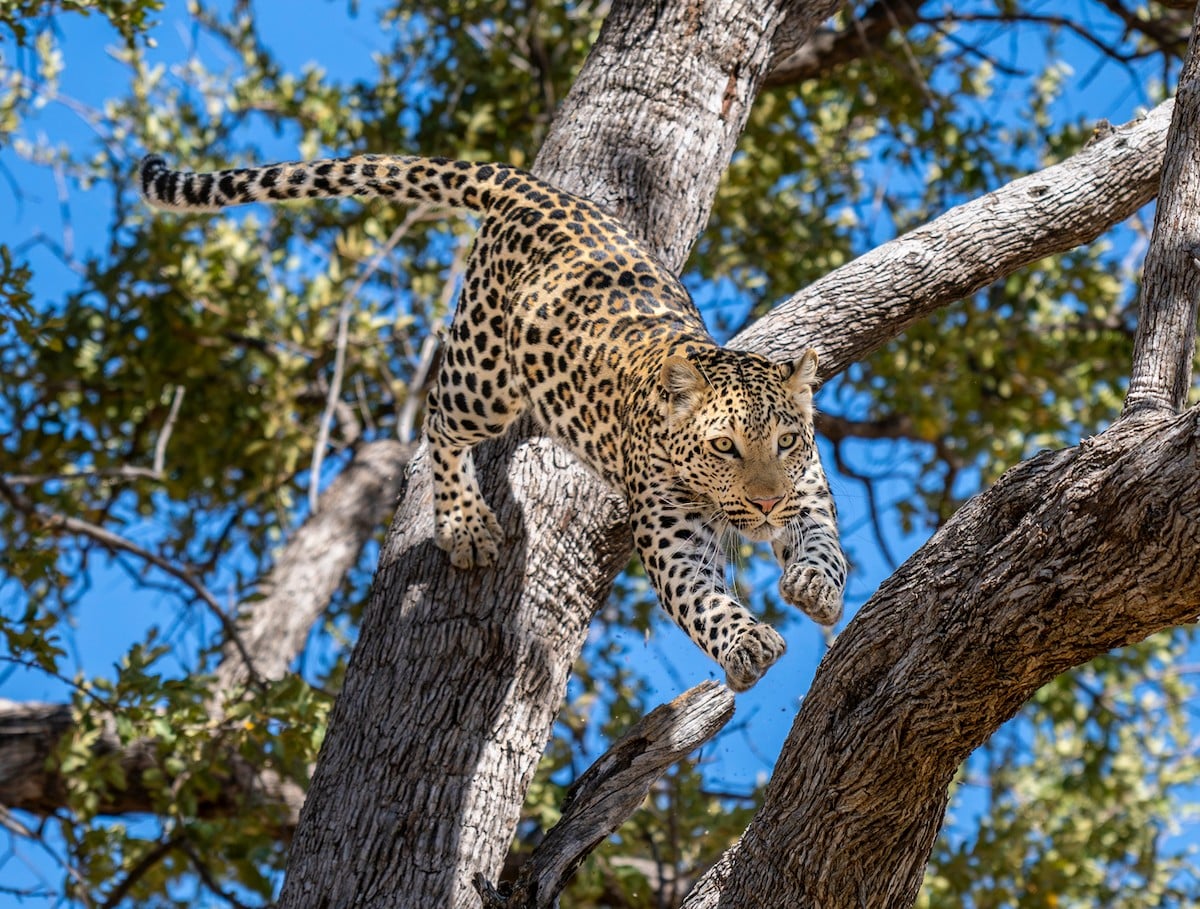
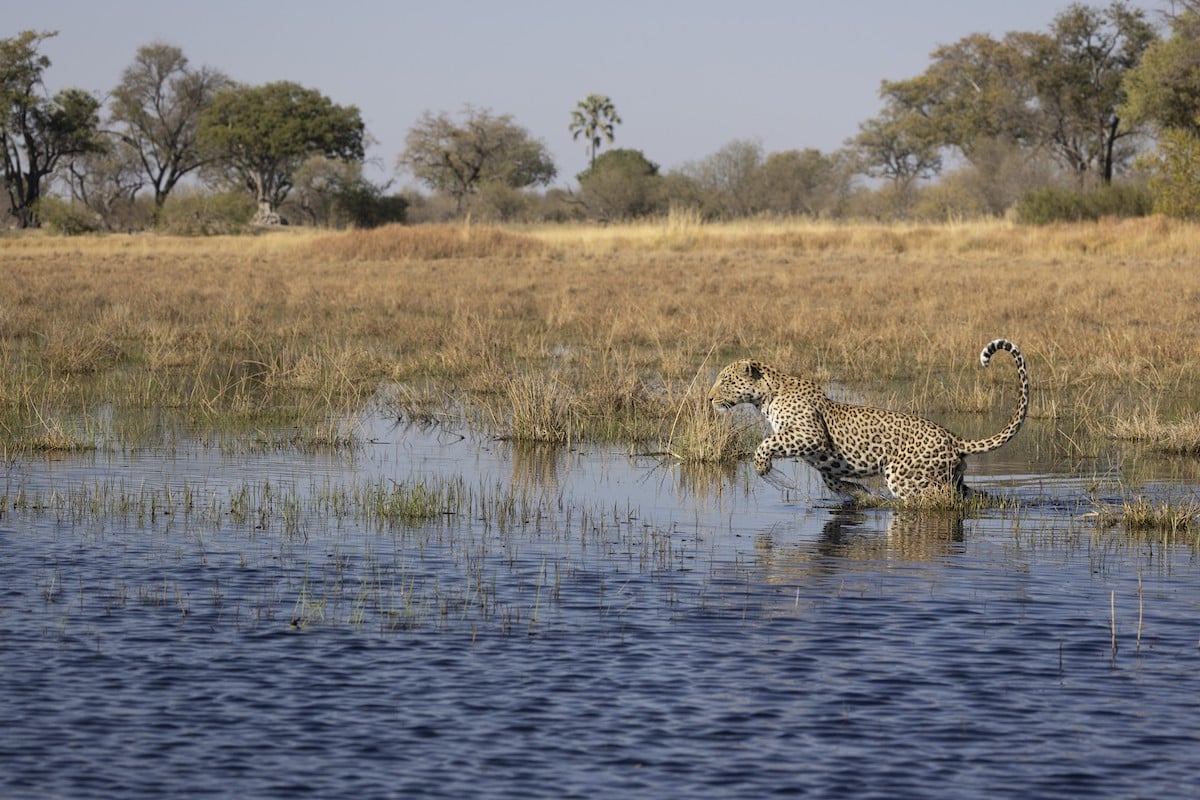
- Leopards are known to prey on catfish left stranded by shrinking pools of water.
- Water-dependent herbivores such as Cape buffalo and breeding herds of elephants start to mass on the banks of the Chobe river – by October, herds of up to 800 buffalo have been spotted.
- Red lechwe give birth to a single calf between about July and August. They are very water dependent and semi-aquatic so flooded conditions suit the females and their young.
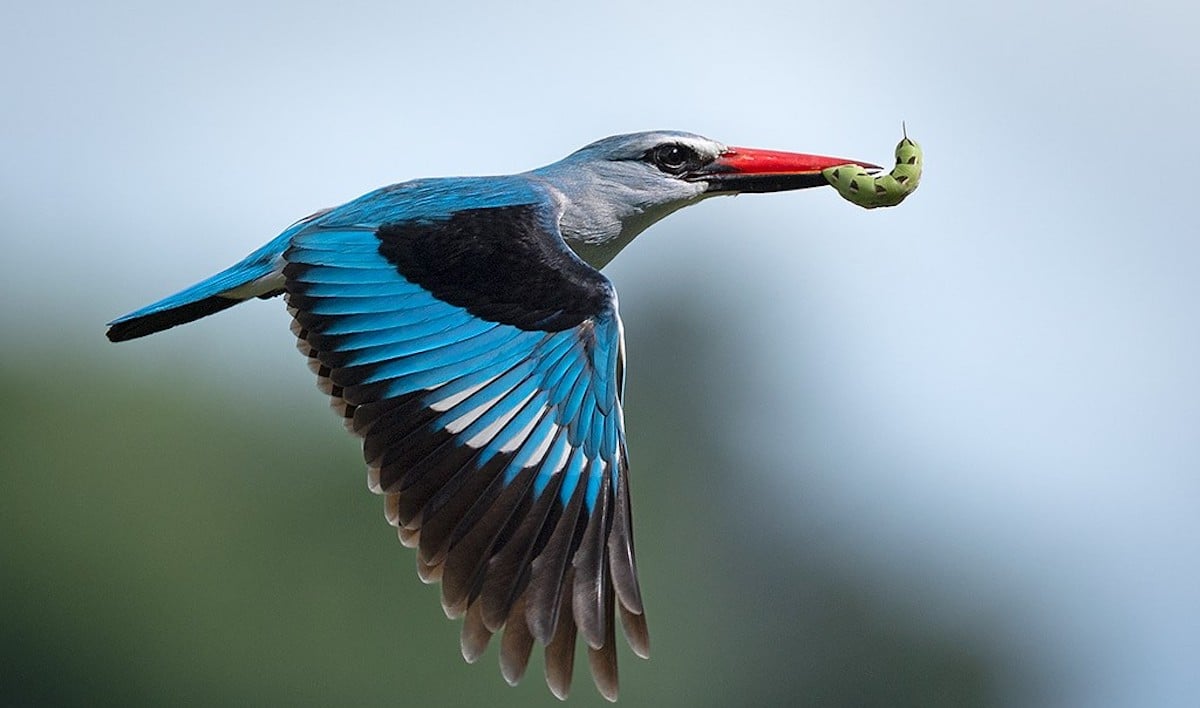
- September and October are breeding season for flocks of up to 500 southern carmine bee-eaters on the banks of the Chobe river. As intra-African migrants, they then move on to elsewhere in Southern Africa, making them one of the rare migrant species that aren’t seen best in low or green season.
November to AprilThe humid, warm rainy season is ideal for birders and those on a budget
Accommodation and activities
- While most lodges and camps remain open, some do close over the rainy season for annual staff leave and maintenance.
- Add-ons such as star beds or sleepouts may not be available because of possible precipitation.
- Nature walks and walking safaris may not be offered as the ground could be too wet and the grass will be too high (your ranger will not be able to see ahead).
- Some areas may be impassable because of sticky black-cotton soil that turns to mud in the rain.
- Birding is at its best as most of the migrants will be around: Botswana boasts up to 615 recorded species across habitats that range from semi-desert and scrub to woodland and riverine forest.
Weather
- Summer rains generally arrive at some point in November and mostly take the form of late afternoon thundershowers or soft overnight rain.
- Humidity rises considerably.
- Lightning and dramatic cloudscapes create incredible images.
- Daytime temperatures generally reach 30°C+ / 86°F+.
Wildlife
- Wild dogs are more active now as they do not den in summer.
- Impala drop their young en masse around November and December. This mass birth strategy allows for the greatest number to survive as grazing is good after the first summer rains and predators are ‘flooded’ with targets.
- Wildlife will be dispersed as they don’t rely on rivers and waterholes for drinking – puddles, ponds and seasonal springs provide sufficient water. This does make them harder to find but it is even more thrilling when you do!
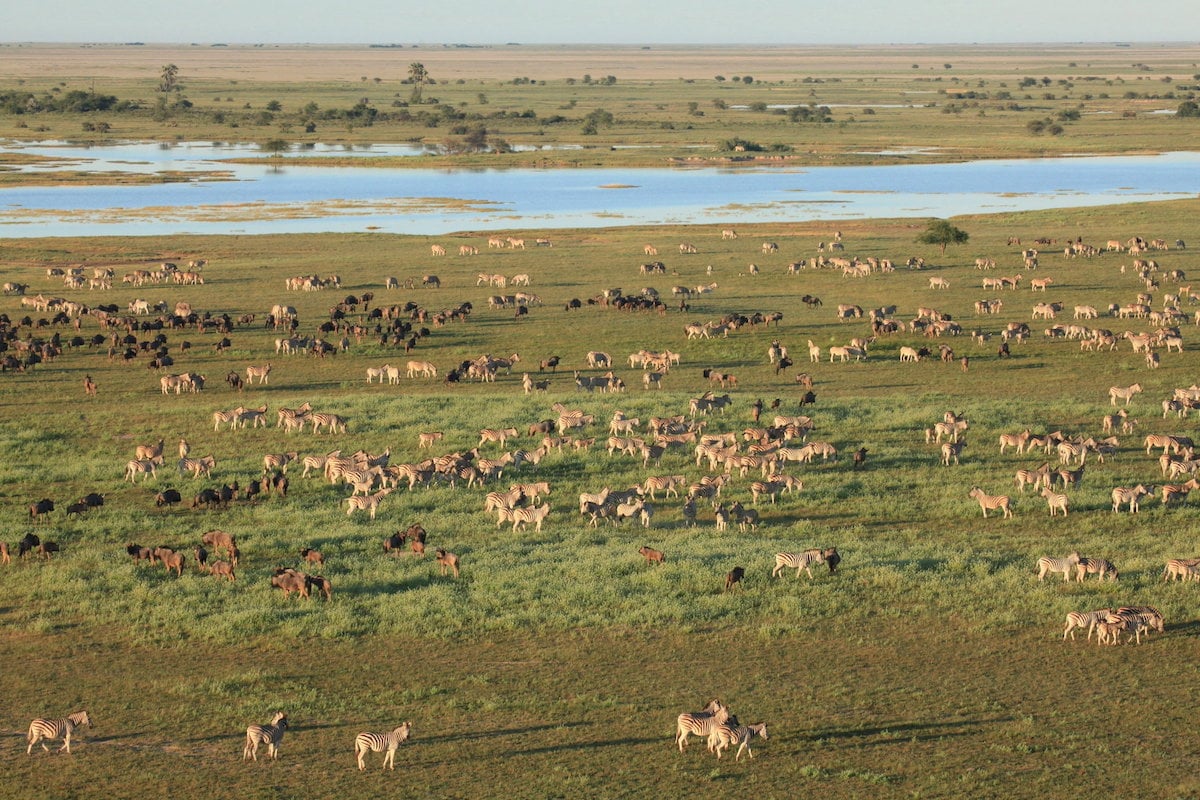
- Zebra – joined by a sprinkling of wildebeest – start arriving in Nxai Pan and Makgadikgadi from the Okavango Delta and Chobe National Park. Travelling hundreds of kilometres, thousands migrate south to enjoy fresh grass and drink at the Boteti river, both of which spring back to life after summer rains. Nxai Pan and Makgadikgadi are both semi-desert areas that are transformed over the wet season.
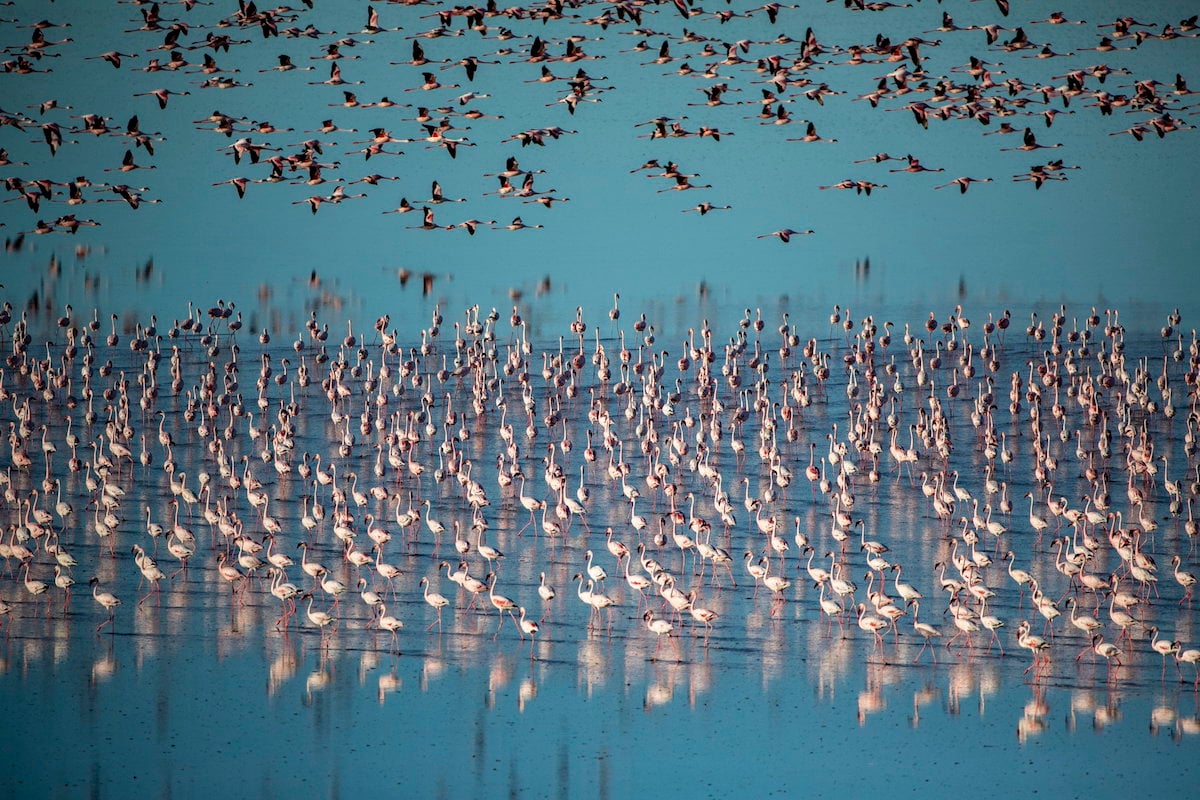
- Also arriving – mostly at Sua Pan but also across the Nxai Pan and Makgadikgadi area – are huge flocks of flamingoes. They feed in the nutrient-rich pans after good rains. About 20 000 greater and 40 000 lesser flamingoes build mud nests and breed before dispersing to other wetlands across Southern Africa by about April.
- In the Central Kalahari Game Reserve, light rains rejuvenate the area with masses of wildflowers, leading to lovely sights of game making their way through a blaze of colour.
- Red lechwe commence rutting at the first rains in about November. This is an impressive sight as the males clash for the right to mate with some battles going on until February.
- Between February and April, the elusive Pel’s fishing owl lays two eggs in dense riverine forest. Just over a month later, only the first chick to hatch survives. Pel’s are best seen while boating in the Panhandle.
- In midsummer, baobabs sprout white blossoms that only open at night to attract bats that then act as pollinators.
Why book with Biggestleaf Travel

We Sell What We Love: We are genuinely passionate about African travel and safaris. Every itinerary we design is shaped by first-hand knowledge, personal experience and a deep respect for the destinations we represent. It is company policy that our consultants experience the destinations and lodges they sell, giving them practical insight into the areas, logistics and overall journey.
Your Financial Security Comes First: We mitigate financial risk by being accredited members of ASATA, SATSA and ATTA, ensuring your funds are handled responsibly and in line with industry best practice. You book with confidence, knowing your investment is protected. For more detail, please visit our Why Book With Us page.
Transparent, Independent Reviews: Our reputation is verified through open, independent reviews on Trustpilot, Google and TripAdvisor — real feedback from real travellers, with nothing hidden. Please visit our Reviews page for more information.
Tailor-Made – Not Template – Trips: No two travellers are the same. Every journey we create is fully personalised and customised, designed around your interests, pace and expectations. This may take longer to organise but it means our clients get an unforgettable experience.
Established, Stable & Experienced: Founded in 2014, we are proud that we still have our first consultants working with us today. This continuity reflects the strength of our team culture, depth of experience and the long-term relationships we build with our staff, clients and safari partners.
Responsible Travel & Carbon Offsetting: We believe in protecting Africa’s wild places for generations to come. As part of our commitment to responsible travel, we offset our travellers’ carbon footprint through bed-night calculations, and fully offset all kilometres driven by our vehicles through verified carbon credits. Every journey therefore contributes to conservation, climate responsibility and the long-term sustainability of the destinations we love. Visit our Sustainable Travel page for more information.