
Best time to go to Namibia
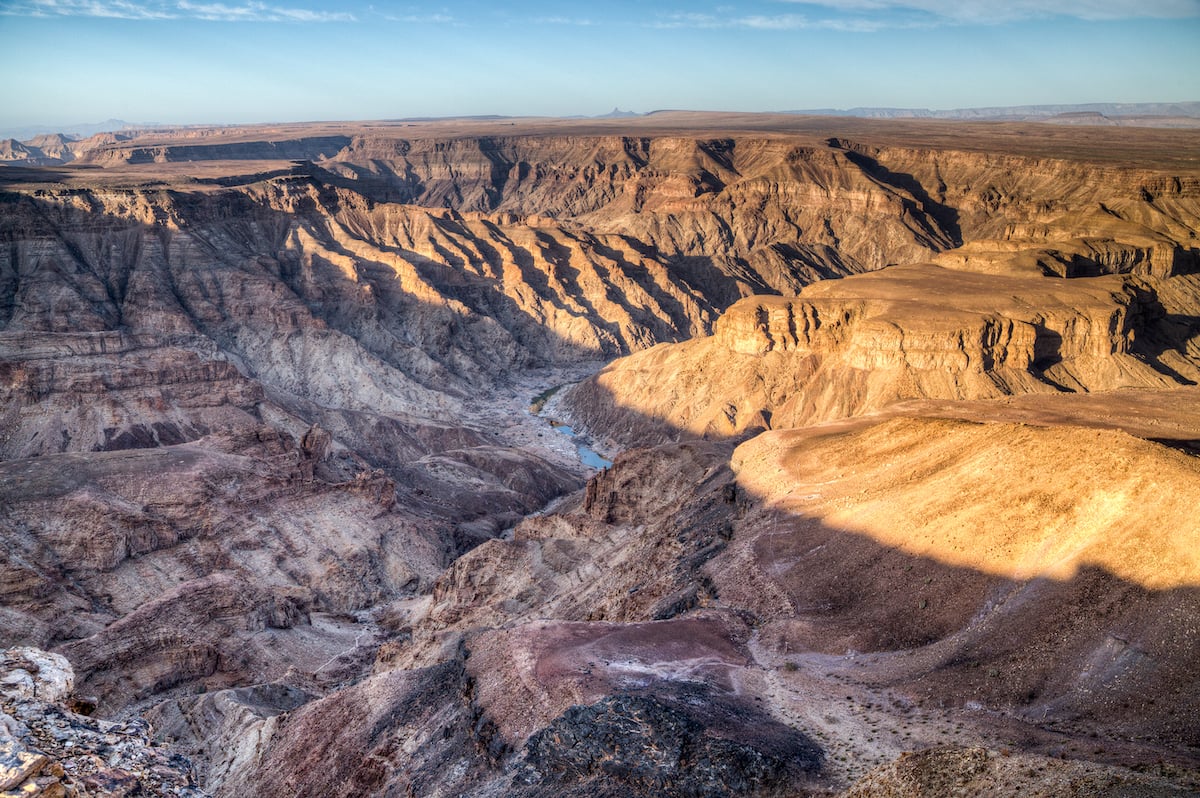
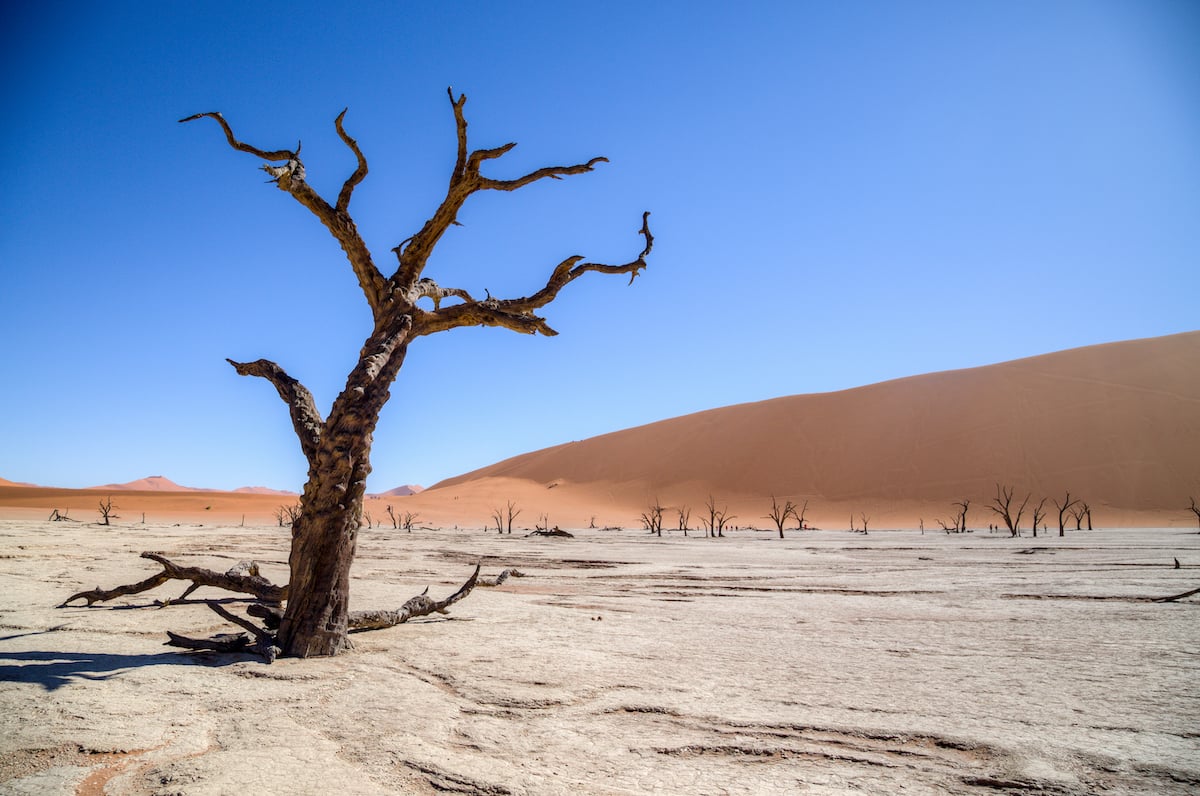
Namibia is an exciting country because you can not only drive yourself around safely but you can also go from the splendours of the Fish River Canyon in the south to the rushing cascades of the Epupa Falls in the north. The world’s oldest desert lies in between, as does a wealth of wildlife, birdlife, marine life, rock art, meteorites and incredible geology.
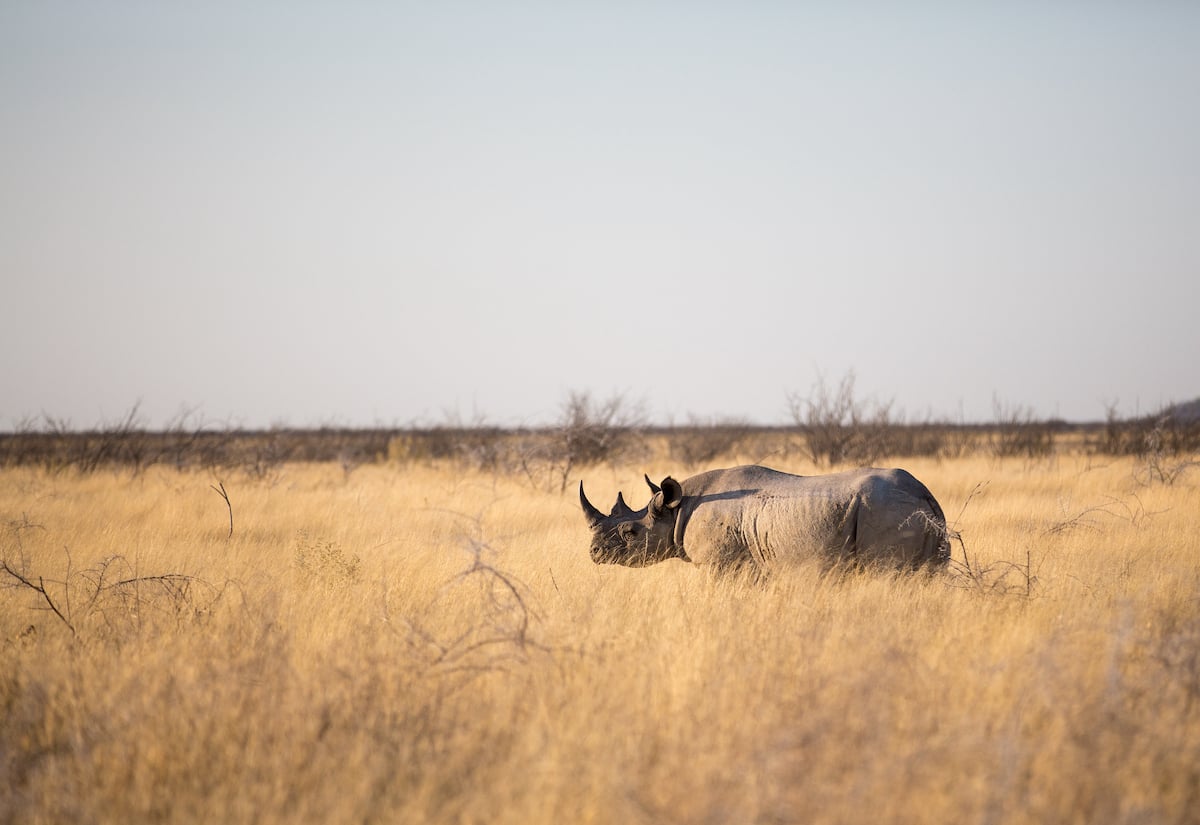
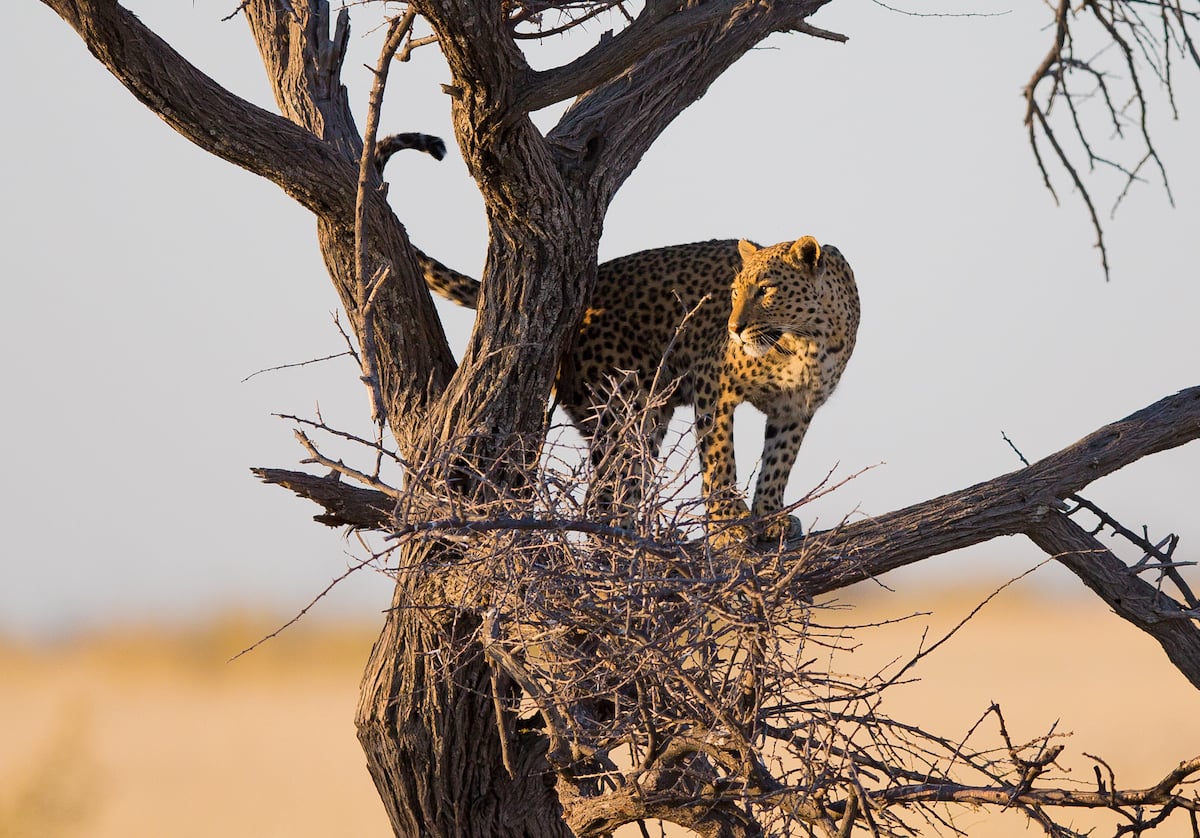
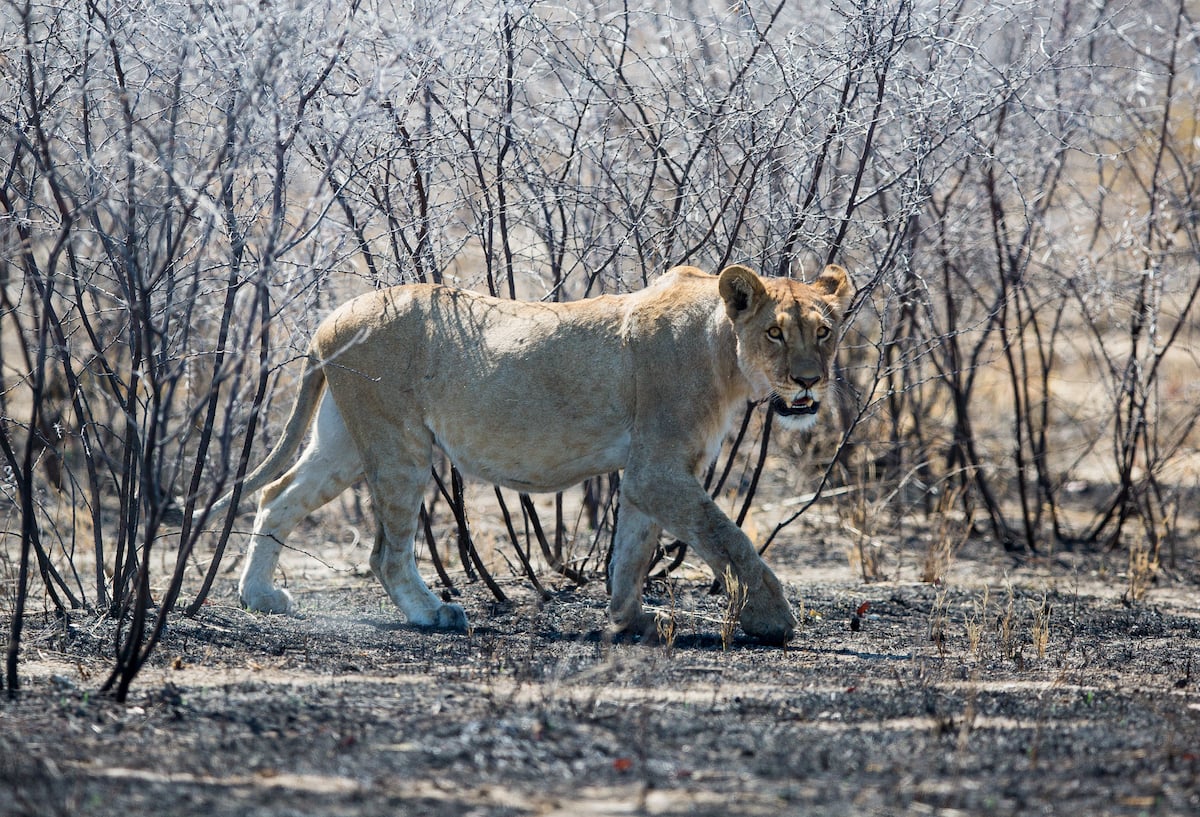
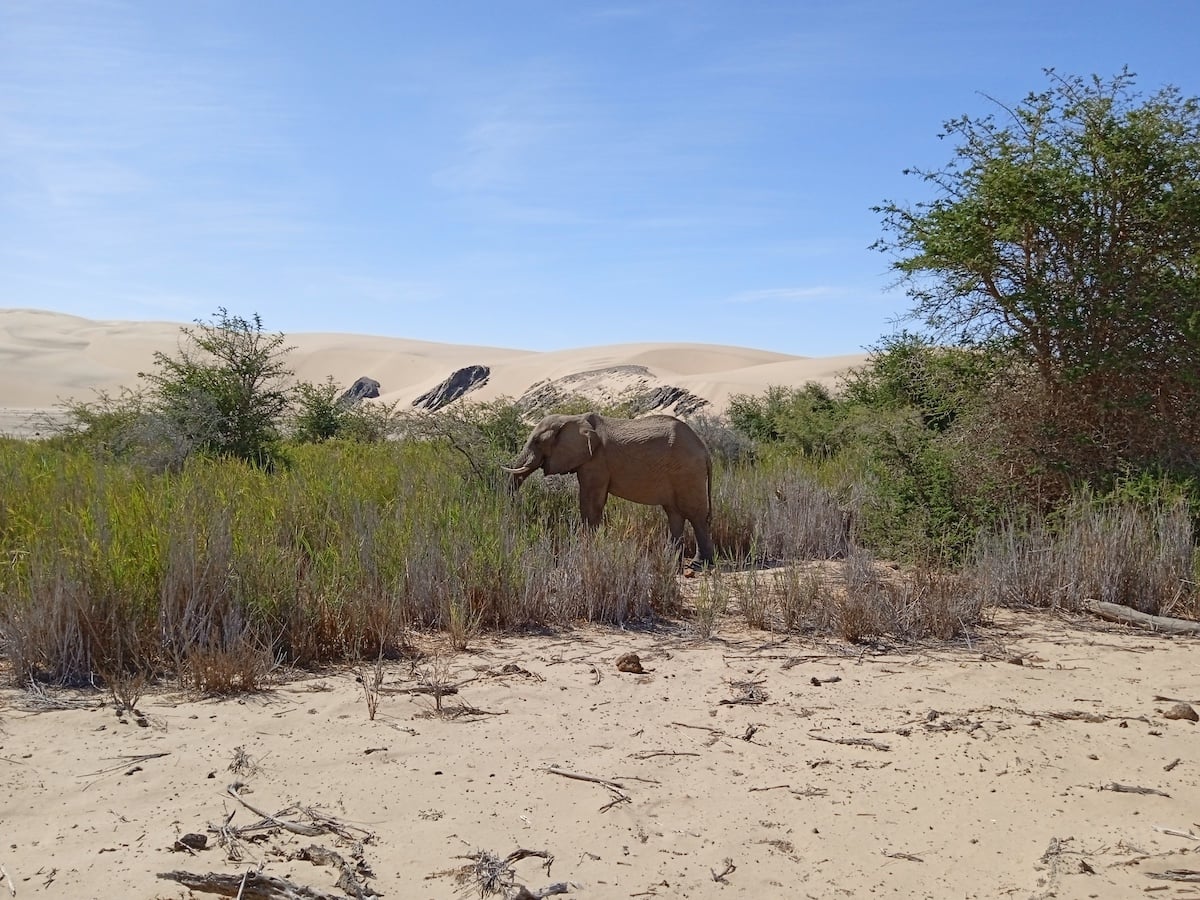
With an average of 300 sunny days a year and limited rainfall, there is no bad time to visit Namibia. But it is important to note seasonality to maximise the experience you want to have. Namibia is not a Big 5 country as buffalo – being water-dependent – are very rare. Leopards are also tricky to find because tall trees are uncommon but they are around. Desert-adapted lion, elephant and rhino are always extremely special to see, as are far more unusual species like brown hyena, Cape fur seals and humpback whales.
May to OctoberDry, cooler peak season
Accommodation and activities
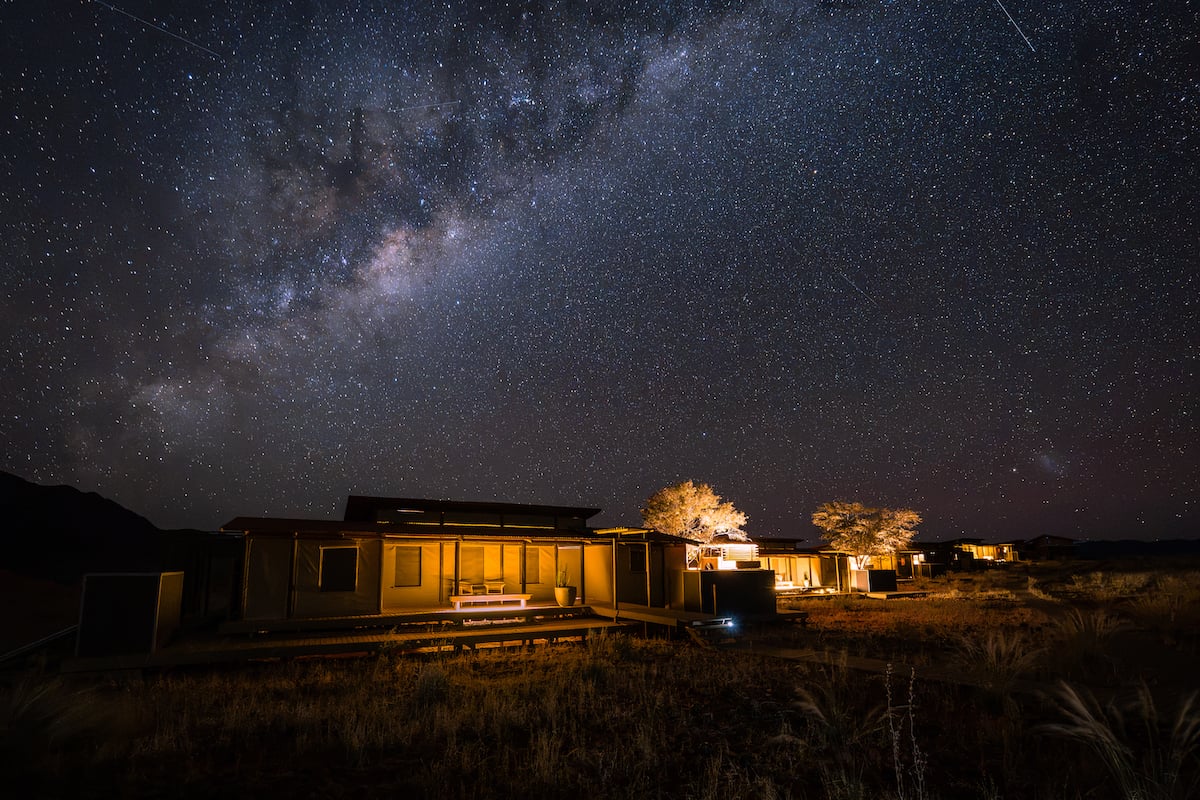
- A great time to take advantage of sleepouts and star beds since there is virtually no chance of rain. The NamibRand Nature Reserve is an official Dark Sky Reserve but Namibia is so sparsely populated and has so little light and air pollution that seeing the Milky Way in all its glory is a treat almost everywhere outside major settlements.
- Game drives will be more comfortable as days are cooler and less humid. There are also fewer insects around.
- Hiking and camping in the Fish River Canyon is only permitted between April and September to avoid the risk of flash floods. This is the second largest canyon in the world and the biggest in Africa.
- This is the best time for whale-watching boat trips – ‘Walvis Bay’ means Whale Bay in the Afrikaans language. While they are around between June and November, their numbers tend to peak in July and September. Namibia also has migrations of blue and fin whales but these are much less predictable and more irregular.
Weather
- Winter temperatures can be very cold in the mornings and evenings but days are pleasant. Be sure to dress in layers.
- June to August can see the East wind arrive on the Skeleton Coast (including Swakopmund and Walvis Bay). This strong wind can lead to high seas and sandstorms. The Skeleton Coast is named for the 119 recorded shipwrecks – the real number is likely greater as many might have gone unrecorded.
Wildlife
- In autumn (about April and May), aloes provide beautiful red or yellow flowers. Their nectar feeds bulbuls, mousebirds and dusky, Marico and scarlet-chested sunbirds.
- Deciduous trees drop their leaves in late May, heralding the start of autumn and peak safari season. Thinned-out foliage makes game much easier to spot.
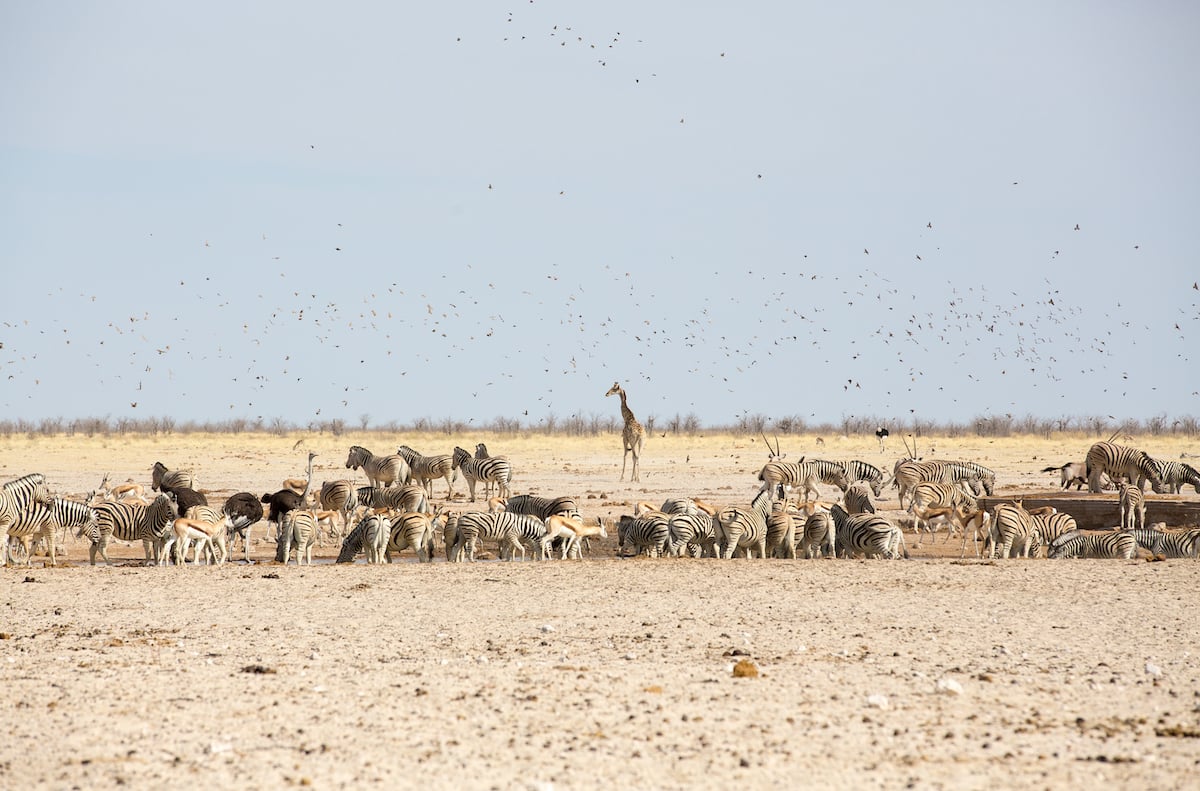
- As both water and grazing get scarcer, so herbivores gather around waterholes, many of which are pumped. It is not uncommon to see literally hundreds of animals at a single drinking spot in the Etosha reserves, especially giraffe, elephant, oryx, impala, zebra, ostriches and huge flocks of swirling Namaqua sandgrouse.
- Between August and September, dune larks are known to feed on nara melons. This is Namibia’s only endemic bird and lives in the red dunes around Sossusvlei, Dune 45, Walvis Bay and Swakopmund.
- Humpback whales migrate along the Skeleton Coast.
November to AprilWetter summer season
Accommodation and activities
- Birders have a literal field day with around 670 to 680 recorded species (official lists vary). Specials around Caprivi include slaty egret, coppery-tailed coucal, swamp boubou and the greater swamp warbler. Near-endemics include the Herero chat, Rüppell’s parrot, violet wood hoopoe and Hartlaub’s francolin.
- Game drives go ahead but some areas may not be accessible if rain has made tracks and pans muddy. The grass will also be high, making it harder to spot wildlife but giving you and your guide an exciting challenge.
- Kitesurfers and windsurfers take advantage of south-westerly coastal winds at Walvis Bay.
- Canoeing is best on the Orange river and at Ondoruso gorge on the Kunene river as rainfall swells water levels.
- Sightseers enjoy the Popa Falls on the Kavango river and Epupa Falls on the Kunene. Epupa is especially stunning as there are lots of cascades and smaller falls when water levels are high enough.
Weather
- More than half the average annual rainfall of about 270mm / 10.7in occurs in January and February, mostly in the form of short-lived late-afternoon thunder showers.
- Days can be very hot and humid so we aim to suggest lodges and camps with air conditioning and swimming pools to our clients.
- Morning fog often blankets Swakopmund and Walvis Bay between December and February when the hot desert air hits the cold Benguela current of the Atlantic ocean. Pack trousers and a jacket as it can be cool until the fog lifts.
- March to May is traditional ‘hayfever season’ so pack medication if you are prone to symptoms.
Wildlife
- Up to a million flamingoes arrive at Etosha pan once it floods from summer rain to feed and breed.
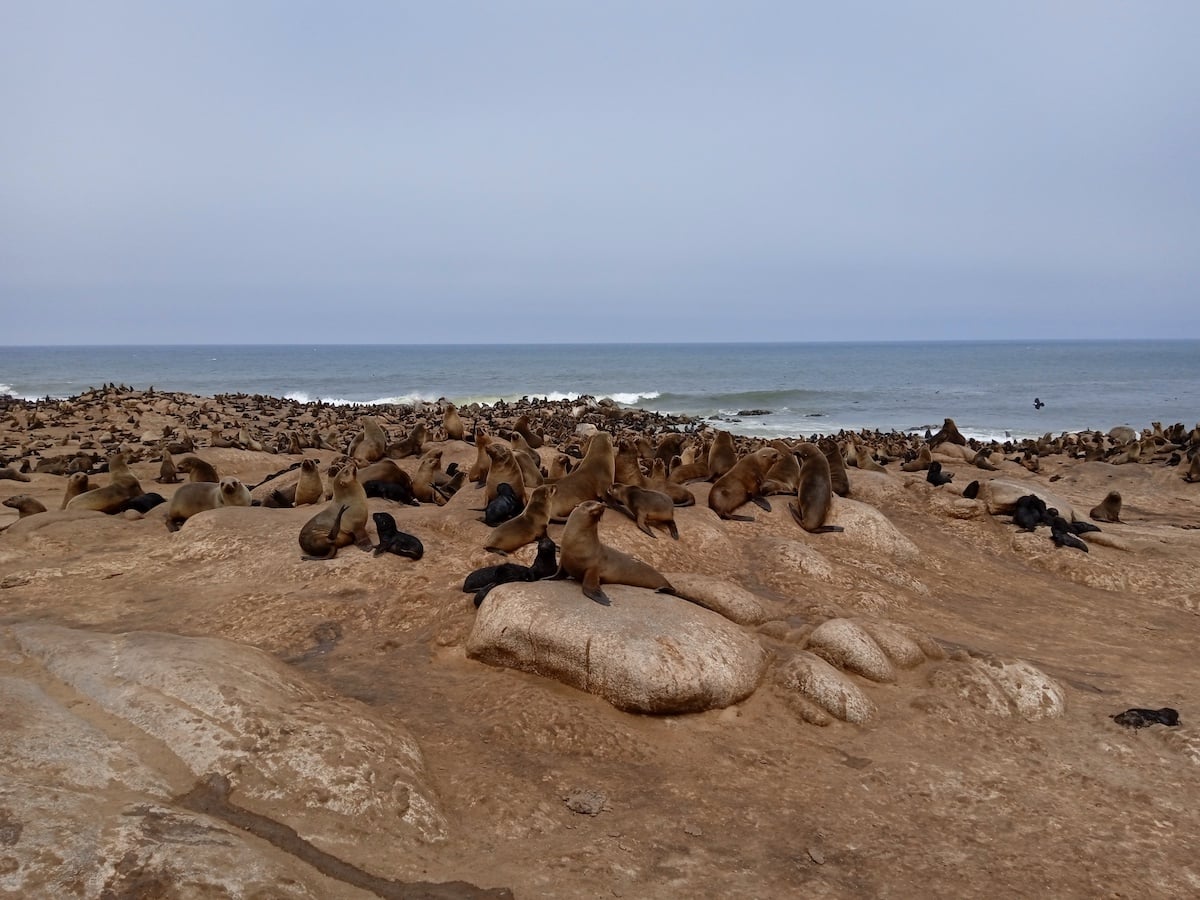
- From mid-October, Cape fur seal bulls start establishing their territories. Serious fights can break out as they vie for dominance and the right to mate.
- From about late November and early December, Cape fur seal cows give birth – a prime time to see elusive brown hyena, desert-adapted lion and black-backed jackals circling colonies to prey on defenceless pups. Around 260 000 seals can be found at Cape Cross and other large colonies along the Skeleton Coast.
- At Walvis Bay lagoon, summer rains bring flamingoes, pelicans and migrant waders to enjoy the replenished water.
- You are more likely to see tortoises at this time of year as they drink as much as possible during the rainy season, keeping their bladders at capacity. Namibia has the second highest number of tortoise species but all six are sadly endangered especially because of the illegal pet and wildlife trade.
- African bullfrogs appear at the first rains. They can burrow and hibernate for up to two years in times of drought.
- Impala lambing season is November to December. This synchronised birthing period is known as predator swamping as so many calves overwhelm the cats and allow more baby impala to survive.
- Between February and April, look out for dune larks feeding on spiky nara melons around Sossusvlei, Dune 45 and the dunes around Walvis Bay and Swakopmund.
Why book with Biggestleaf Travel

We Sell What We Love: We are genuinely passionate about African travel and safaris. Every itinerary we design is shaped by first-hand knowledge, personal experience and a deep respect for the destinations we represent. It is company policy that our consultants experience the destinations and lodges they sell, giving them practical insight into the areas, logistics and overall journey.
Your Financial Security Comes First: We mitigate financial risk by being accredited members of ASATA, SATSA and ATTA, ensuring your funds are handled responsibly and in line with industry best practice. You book with confidence, knowing your investment is protected. For more detail, please visit our Why Book With Us page.
Transparent, Independent Reviews: Our reputation is verified through open, independent reviews on Trustpilot, Google and TripAdvisor — real feedback from real travellers, with nothing hidden. Please visit our Reviews page for more information.
Tailor-Made – Not Template – Trips: No two travellers are the same. Every journey we create is fully personalised and customised, designed around your interests, pace and expectations. This may take longer to organise but it means our clients get an unforgettable experience.
Established, Stable & Experienced: Founded in 2014, we are proud that we still have our first consultants working with us today. This continuity reflects the strength of our team culture, depth of experience and the long-term relationships we build with our staff, clients and safari partners.
Responsible Travel & Carbon Offsetting: We believe in protecting Africa’s wild places for generations to come. As part of our commitment to responsible travel, we offset our travellers’ carbon footprint through bed-night calculations, and fully offset all kilometres driven by our vehicles through verified carbon credits. Every journey therefore contributes to conservation, climate responsibility and the long-term sustainability of the destinations we love. Visit our Sustainable Travel page for more information.