Namibia: Before You Go
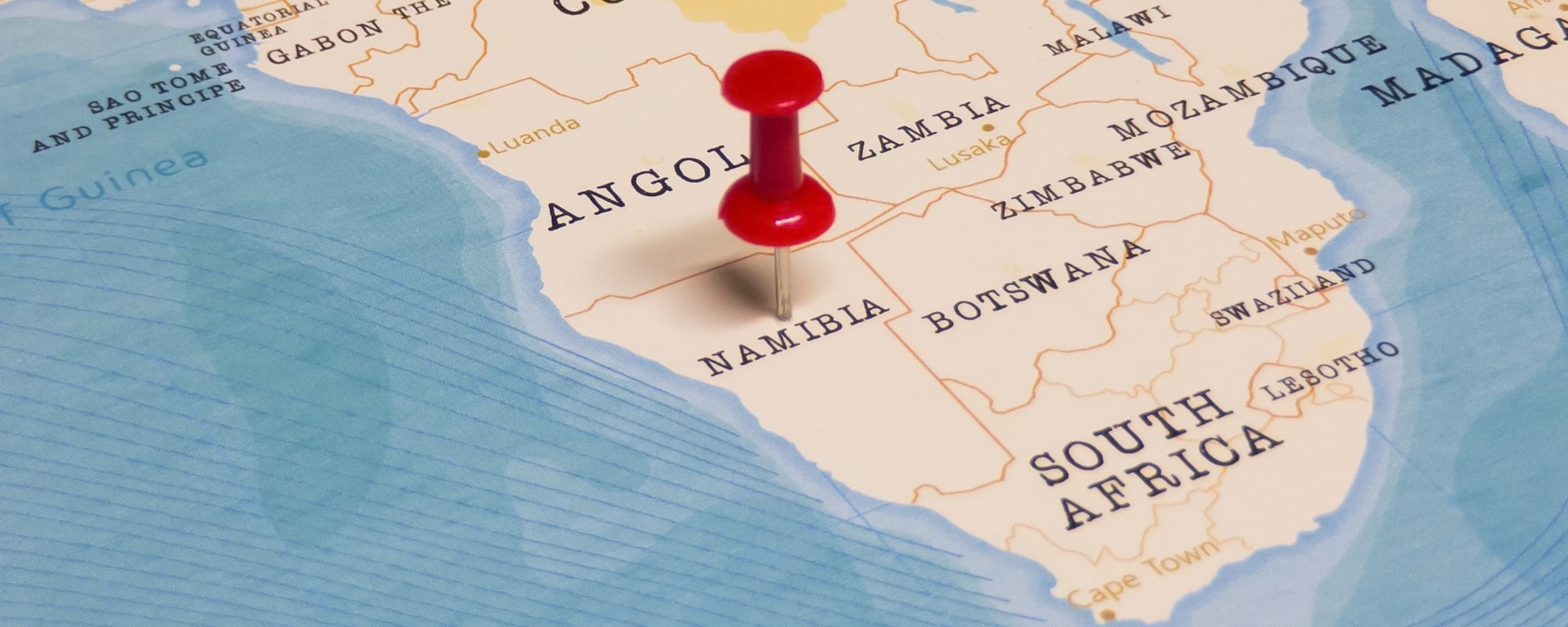
Visas
- Check if you require to enter the country at the Namibian Ministry of Home Affairs: https://www.worldtravelguide.net/guides/africa/namibia/passport-visa/
- Applications for visas can be made in advance at the nearest embassy or consulate or on arrival at a port of entry. If you are concerned that your visa may not be granted, please apply for one in advance. Please see here for application requirements: https://visaguide.world/africa/namibia-visa/
Currency and Foreign Exchange
- Namibia’s currency is the Namibian dollar (NAD).
- If possible, always use banks or official bureaus de change to exchange currency. Local traders may not give you the best possible exchange rate. Banks and bureaux de change can be found at international airports and major shopping malls in Windhoek.
Credit Cards and ATMs / Cash Points
- Diners Club and Amex are not widely accepted or may attract additional fees. Please bring an alternative card if possible.
- Some establishments may levy a surcharge on credit-card payments but this is not usual.
- Please inform your bank that you will be travelling to Namibia so that your card is not blocked when you try to use it.
- ATMs / cash points are widely available in airports, malls and banks in major cities.
Tipping
- Gratuities are never mandatory but are always gratefully received. The average employed person supports up to seven other people so tips that supplement their incomes are very welcome.
- Guides can be tipped in cash at the end of your time with them. We suggest NAD200 per day per person as a guideline.
- Lodge staff are generally tipped via a box in the reception area at the end of your time there or given to the manager in front of other staff by saying that the gratuity is for everyone. We suggest NAD200 per person per day. It is not usual to leave money for housekeeping in your room outside city hotels.
- For restaurants, add 10% of the total bill as a gratuity – more if you feel the service warrants it.
General Costs
- Your consultant will break down all costs that are covered by your itinerary and those that aren’t. Generally, extras include souvenirs, premium wines and spirits, activities not included, meals not included and personal expenses.
- Eating out in Namibia is generally affordable but please note that wines, imported beers and international spirits can be more expensive.
Insurance
- Please ensure you have comprehensive medical and travel insurance to cover all eventualities, including evacuation and CFAR (cancel for any reason) coverage (if possible).
Vaccinations
- No mandatory vaccinations are needed to enter Namibia.
Safety
- All the global safety standards apply: watch your belongings, be aware of your surroundings and keep to well-lit, main areas.
- On safari, always obey any instructions from guides, rangers or lodge staff.
- Do not try to attract wild animals’ attention under any circumstances, leave the vehicle without permission, or walk and swim in areas that are out of bounds.
Plug Points and Power
The main plug types in Namibia are C (two round pins), D (three round pins in a triangle shape), M and N.
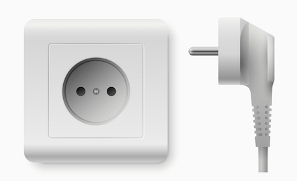
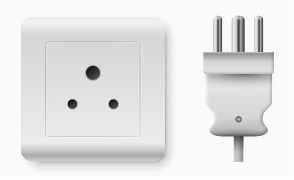
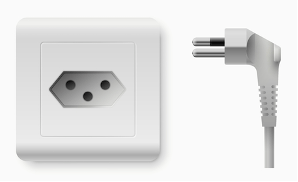
- Some lodges and camps have international plug adapters but it is best to bring your own.
- The voltage is 230V and the frequency is 50Hz so be sure to check that your appliances are compliant – you may need to bring a voltage converter.
- Many lodges have solar power and the staff will inform you when this is available and what appliances it can run. Charging phones and camera batteries is straightforward but running hairdryers and CPAP machines can be problematic so please chat to your consultant.
- While tents have lighting, it can sometimes be dim. A headlamp is a great addition and helpful when packing luggage or checking documentation.
What to Pack
It is not necessary to buy specialist safari gear. Your luggage limit is 15kg / 33lb in a soft bag.
- Choose the colours of nature: greys, greens, browns and khakis. Avoid bright colours like red and yellow; avoid whites and blacks as they provide too much contrast against the bush.
- Choose natural fibres.
- Long-sleeved shirts and trousers protect you from the sun, insects and thorns.
- Closed shoes, sunglasses, sunscreen and a cap or hat are highly recommended.
- Early mornings and late evenings can be cold so bring fingerless gloves, a scarf, beanie and jacket.
- Rural Namibians are modest: avoid revealing large expanses between your knees and shoulders as these are considered private areas. Cover up after leaving the pool and walking to your room.
- As far as possible, bring eco-friendly toiletries.
- Bring extras of necessities like contact lenses, medications and reading glasses.
- At lodges that are solar powered, hairdryers can generally not be used.
- Aim to be comfortable and dress in layers.
- Avoid hard shell suitcases, strong perfumes and expensive jewellery.
- Bring extra underwear as often these items are not accepted by the lodge laundry service (see note below). When you have two nights at a lodge or camp, turn in your laundry on your first day so it has the full second day to be laundered and dry.
Cultural Norms
Namibians in the hospitality industry are generally helpful, friendly and cheerful people.
- It is normal to greet and enquire about the person’s wellbeing before launching into a question or complaint. Politeness and a sense of humour are prized.
- Washing powder will often be provided in your room: this is for cleaning your own underwear. Cultural norms mean that you will rinse out your own intimate items. Generally, all other items will be laundered, often for free.
- Be mindful when passing through villages. Ask permission before photographing people, buildings or homes, and respect children or the elderly. Ask yourself whether you would like a stranger photographing your children without permission, outside your home.
- It is illegal to photograph police stations, border points, airports, military buildings, government buildings or soldiers and other officials.
- Please do not bring candy, sweets or balloons to give to children. Dental care is limited and plastic is harmful to the environment. Contributions via the lodge or Pack For A Purpose are always appreciated!
Weather and Climate
Namibia’s seasons are reversed to the northern hemisphere’s: summer runs from about November to March and winter from about May to August. It has summer rainfall and dry winters.
Desert areas can be very cold at night and very hot during the day so dress in layers.
Coastal areas along the Atlantic Ocean can be foggy and damp.
| Minimum | Maximum | |
| Summer (Nov to March) | 20°C / 68°F | 40°C / 104°F |
| Winter (May to August) | 6°C / 43°F | 22°C / 72°F |
Why book with Biggestleaf Travel

We Sell What We Love: We are genuinely passionate about African travel and safaris. Every itinerary we design is shaped by first-hand knowledge, personal experience and a deep respect for the destinations we represent. It is company policy that our consultants experience the destinations and lodges they sell, giving them practical insight into the areas, logistics and overall journey.
Your Financial Security Comes First: We mitigate financial risk by being accredited members of ASATA, SATSA and ATTA, ensuring your funds are handled responsibly and in line with industry best practice. You book with confidence, knowing your investment is protected. For more detail, please visit our Why Book With Us page.
Transparent, Independent Reviews: Our reputation is verified through open, independent reviews on Trustpilot, Google and TripAdvisor — real feedback from real travellers, with nothing hidden. Please visit our Reviews page for more information.
Tailor-Made – Not Template – Trips: No two travellers are the same. Every journey we create is fully personalised and customised, designed around your interests, pace and expectations. This may take longer to organise but it means our clients get an unforgettable experience.
Established, Stable & Experienced: Founded in 2014, we are proud that we still have our first consultants working with us today. This continuity reflects the strength of our team culture, depth of experience and the long-term relationships we build with our staff, clients and safari partners.
Responsible Travel & Carbon Offsetting: We believe in protecting Africa’s wild places for generations to come. As part of our commitment to responsible travel, we offset our travellers’ carbon footprint through bed-night calculations, and fully offset all kilometres driven by our vehicles through verified carbon credits. Every journey therefore contributes to conservation, climate responsibility and the long-term sustainability of the destinations we love. Visit our Sustainable Travel page for more information.