Best time to go to South Africa
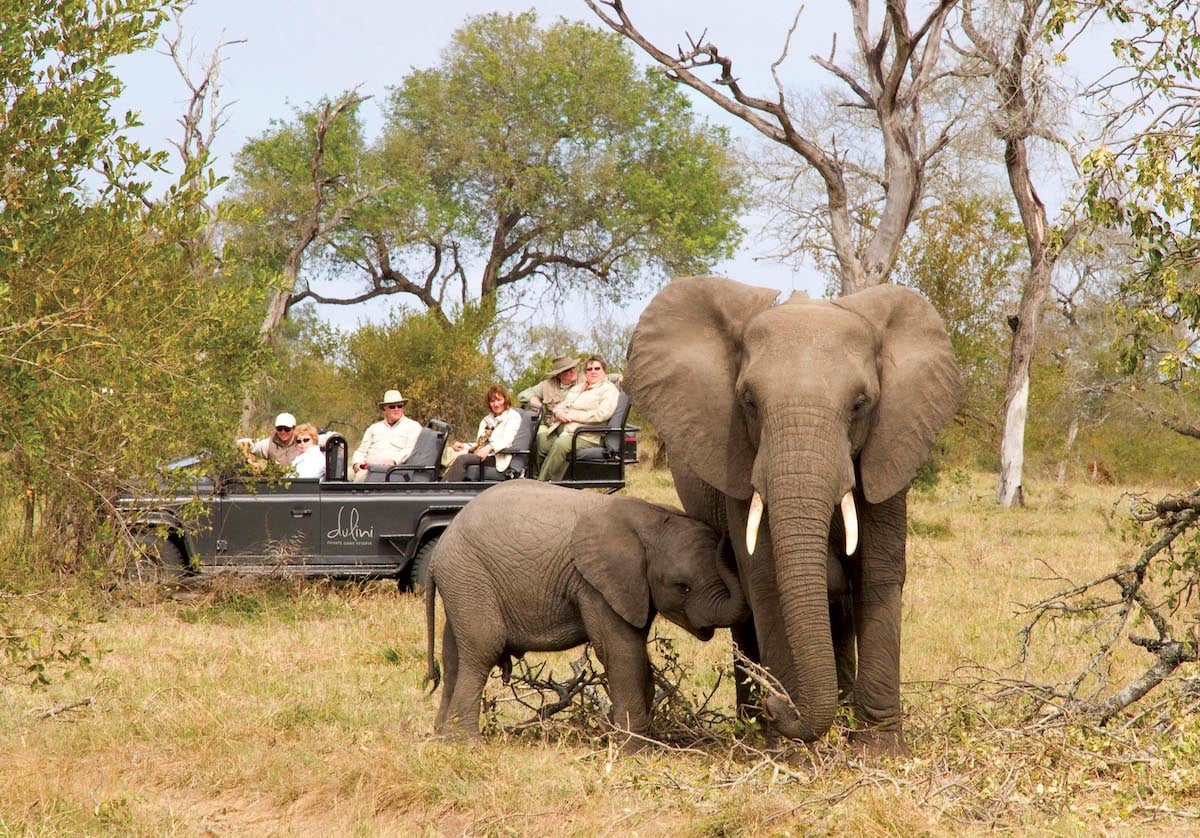
South Africa is one of the world’s most diverse countries with everything from sub-tropical landscapes on a warm ocean to semi-desert environments on the cold Atlantic. In between are mountains, sandy beaches, forests, winelands and some of the best-known wildlife reserves in Africa. Vibrant cities give way to stunning rural areas and the weather can range from light snow to extremely hot sunshine.
There is no one best time to see and do it all because Cape Town and the main safari areas have totally different seasonal climates. South Africa’s winter falls at midyear when Cape Town is rainy and places like the Kruger National Park are dry. Then, at the turn of the year when summer arrives, rain comes to Big 5 areas like Madikwe and Pilanesberg, while Cape Town and the Winelands bask in cloudless days. The Garden Route throws a further curveball because it doesn’t have a true wet and dry season.
Luckily, the Biggestleaf Travel team is based in South Africa and has travelled the length and breadth of this exciting country. We’ve collated all our experience so you can choose the best time to visit based on your interests and budget.
May to OctoberDry peak safari season while Cape Town has rainy winters
Accommodation and activities
- Even though it can be chilly, it is still worth visiting Cape Town if you’re on safari as the city will have low visitor numbers and excellent rates and availability.
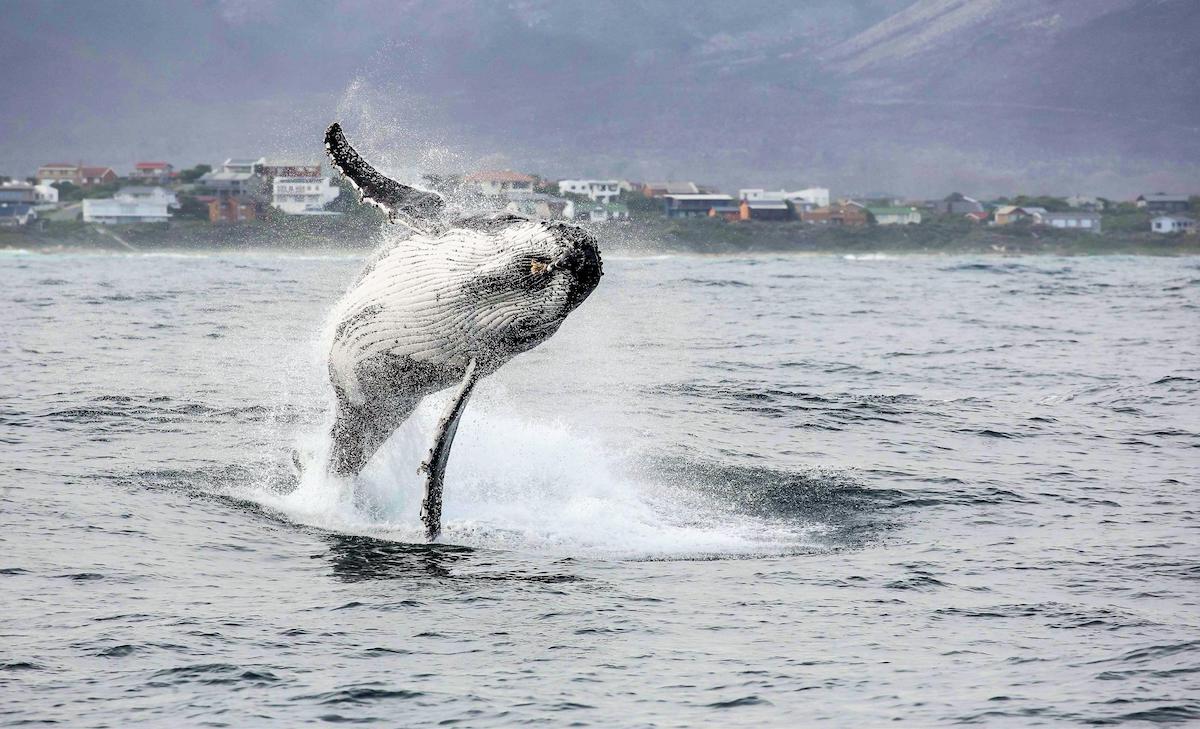
- This is the best time for both land-based and boat-based whale watching, especially off the coast of Hermanus, about two hours from Cape Town. Sightings are generally reliable and Biggestleaf Travel only contracts with ethical contractors.
- South African schools have a holiday in July and many national parks and reserves are busy with local travellers at this time. We strongly suggest booking as early as possible should you wish to visit in July.
- Cooler weather makes better conditions for conservation work like rhino dehorning and collaring as the animals are under less stress than in the heat. If you would like to participate in an activity like this, then it is likely to be scheduled for winter. Private reserves allow limited guest participation and observation to raise funds to mitigate the huge expense of this crucial work.
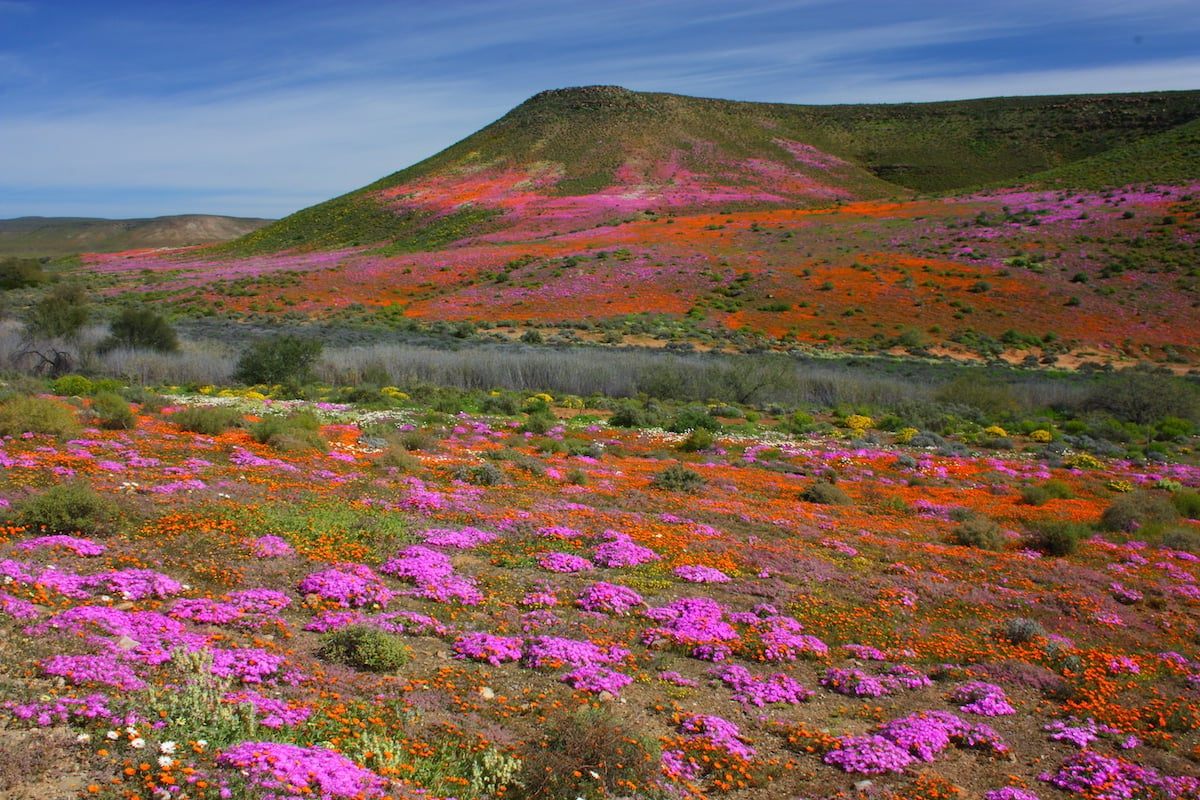
- From some time in August to September, the areas around Cape Town are awash with the first spring flowers. Depending on the combination of rain and warm days, Namaqualand and the Western Coast are ablaze with vast stretches of purple, orange, yellow and white flowers. We have favourite beach resorts that offer wonderful tours of flower areas and access to good restaurants and sandy beaches.
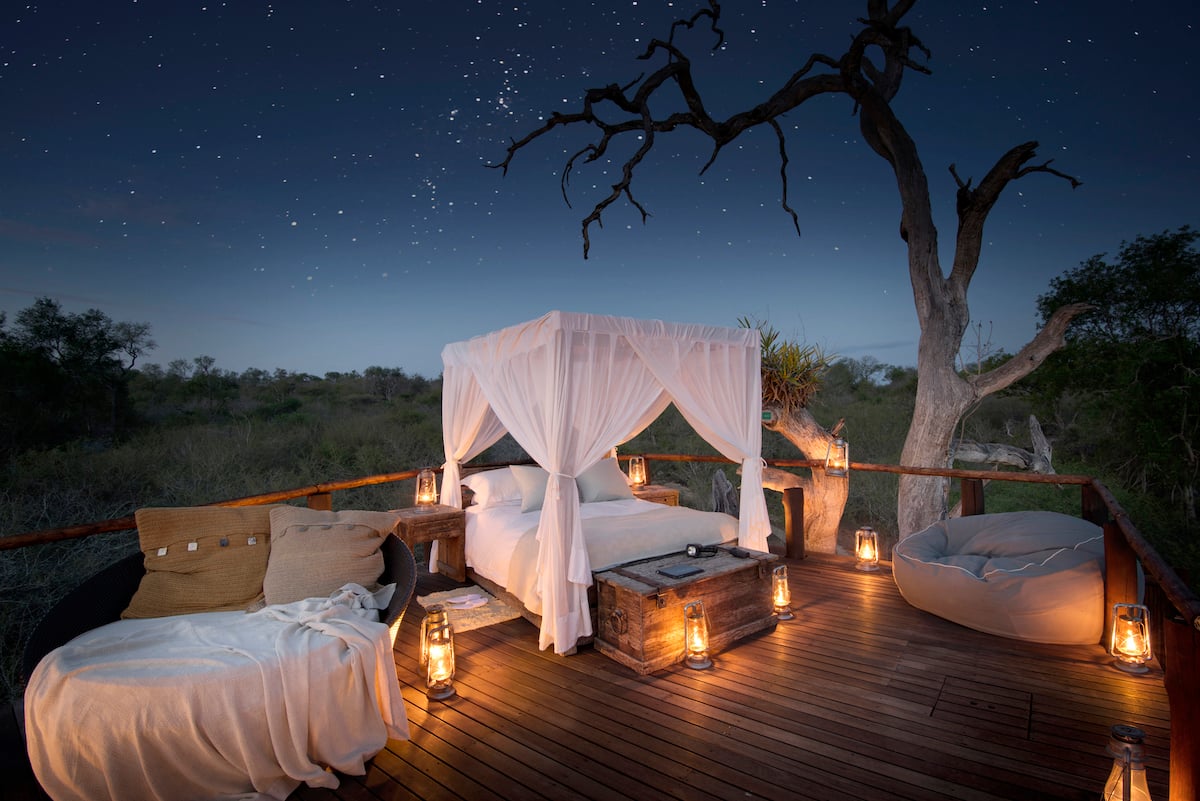
- Since there is little to no rainfall in the major safari areas, this is the best time of year for sleepouts, walking safaris, star beds and even fly camping. Nights will be cold but the lodge staff will ensure you are snug and cozy.
Weather
- Cape Town and the Winelands experience a cold, wet winter from about May to September. Some high-lying areas might even experience light snow that generally melts fairly quickly.
- Safari areas such as Greater Kruger tend to have cooler mornings and nights with sunny days.
- In Johannesburg, overnight temperatures in July can hit below freezing, making for morning frost. We always suggest that our clients pack gloves, scarves and beanies as early morning game drives in areas such as Madikwe and Pilanesberg can be cold.
Wildlife
- Safari areas to the north such as Greater Kruger, Madikwe and Pilanesberg are very popular as dry conditions mean less dense vegetation and less water. Animals are easier to see and find, especially when they don’t move too far from waterholes.
- Northern Kruger around Pafuri and the Makuleke Concession is an ideal place to spot species not often seen in the south of the park such as Sharpe’s grysbok, eland, nyala and yellow-spotted rock hyrax (dassie).
- Southern right and some humpback whales start arriving off the southern Cape coast. Walker Bay off Hermanus is a favourite breeding and feeding ground with numbers peaking in July and August with calving often continuing into September.
- The first of about a hundred species of migratory birds start arriving in South Africa from the north. For steppe eagles, curlew sandpipers, European rollers and bee-eaters, woodland kingfishers and red-chested cuckoos, this is a great place to refuel before the long journey back.
- Between May and July, one of the world’s greatest ‘feeding events’ takes place off the Wild Coast to the KwaZulu-Natal coast along the Indian Ocean. The Sardine Run sees dolphins, whales and seabirds take advantage of about a billion sardines. Mega shoals are known to be kilometres long. This is an incredible marine spectacle.
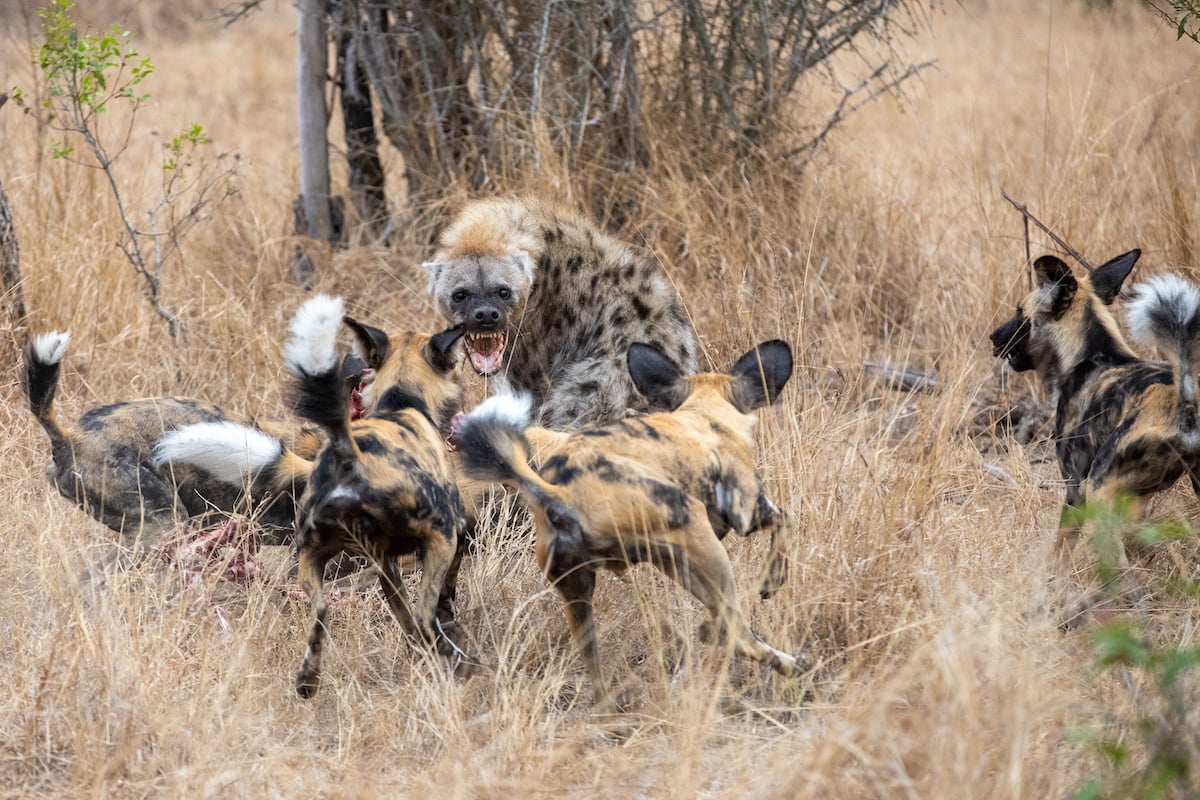
- Wild dogs tend to den between May and August so may not be as easy to see. Responsible guides will not venture too close to known den sites and the dogs will be very protective of their vulnerable newborn pups. Puppies could be seen from September or October, depending on how the pack moves and what the alpha male and female decide.
- Winter marks the breeding season for eagles in the Drakensberg, particularly the endangered bearded vulture. The Drakensberg (‘Dragon’s Mountains’ in the Afrikaans language) can be snowy at this time of year so allow us to arrange your accommodation and transfers to ensure comfort and safety.
- About six months after the springbok rut, calves are born in October and November. Springbok exist in arid areas such as the Kalahari and the Kgalagadi Transfrontier Park, a massive conservation area of 38 000 hectares / 94 000 acres. By this time of year, the first rains should have arrived to replenish grazing and water supplies so females can successfully suckle their young from four months to a year. Newborn springbok are seldom seen as their mothers hide them from predators in thick growth.
November to AprilRainy safari season while Cape Town has a dry, hot summer
Accommodation and activities
- The ‘festive season’ starts from mid-December and runs to mid-January, encompassing South African school holidays as well as several public holidays such as Christmas, Boxing Day and New Year. In South Africa, Mondays are also holidays if the public holiday falls on a Sunday. If you want to travel during this time, be sure to contact us well in advance so we can arrange accommodation for you as there is very limited availability.
- National parks, game reserves, beaches and cities such as Cape Town are all very busy over the Easter school holidays. Again, be sure to let us make arrangements well in advance so you secure first choice of accommodation.
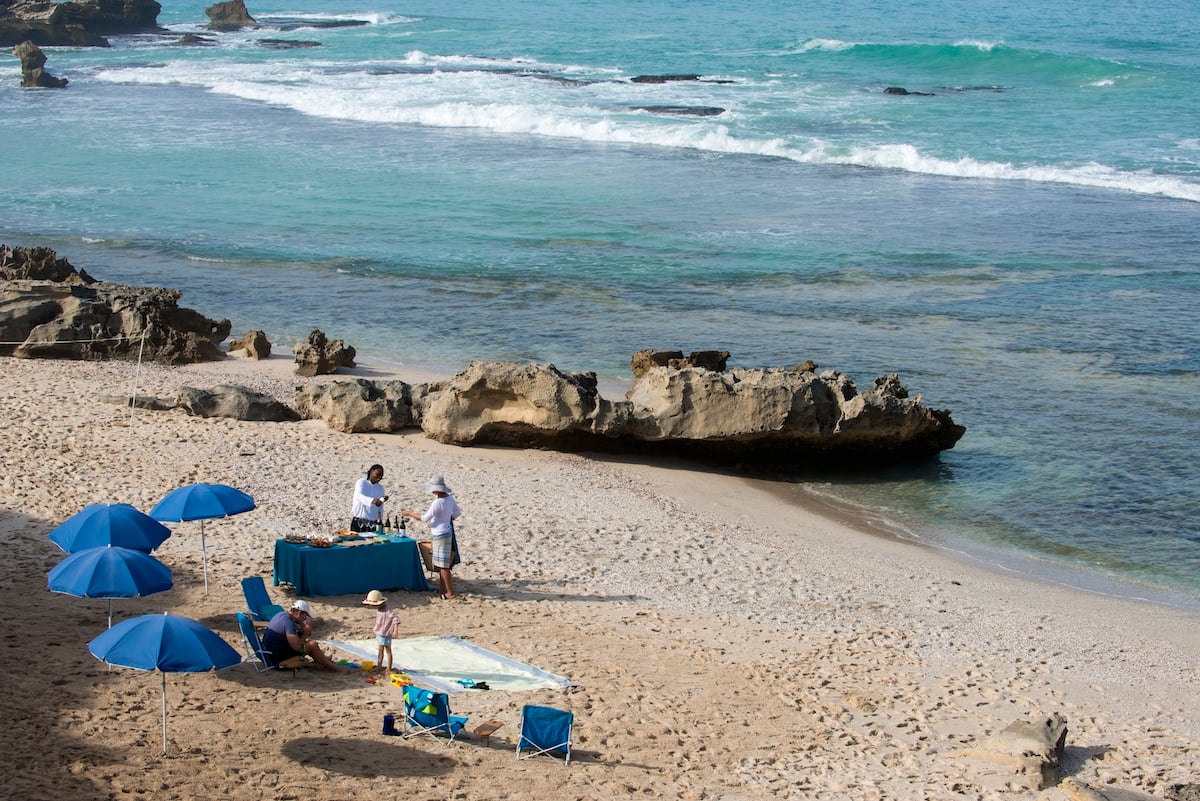
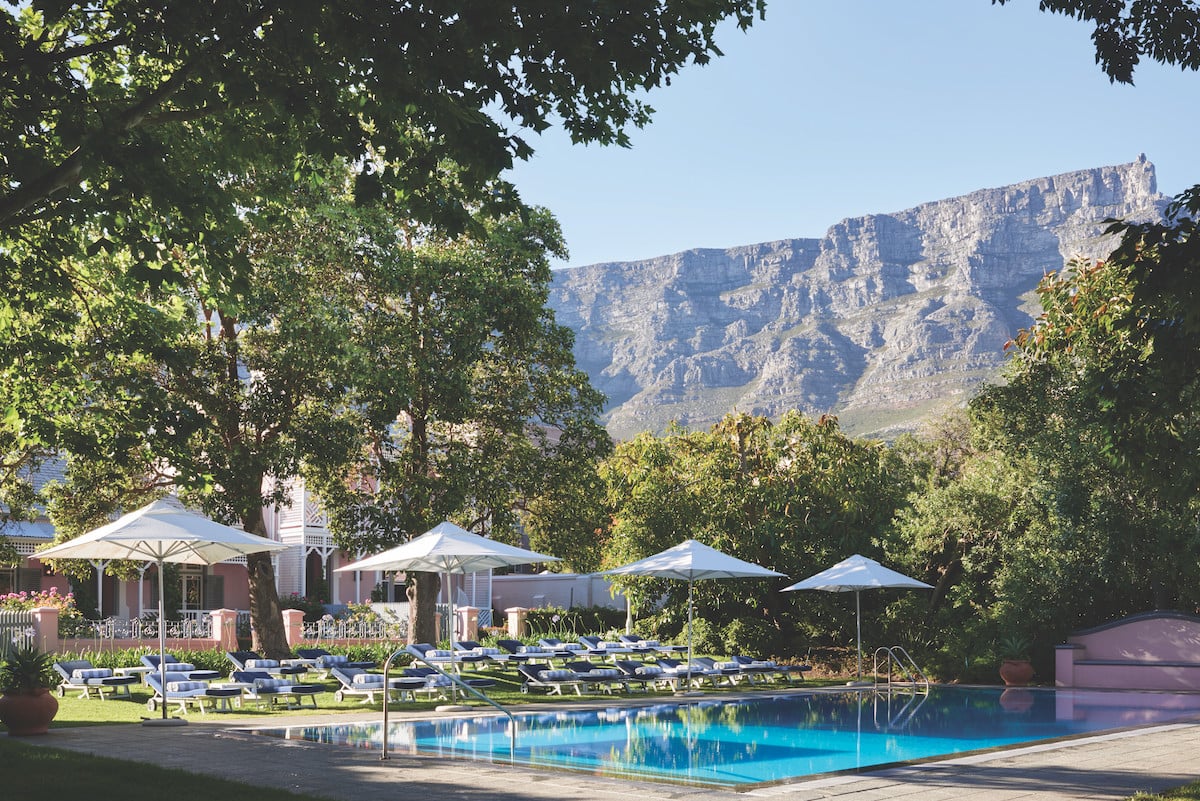
- The whole country experiences a hot summer so we select lodges, camps and hotels that have air conditioning and swimming pools so our clients remain comfortable.
- Cape Town is extremely busy at this time of year. It is a major holiday destination for South African families over Christmas and New Year as well as being the site for several major events and festivals. We urge all our clients to book as early as possible for a Cape Town summer holiday.
- The Southeaster wind around Cape Town creates near-perfect kitesurfing and windsurfing conditions at hotspots such as Langebaan and Bloubergstrand (‘Blue Mountain Beach’ in the Afrikaans language, taken from the view of Table Mountain over Table Bay).
Weather
- Areas such as Greater Kruger, Madikwe, Pilanesberg and Welgevonden generally receive rain from about November. Most summer rain takes the form of short late-afternoon thundershowers.
- Cape Town’s winter and spring rains will subside, making way for a hot, dry summer with February temperatures often hitting 40°C / 104°F.
- Cape Town has a famous wind called ‘The Southeaster’ that can gust strongly over the summer months. Certain parts of the city are more protected from it than others so we consider this when placing our clients in hotels.
- In other areas such as the Garden Route, Eastern Cape and KwaZulu-Natal, you can expect rain showers between sunny days. KwaZulu-Natal has a sub-tropical climate where humidity can be very high.
Wildlife
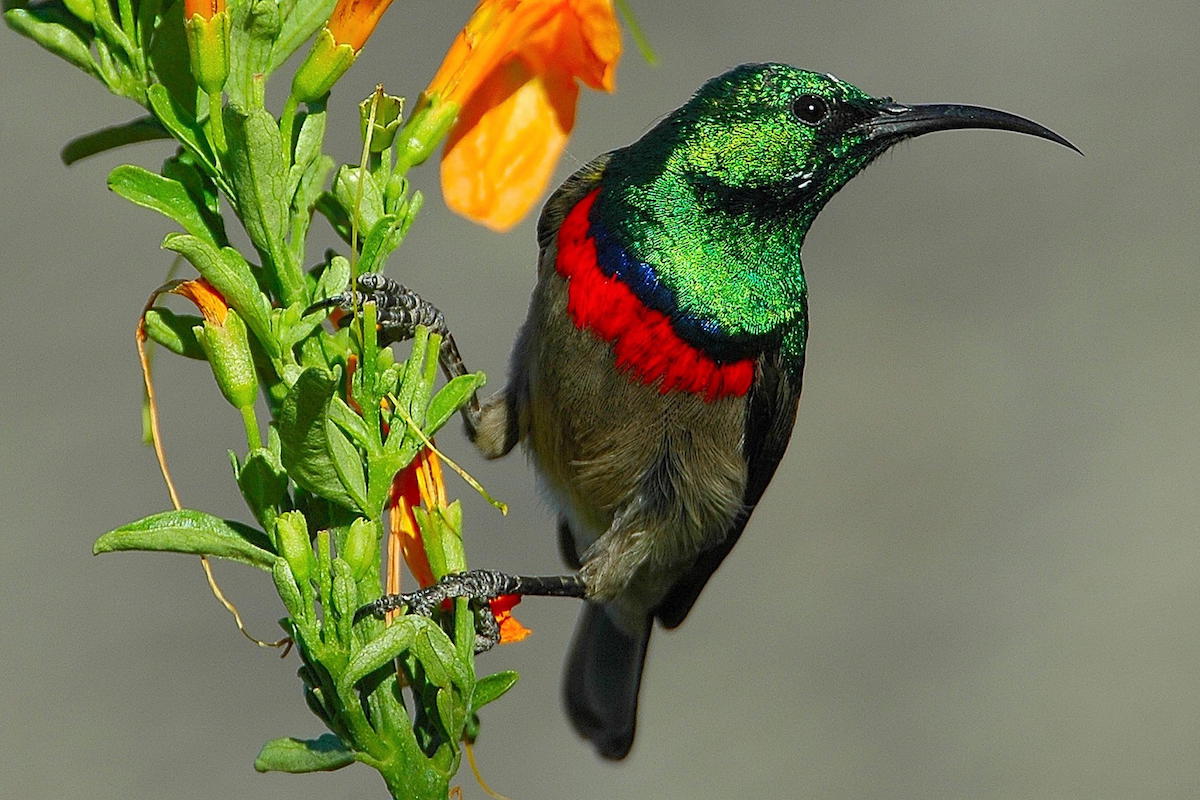
- Birding is at its best as South Africa is the last stop for intra-African and international migrants. Summer rains result in plentiful food in the form of insects and even frogs.
- The Pafuri area and Makuleke Concession in northern Kruger is a Ramsar site and ideal for seeing species such as three-banded coursers, racket-tailed rollers and Böhm’s spinetail.
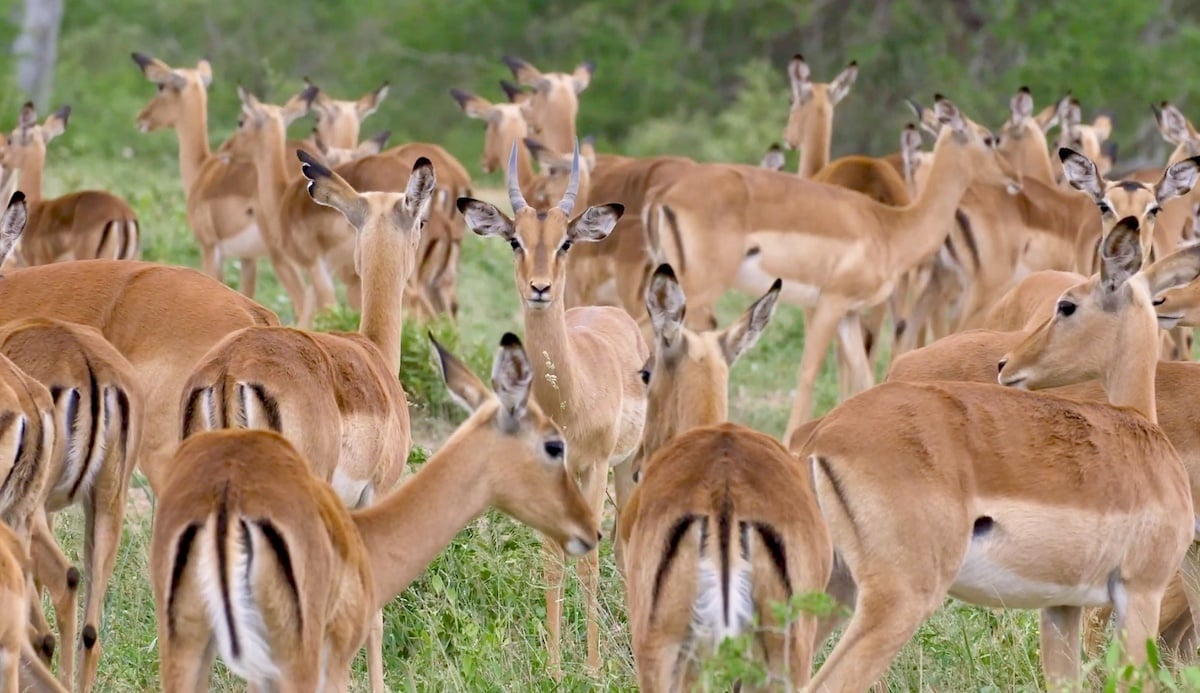
- Across safari areas, impala will drop their young in synchronized birthing at some point in November or December around the first rains. This floods predators with an overwhelming number of ‘targets’, ensuring more calves survive.
- In KwaZulu-Natal, keen birders are on the lookout for purple-crested and Livingstone’s turaco, green twinspots and grey waxbills.
- It may be easier to see packs of wild dogs with their pups as the annual midyear denning season will have ended.
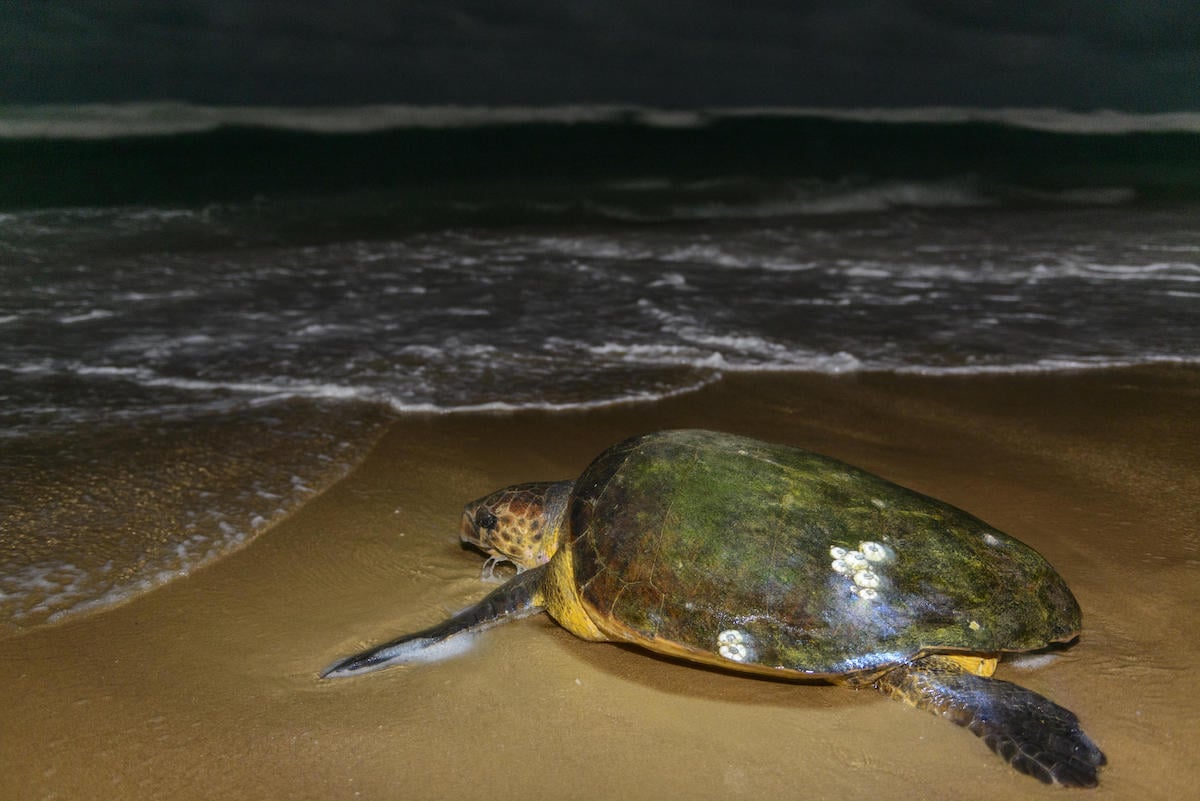
- The KwaZulu-Natal Maputaland coast has loggerhead and leatherback turtle sites around iSimangaliso Wetland Park, Sodwana Bay and Kosi Bay. Nesting occurs from November to February, with egg laying peaking in January and February. Hatching occurs between January and March, depending on when laying happened.
- March to April is the best time of year to see the springbok rut: rams fight for territory and even engage in ritual displays ‘attacking’ vegetation as well as dung and urine marking to secure their areas. The clashing of horns wins them the right to mate with females in their harem but this is seldom fatal.
March to May and September to NovemberShoulder seasons over autumn and spring with low visitor numbers
Accommodation and activities
- Some lodges and camps may offer lower shoulder season rates.
- The Easter school holidays are a popular time for local families to travel so please contact us in advance to ensure your first choice of accommodation.
Weather
- March to May is autumn across South Africa. Essentially, the rains end in the bush and start in Cape Town.
- September to November is spring: the rains end in Cape Town and start across the rest of the country.
Wildlife
- In autumn, animals start being easier to see as the vegetation starts thinning out. Migrant birds, however, may be leaving for warmer climates.
- In spring, the first rains generally make the bush jump back to life. This means denser foliage, which can make the game harder to spot. The rain also rejuvenates springs and natural waterholes, as well as leaving puddles, meaning animals disperse away from known water sources as they are no longer reliant on permanent rivers or pumped dams.
Why book with Biggestleaf Travel

We Sell What We Love: We are genuinely passionate about African travel and safaris. Every itinerary we design is shaped by first-hand knowledge, personal experience and a deep respect for the destinations we represent. It is company policy that our consultants experience the destinations and lodges they sell, giving them practical insight into the areas, logistics and overall journey.
Your Financial Security Comes First: We mitigate financial risk by being accredited members of ASATA, SATSA and ATTA, ensuring your funds are handled responsibly and in line with industry best practice. You book with confidence, knowing your investment is protected. For more detail, please visit our Why Book With Us page.
Transparent, Independent Reviews: Our reputation is verified through open, independent reviews on Trustpilot, Google and TripAdvisor — real feedback from real travellers, with nothing hidden. Please visit our Reviews page for more information.
Tailor-Made – Not Template – Trips: No two travellers are the same. Every journey we create is fully personalised and customised, designed around your interests, pace and expectations. This may take longer to organise but it means our clients get an unforgettable experience.
Established, Stable & Experienced: Founded in 2014, we are proud that we still have our first consultants working with us today. This continuity reflects the strength of our team culture, depth of experience and the long-term relationships we build with our staff, clients and safari partners.
Responsible Travel & Carbon Offsetting: We believe in protecting Africa’s wild places for generations to come. As part of our commitment to responsible travel, we offset our travellers’ carbon footprint through bed-night calculations, and fully offset all kilometres driven by our vehicles through verified carbon credits. Every journey therefore contributes to conservation, climate responsibility and the long-term sustainability of the destinations we love. Visit our Sustainable Travel page for more information.