Best time to go to Zambia
Zambia is one of the few remaining safari destinations with a true off-season. While across most of Africa many camps and lodges remain open all year round, in parts of Zambia this is simply not possible due to rainfall, road conditions and overall accessibility. That makes planning your Zambian safari a bit trickier. Fortunately, we have considerable experience and have visited the national parks many times so we understand how the different seasons work and what each has to offer.
There are essentially three seasons in Zambia, each affecting wildlife and your experience differently:
December to AprilHot, rainy summer
Accommodation and activities
- Many lodges and camps close for a portion or all of this time as wide-spread black-cotton soil makes roads impassable for all but very heavy-duty vehicles.
- There are few visitors at the camps and lodges that are open, making this an excellent time to visit if you want privacy or exclusivity.
- Rates are at their lowest for camps that are open so we can often arrange excellent green season deals for you.
- More remote destinations like northern Kafue, Kasanka and Bangweulu are not generally accessible and accommodation here is usually closed.
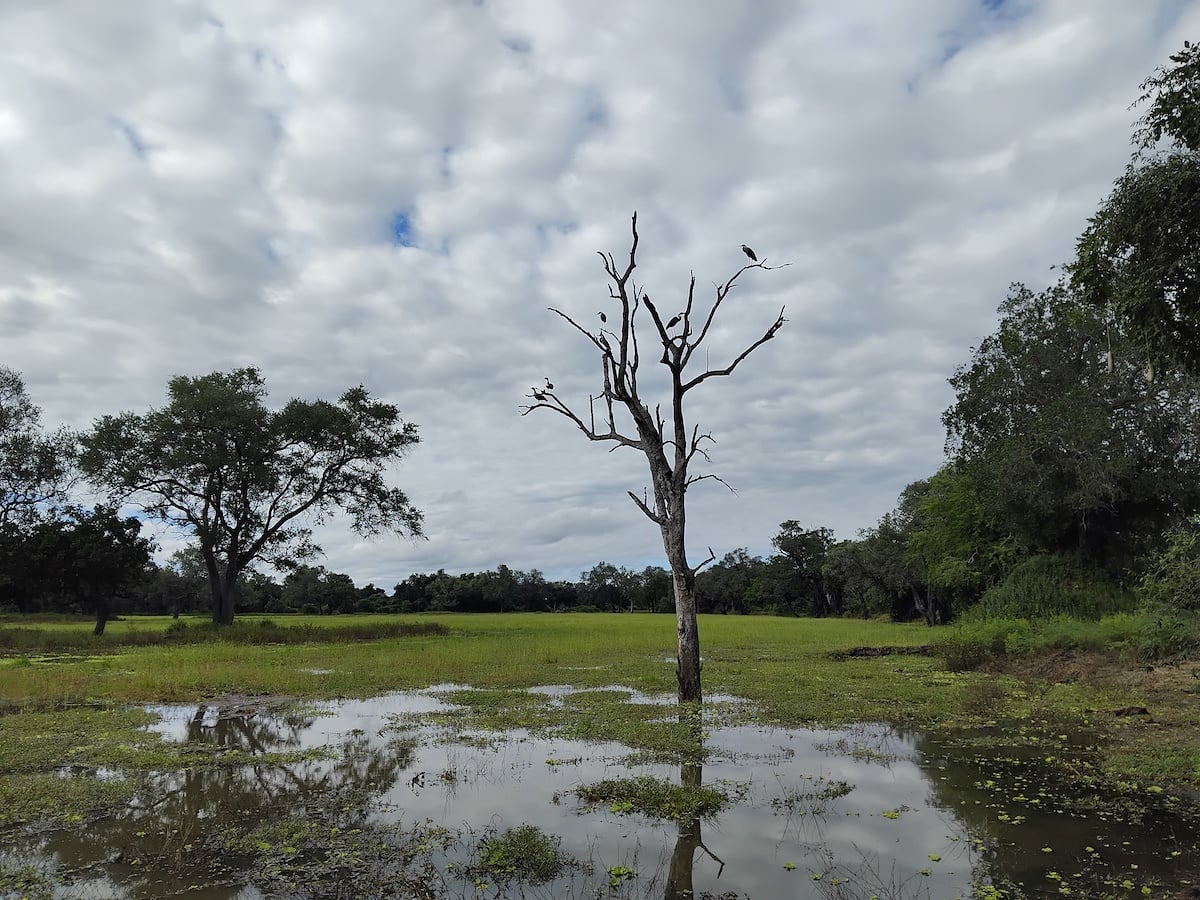
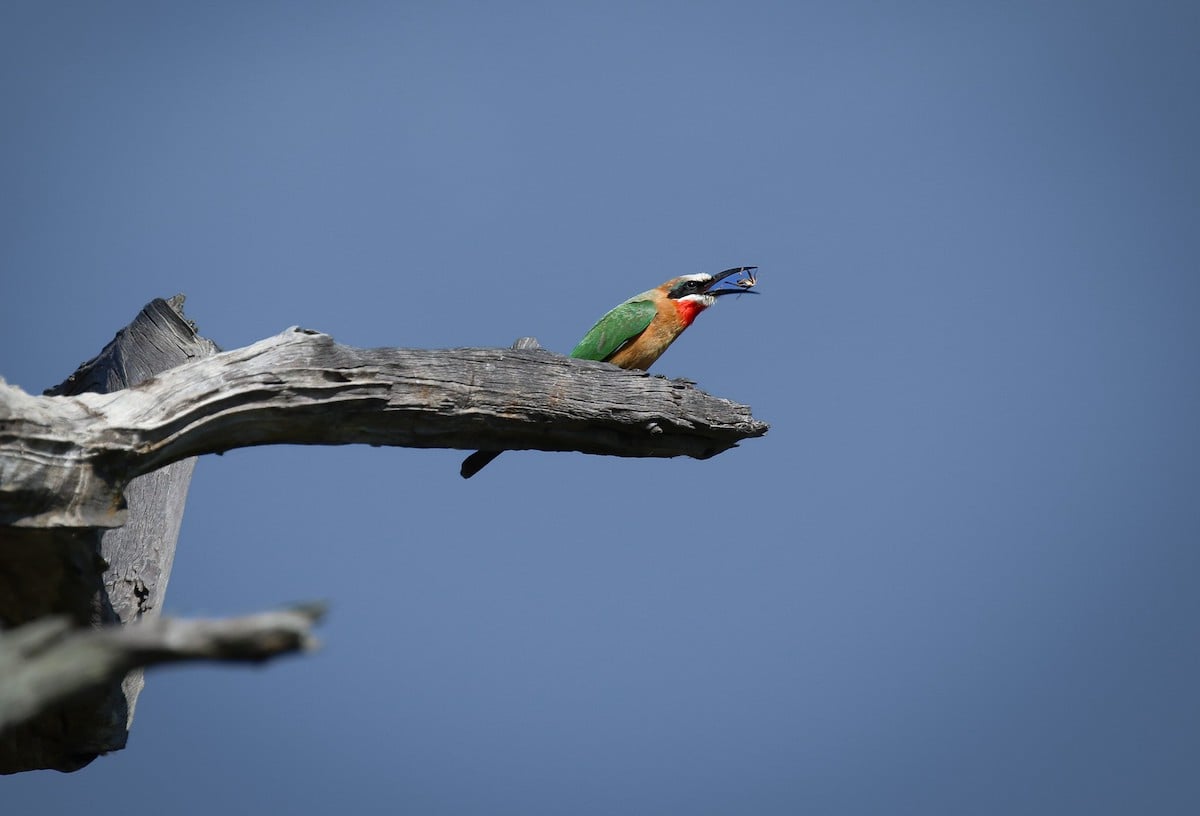
- This is peak season for birders as all the migrant species are around.
Logistics
- Untarred airstrips may be too wet to land light aircraft hence accommodation closures.
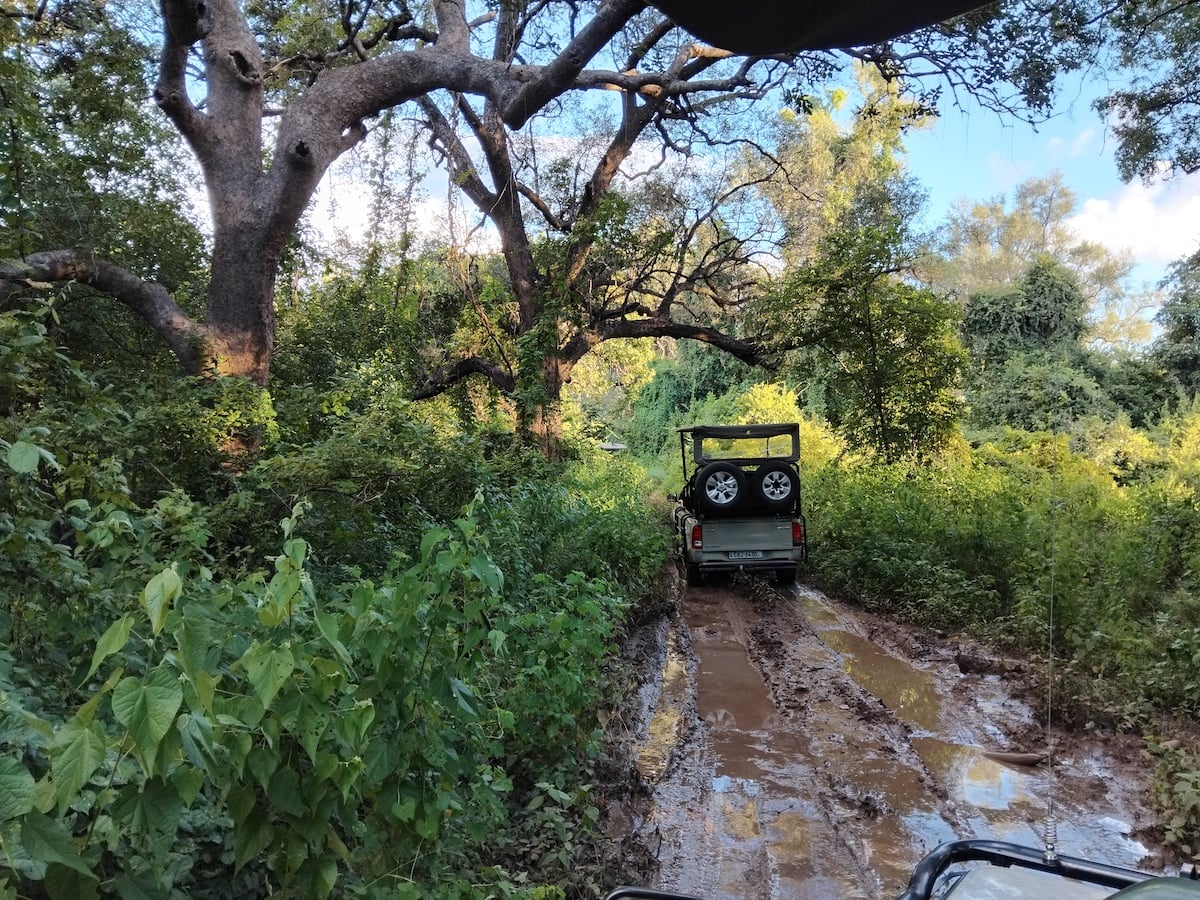
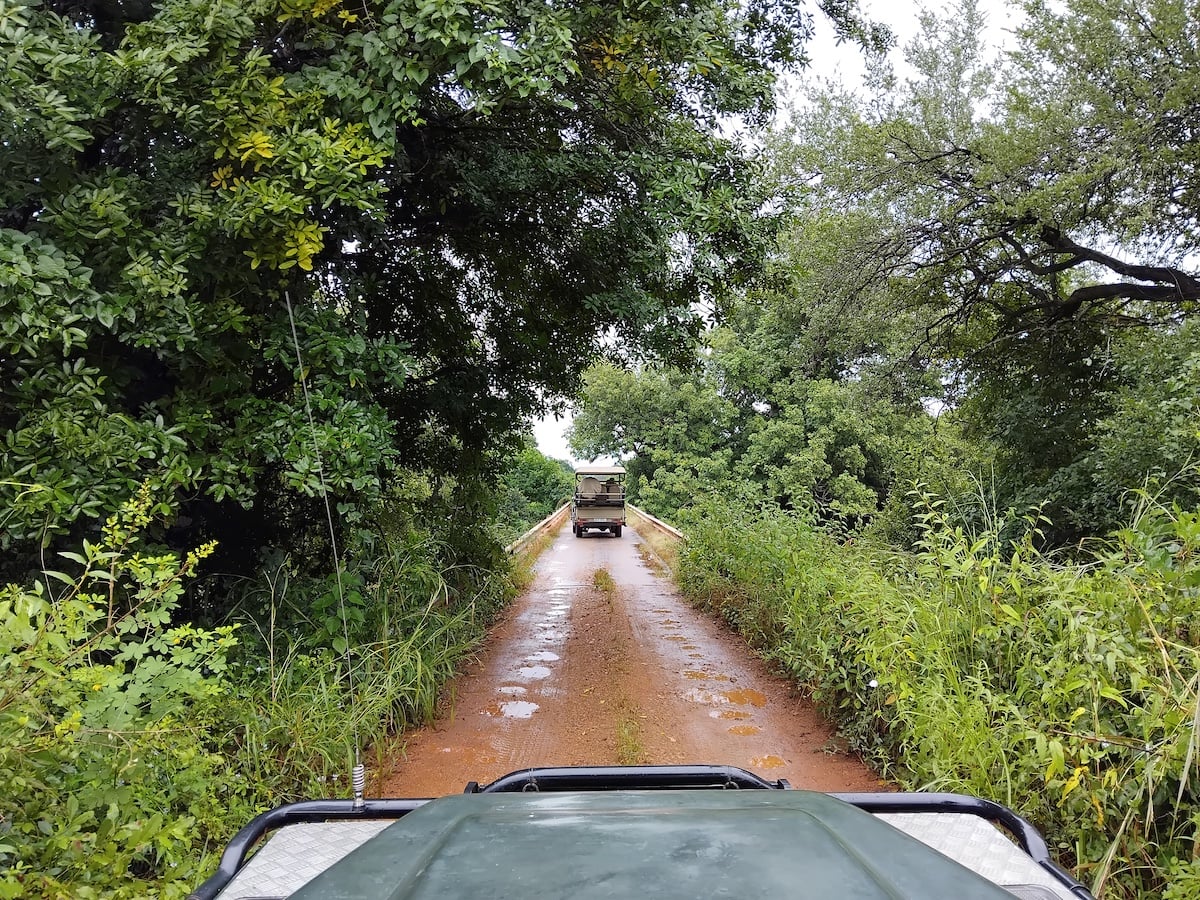
- Roads may be very muddy and some routes will be closed. This means you may not be able to explore all of the park. But there is less traffic and you are more likely to have sightings to yourself.
- Regional travel is very high over the Easter religious holiday so we take that into account when planning your trip.
- Some airline routes may not be available as they are operational only for peak season between about June and October.
- Towards the end of the season, talented artisans start rebuilding classic bushcamps from scratch using grass, reeds and traditional techniques. At more permanent lodges, maintenance staff will be grading roads, mending bridges, and rethatching and repainting lodges where necessary.
Weather
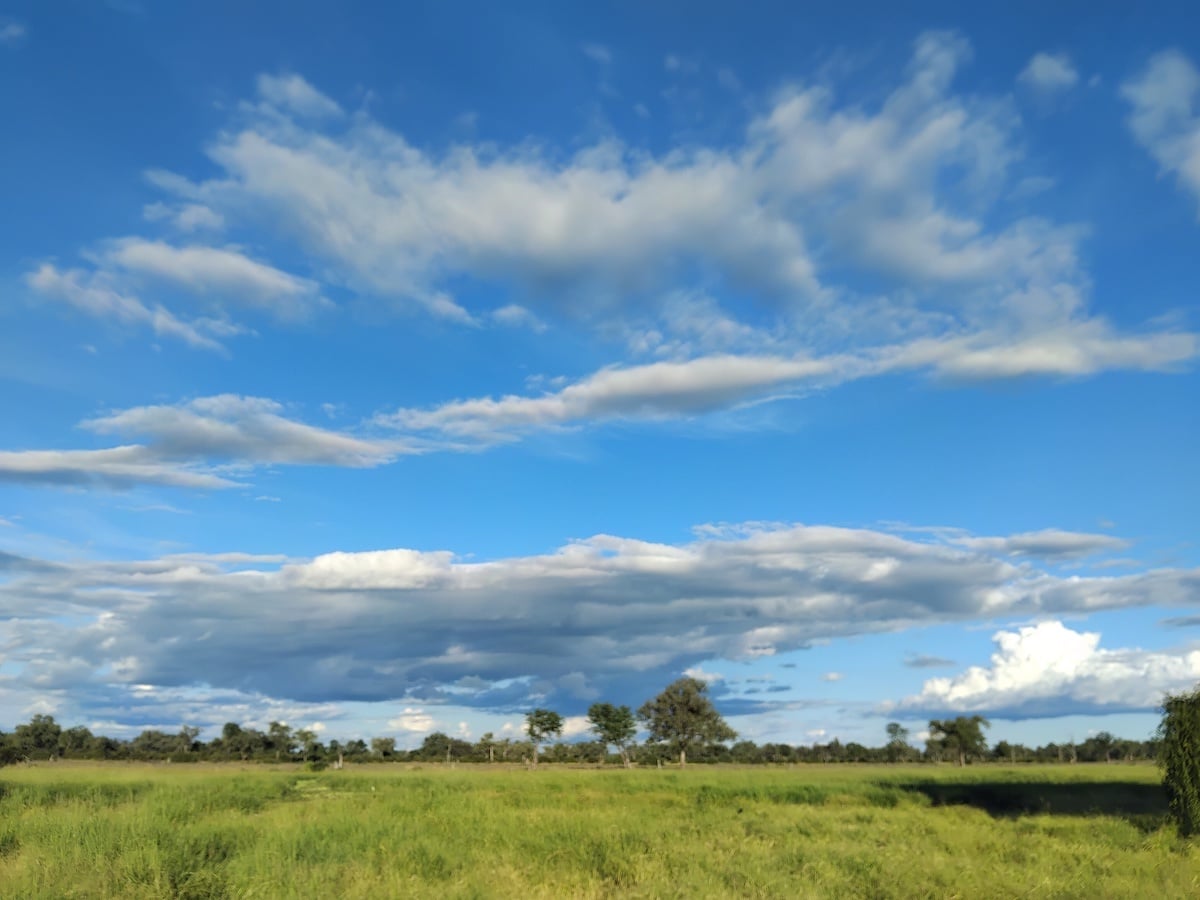
- Rain tends to take the shape of short-lived afternoon thundershowers that build up over the course of the day.
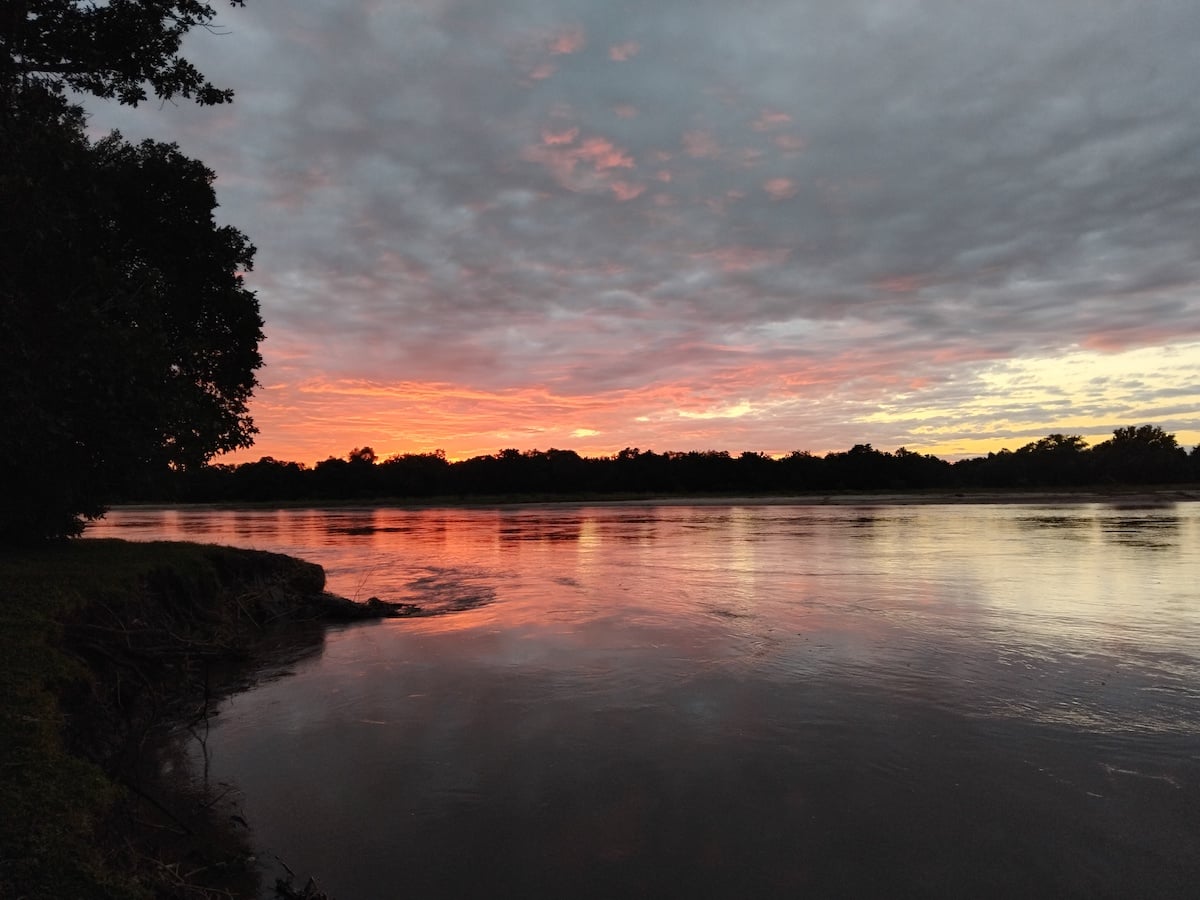
- Look out for stunning cloudscapes, beautiful sunsets and dazzling lightning.
- Photographers love this time of year as the rain washes the air clear of dust and the wildlife stands out against the bright green foliage.
- The humidity will be very high: we will choose lodges with swimming pools, fans and even air conditioning where possible.
- Maximum daytime temperatures will be around 35°C / 95°F. Rainy or overcast days can, however, be much cooler especially on early morning game drives so be sure to take a jacket and trousers.
Victoria Falls
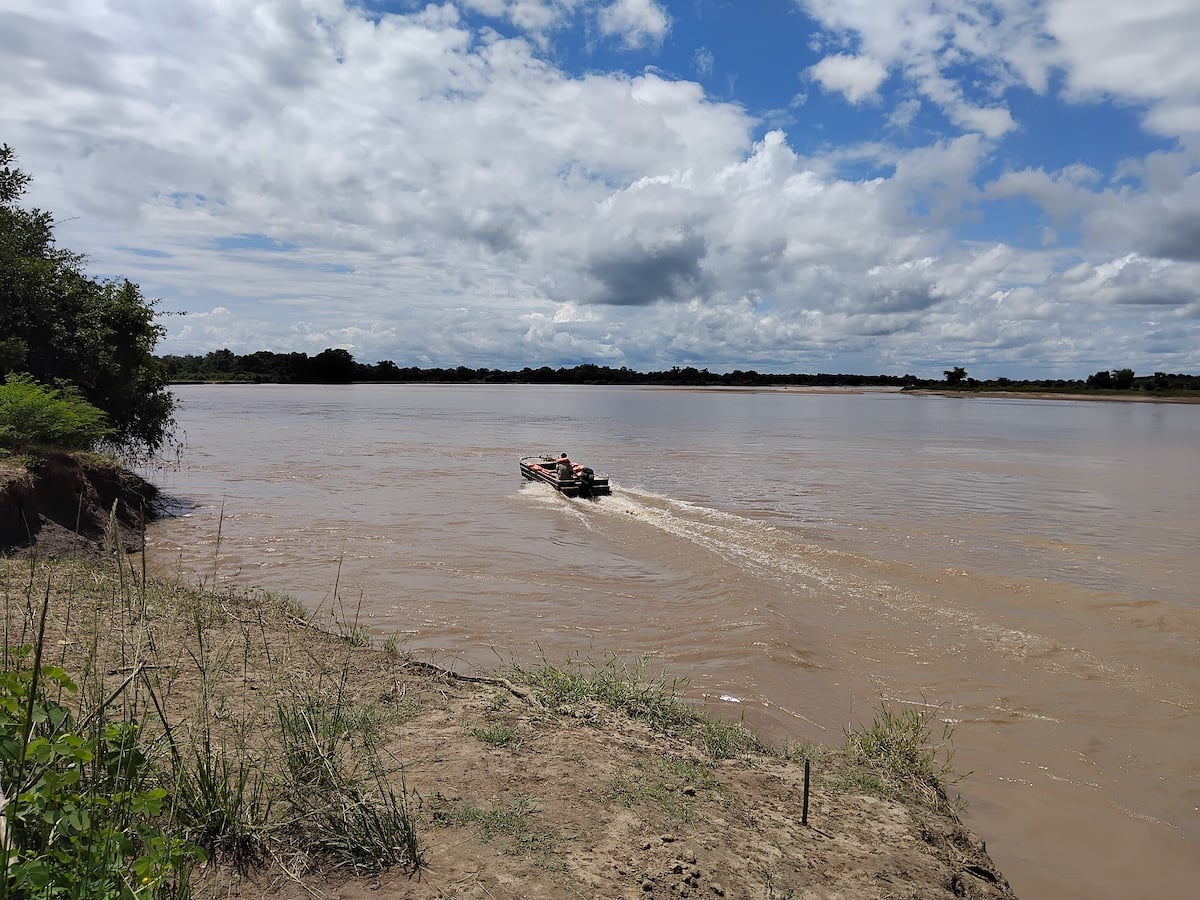
- The Victoria Falls starts flowing more strongly as rains over the Angolan Highlands swell the Zambezi river. The Falls usually reach their apogee in about March and April.
Wildlife
- All the migrant bird species will have arrived from the cold northern hemisphere so birders have a field day.
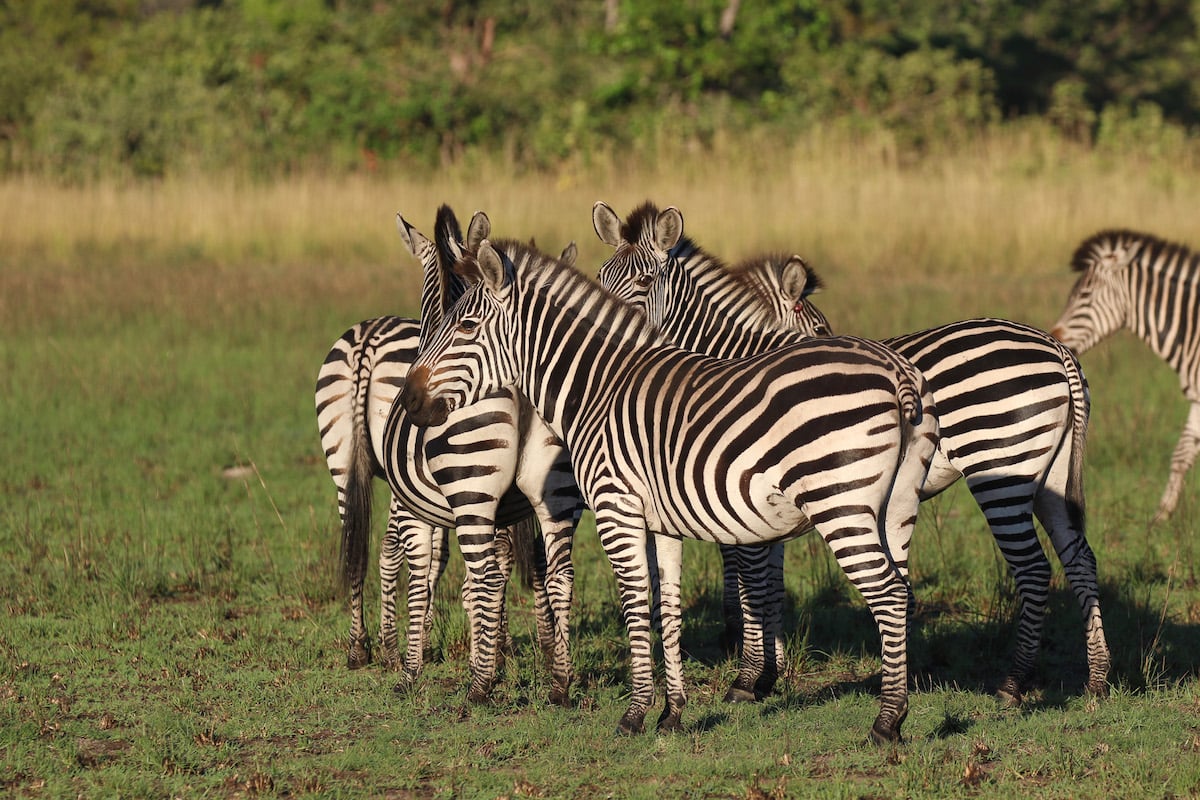
- Terrestrial wildlife will be harder to find and see as the plentiful water means that they don’t depend on known rivers. The dense foliage makes them trickier to spot but it is incredibly exciting when you do.
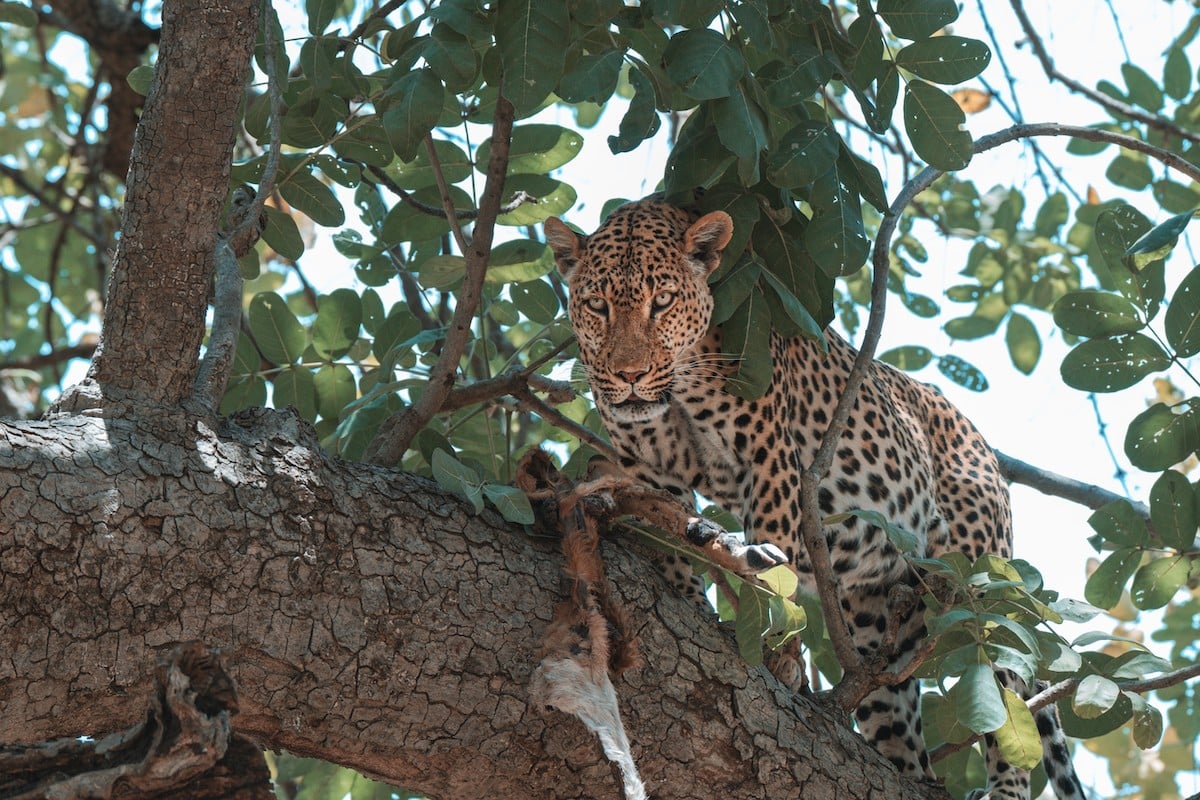
- Impala drop their young en masse after the first rains make the grass spring to life so they have enough grazing. This is a bittersweet time as predators – including large raptors – take advantage of a plethora of baby impala.
- Insect life is at its peak now, providing nutrition for birds, frogs, fish, bats, aardvarks, chameleons and other insectivorous species. Bring insect repellant.
May to AugustCool dry season
Accommodation and activities
- This shoulder season marks the opening of all but the most remote or difficult-to-get-to camps.
- Excellent rates can still sometimes be had: we made it our mission to secure these for our clients.
- Boating is usually in full swing, depending on the state of the Zambezi and Kafue rivers. The Luangwa river is too mercurial for water activities.
- Walking safaris kick off. Zambia and especially South Luangwa is the home of top-class walking safaris: the dry ground and low grass make for safer conditions as the guides and rangers can spot potential danger ahead.
- Remote areas like northern Kafue, Bangweulu and Kasanka become easier to reach as the landscape dries out. Bangweulu is of particular interest to birders as a shoebill stronghold.
- North Luangwa National Park – home to a rare group of rhino – opens up.
- Fly camps and sleepouts open as the dry nights make sleeping outside under just a mosquito net more comfortable.
Weather
- Zambia’s mid-year winter is marked by the end of the rainy season. For a few weeks, the bush will still be very dense but it will gradually thin out.
- Daytime temperatures hit a minimum of 25°C / 77°F.
- Humidity will not be as high as previous months and nights will be cooler.
Victoria Falls
- The Victoria Falls will be busy as travellers merge it with their safari plans. The water levels will be slackening as the dry season wears on.
- Special places like Devil’s Pool and Livingstone Island open up once the Zambezi’s levels drop. It is important to book these activities – like swimming in Devil’s Pool or having high tea on the island – in advance. We provide this service to our clients.
Wildlife
- The gradual thinning out of the vegetation and drying up of minor water sources means animals start being much easier to find and see.
- Migrant bird species will not be around as they enjoy the northern hemisphere summer.
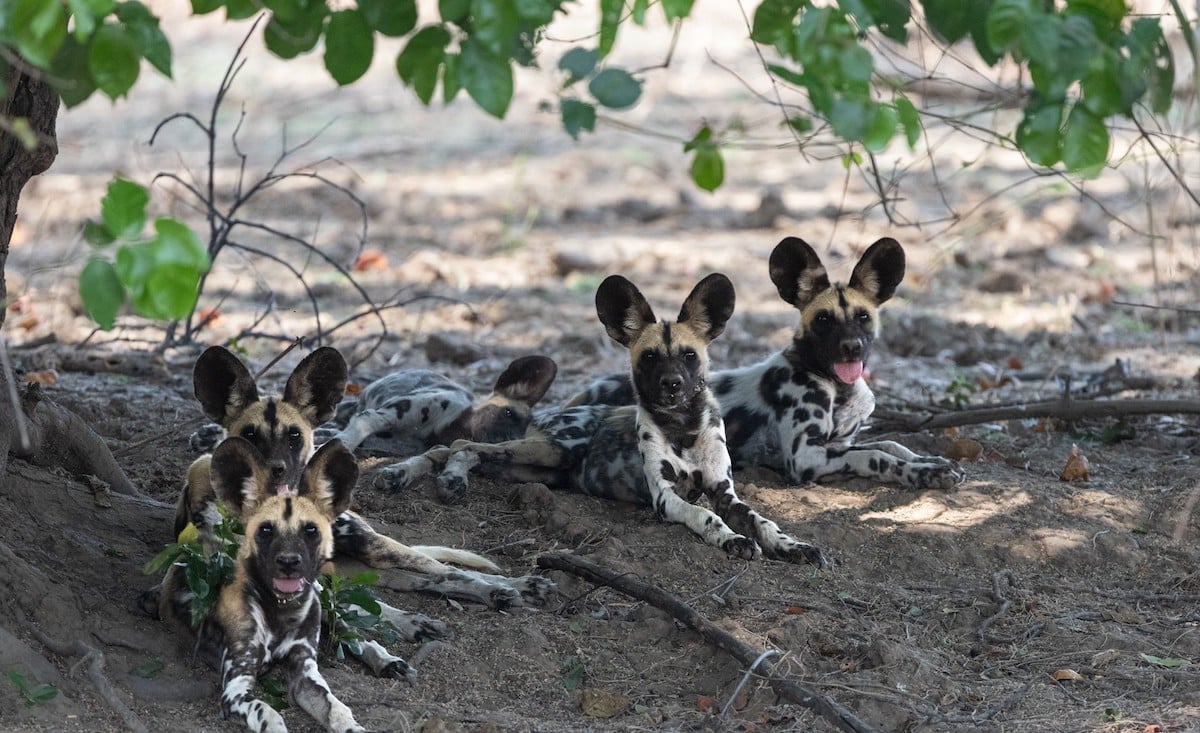
- The one species that might be tricky to spot is wild dogs as packs tend to den with their pups between May and August. You might, however, get very lucky and see new puppies once they leave their den.
- Another exciting event is the impala rut: males will compete for breeding rights with female harems between April and June. The clash of horns is a spine-tingling sound!
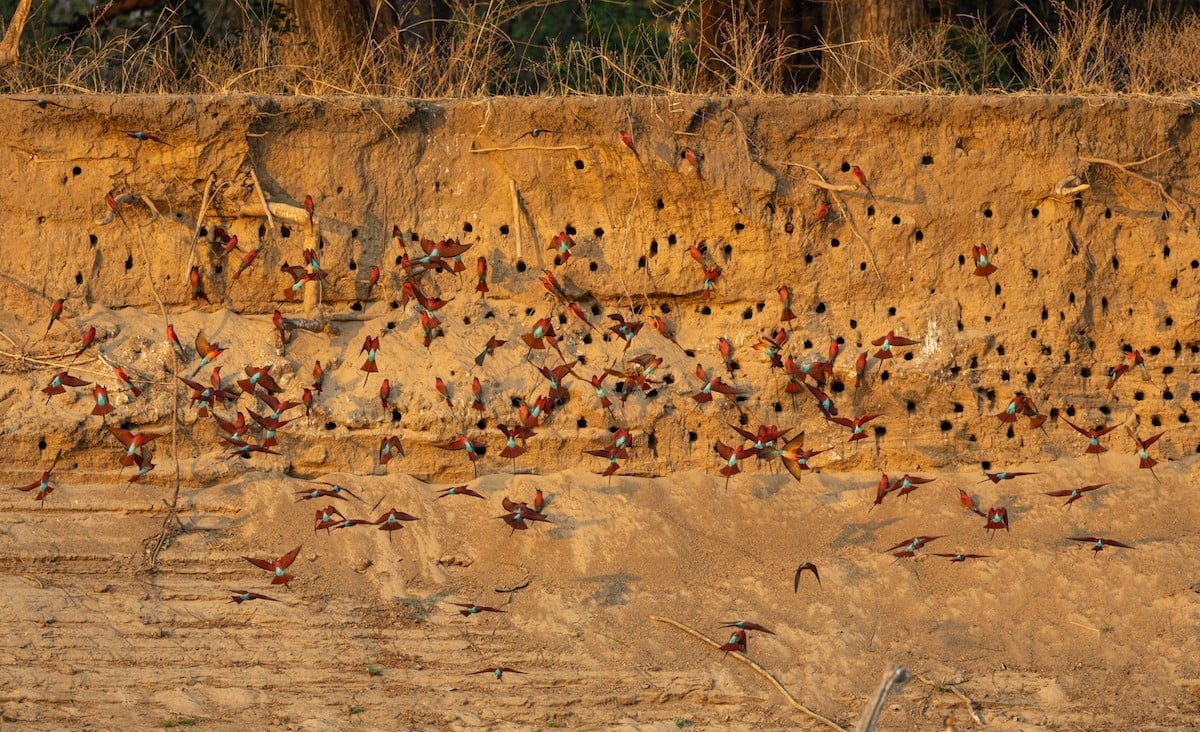
- By late August, the first carmine bee-eaters should be arriving in South Luangwa: these crimson birds drill tunnels into dry riversides, emerging in a flourish of scarlet.
September to NovemberHot dry season
Accommodation and activities
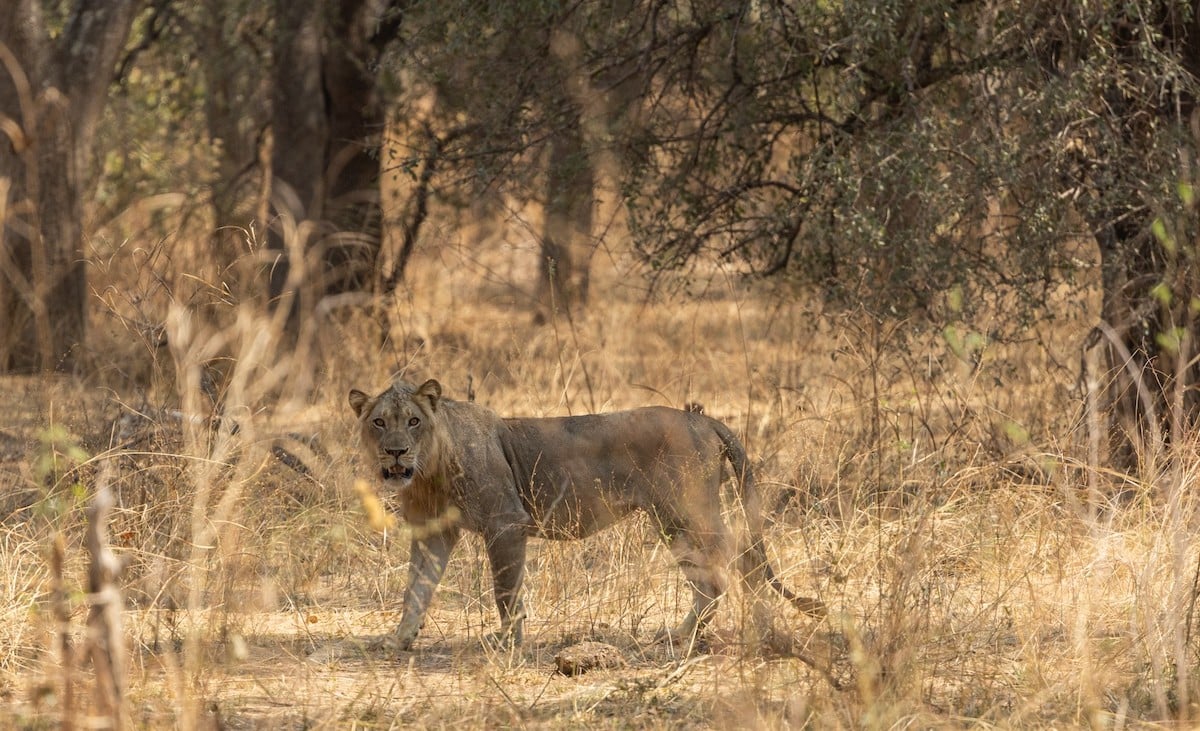
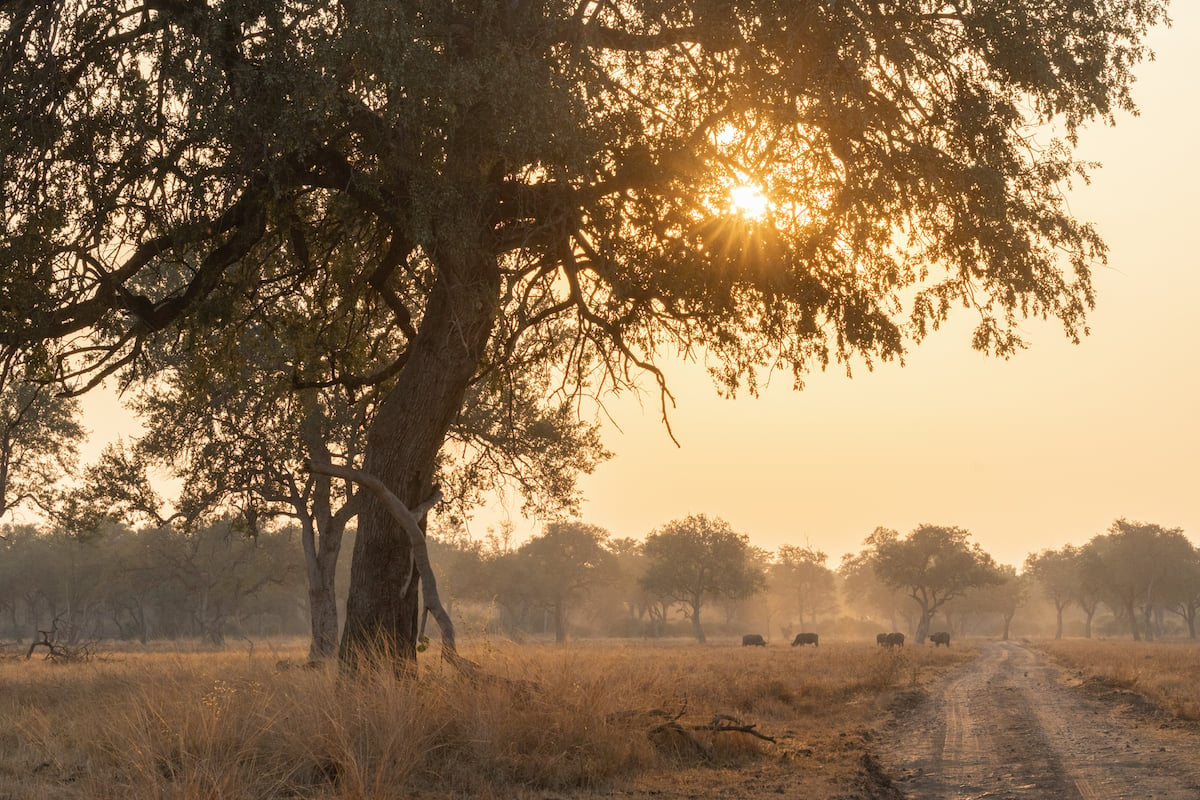
- The most popular time for safaris as the lack of water and foliage makes the game easiest to find. Animals do not move far from remaining sources of water and predators will often ambush prey at water holes.
- Photographers often use the dusty conditions to create highly atmospheric images.
- Walking safaris take place in the cooler times of day with siestas during the hot afternoons.
- Boating and canoeing may not be possible if river levels have dropped too much.
Weather
- October is the hottest month of the year with days frequently topping 40°C / 104°F.
- Some rain may fall in November as the dry season ends and spring arrives.
Victoria Falls
- The Victoria Falls is at its lowest with stretches of the Zambian side being bare rock.
- Low-water season is the most popular time for white-water rafting.
Wildlife
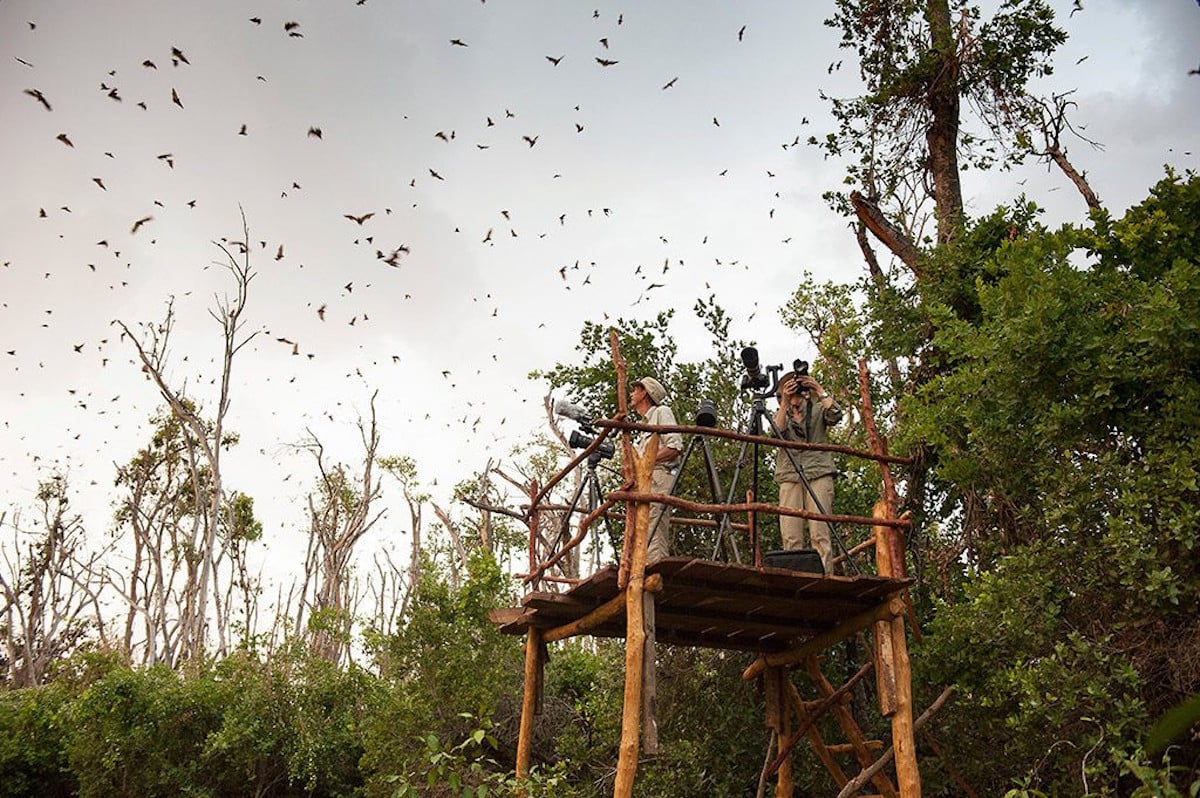
- A major highlight is an annual event: every year in November, millions of fruit bats arrive to feast at Kasanka National Park. Admirers clamber up wooden platforms to marvel at them leaving their roosts at sunset and returning at sunrise.
- As water levels drop, there may be clashes between male hippos to defend their territories.
- Buffalo, which are heavily water dependent, tend to mass on riverbanks and often fall prey to waiting crocodiles. Lions also often ambush buffalo as they drink.
Why book with Biggestleaf Travel

We Sell What We Love: We are genuinely passionate about African travel and safaris. Every itinerary we design is shaped by first-hand knowledge, personal experience and a deep respect for the destinations we represent. It is company policy that our consultants experience the destinations and lodges they sell, giving them practical insight into the areas, logistics and overall journey.
Your Financial Security Comes First: We mitigate financial risk by being accredited members of ASATA, SATSA and ATTA, ensuring your funds are handled responsibly and in line with industry best practice. You book with confidence, knowing your investment is protected. For more detail, please visit our Why Book With Us page.
Transparent, Independent Reviews: Our reputation is verified through open, independent reviews on Trustpilot, Google and TripAdvisor — real feedback from real travellers, with nothing hidden. Please visit our Reviews page for more information.
Tailor-Made – Not Template – Trips: No two travellers are the same. Every journey we create is fully personalised and customised, designed around your interests, pace and expectations. This may take longer to organise but it means our clients get an unforgettable experience.
Established, Stable & Experienced: Founded in 2014, we are proud that we still have our first consultants working with us today. This continuity reflects the strength of our team culture, depth of experience and the long-term relationships we build with our staff, clients and safari partners.
Responsible Travel & Carbon Offsetting: We believe in protecting Africa’s wild places for generations to come. As part of our commitment to responsible travel, we offset our travellers’ carbon footprint through bed-night calculations, and fully offset all kilometres driven by our vehicles through verified carbon credits. Every journey therefore contributes to conservation, climate responsibility and the long-term sustainability of the destinations we love. Visit our Sustainable Travel page for more information.