
Safari Countdown: How to Make Sure You’re Ready to Come to Africa
After decades of planning and packing for our own safaris, we know the time between finalizing the booking and leaving for the airport can seemingly lag – only to realise that we leave in just a few days and not everything is organized!
Here is our breakdown to ensure that you have a smooth, comfortable and hassle-free journey.
During booking
- Tell your agent if you use a C-Pap machine so they can ensure you have continuous power at your lodge. You don’t want to arrive to find that electricity is not continuous.
- Mention if you need special items like extra-length beds, a fridge for medication or a cot or crib for a young child. Again, these items cannot always be produced on request.
- Be sure to note if you’re celebrating a birthday or another milestone.
- Tell your agent if you require mobility assistance so they can make sure the lodge doesn’t have long sandy paths or lots of stairs.
Let your agent know if you need mobility assistance so we can select a suitable bush lodge or beach resort for you, like Paradis in Mauritius.
- Check the validity and state of your passport. Almost all governments require visitors’ passports to be valid for six months after you leave and have a minimum of two consecutive empty pages.
- If you are travelling with young children or even minors under 18, check the country’s entry requirements. You may have to show birth certificates and other documentation such as custody papers for them to pass immigration services. These legal regulations are designed to clamp down on child trafficking.
- If you have special dietary requirements such as kosher, halal, celiac etc, please let us know. Most lodges can offer some vegan dishes but religious or medical requirements may need more planning.
While most lodges offer some vegan options, always tell your consultant if you have strict medical or religious dietary requirements so that arrangements can be made in advance. This delicious spread is by Tsholo Safari Lodge in Pilanesberg.
At least four weeks before departure
- Double check that your passport is in order.
- If necessary, check that all the documentation to allow your minor children to travel is in order.
- Apply for visas – many countries now allow this online. Some governments have implemented mandatory insurance policies as part of your visa requirement. This does not replace your personal insurance and is compulsory for entry.
- Even if you do not require a visa, you may still have to purchase mandatory state insurance, especially for countries in East Africa such as Kenya and Tanzania.
- Purchase or upgrade your personal travel insurance. It is best to opt for CFAR (cancel for any reason) insurance if your budget allows it.
- Ensure you have the correct luggage: light aircraft only take soft bags with a maximum weight of 15 kilograms / 33 pounds. Regular suitcases with hard sides and wheels will not be accepted in the hold.
Light aircraft have to land on dirt runways like the Wolwedans airstrip in NamibRand Nature Reserve. Be sure to only use a soft bag that weighs no more than 15kg / 33lb.
- Check if you need mandatory vaccinations to enter the country you are visiting.
- Make an appointment with your travel clinic to discuss whether you need anti-malaria medication.
- If you take prescription medication, ensure that you have sufficient amounts for when you are away. Bring the original packaging and ideally the script from your doctor (this is in case of emergency, medical staff can understand what drugs you are taking to ensure no contraindicators are administered to you).
- Ensure you have back-up spectacles or contact lenses in case you misplace your original pair while away.
- Check the voltage and plug type of the country you’re visiting to ensure your electronics are compatible. Get the correct adaptors for important devices such as mobile phones and camera battery chargers.
Make sure you bring the correct adaptors to charge your devices such as camera batteries. Here is a Biggestleaf staffer enjoying time at Gorah Elephant Camp in Addo Elephant National Park.
72 hours before you travel
- Print all your travel documents (including vouchers from us) and keep them in your hand luggage.
- Make copies of your passport and other critical documentation. If you are travelling with others, make sure everyone has copies of all passports – don’t rely on one person having everything.
- Ensure your visas are in place.
- Some countries like South Africa require you to declare all your high-value goods before entry. Find out if this is necessary and, if so, log items such as cameras, phones, watches, jewellery, laptops, tablets, cash and so forth on the correct portal.
- Email all important documentation to yourself as a backup to have on your phone.
- Start gathering your items to pack: our non-negotiables are binoculars, a camera, a cap, sunscreen, plug adaptors, medications and sunglasses. Clothes should be in neutral colours (but not white) and natural fibres such as cotton (not silk or wool). Leave behind bulky items such as drones (they are illegal to fly in conservation areas) and hairdryers (lodges often provide them).
Take your cue from what to pack from the guides who are constantly in the bush like at Usangu Expedition Camp in Ruaha National Park: loose cotton clothes in greens, greys, browns and khakis are best. The aim is to blend in at all times rather than stand out.
- Bring two black pens as occasionally you may have to fill in immigration or customs documentation and a pen is invaluable.
- Bring small denominations of US dollars (or rands if visiting South Africa) to use as tips.
Coming to Africa is likely the culmination of a long planning process. A few extra steps towards your departure date means that, once you close your front door, you can truly start relaxing into your journey. Here are other services we provide to our clients that gives them true peace of mind:
- We have a 24/7/365 emergency line that is always manned by a trained team member. We can assist our clients if any aspect of their journey is not going to plan.
- Where possible, we enjoy meeting our clients who pass through Cape Town for a coffee. After a long planning process over email and online, there is often a lot to chat about in real life!
- We provide a fully-inclusive bespoke safari that is paid before departure so there are no surprise expenses along the way. The only extra costs will be for items such as gratuities, personal purchases and meals and other activities that clients choose while on their trip. All large expenses such as flights, transfers, accommodation, meals, main activities, levies, entrance fees, landing fees and so forth will already be paid for. This makes budgeting for your safari a lot easier.
READ MORE How to budget for your first safari
- For our clients travelling between Johannesburg and Madikwe, Pilanesberg or Welgevonden, we suggest our professional transfer division with qualified drivers and fully insured, very comfortable vehicles.
Our professional transfer division delivers you to your lodge in Pilanesberg, Madikwe or Welgevonden in comfort. It’s a great way to experience more of South Africa on your safari.
READ MORE Why you can’t use Uber in the bush
As part of our service to you, we check every detail and ensure your itinerary works flawlessly. It’s the reason we get consistently high reviews from real-life travellers just like you.
Written By Angela Aschmann
I am pedantic about preparing for safaris after arriving in Tanzania in 2008 and realizing I’d left all my camera batteries at home – the only photos from that DIY trip were captured on a friend’s Blackberry! Since then, every trip involves a list especially for passports, cash tips and cables.
Read More
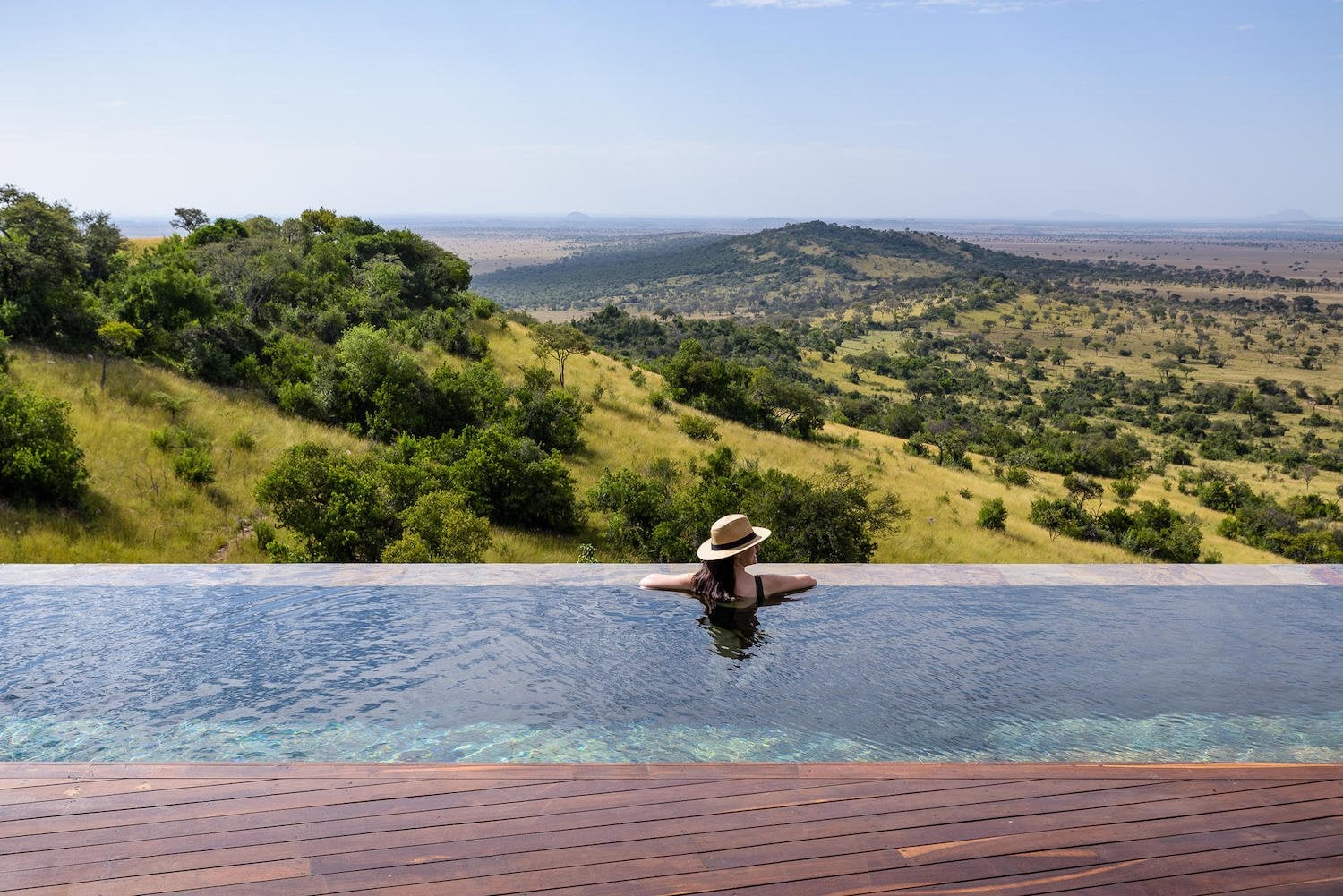
What to pack for your green season safari
Special considerations for hotter, rainier weather.
Find out more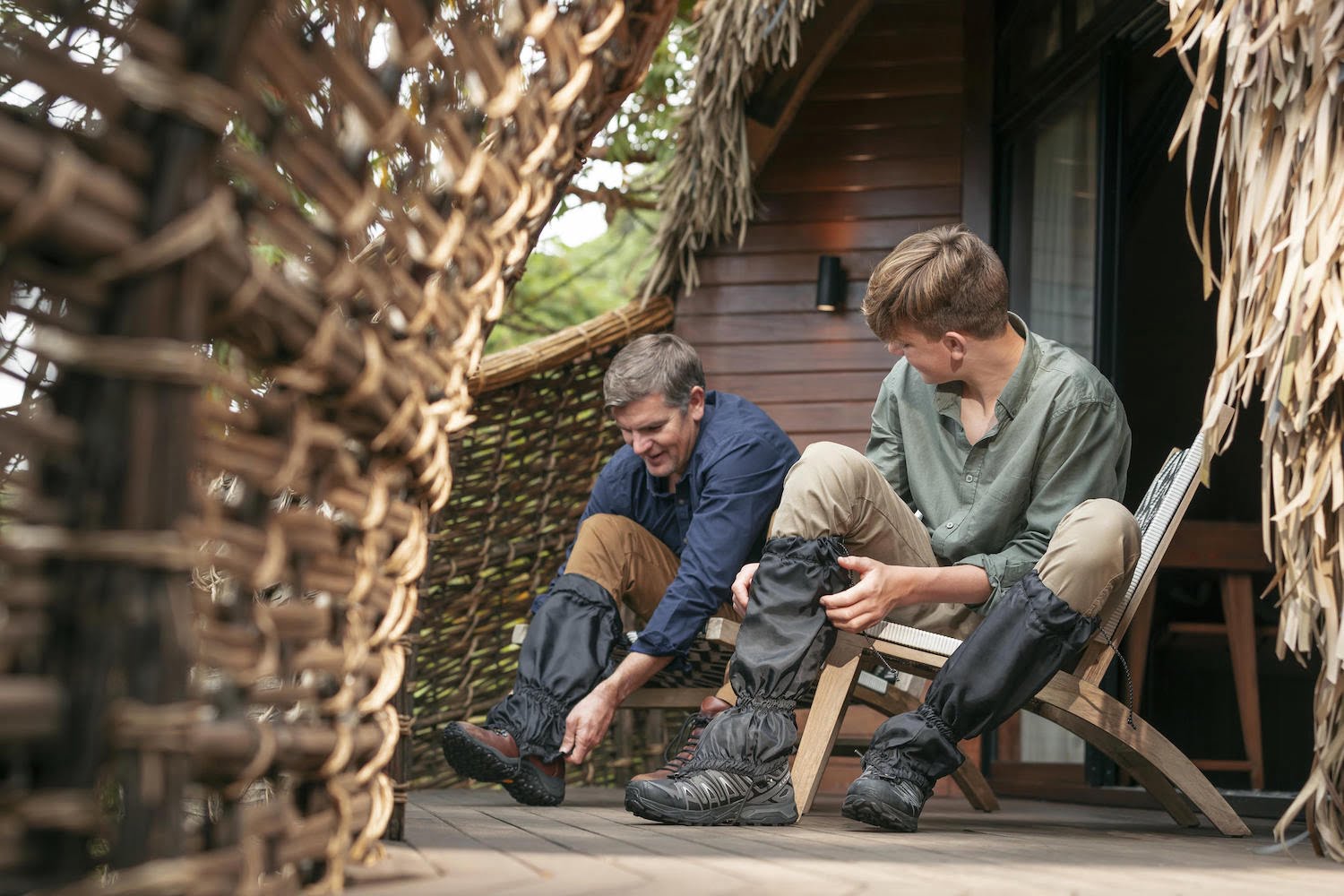
What to pack for gorilla trekking
How to be comfortable and protected on treks through Africa’s rainforests.
Find out more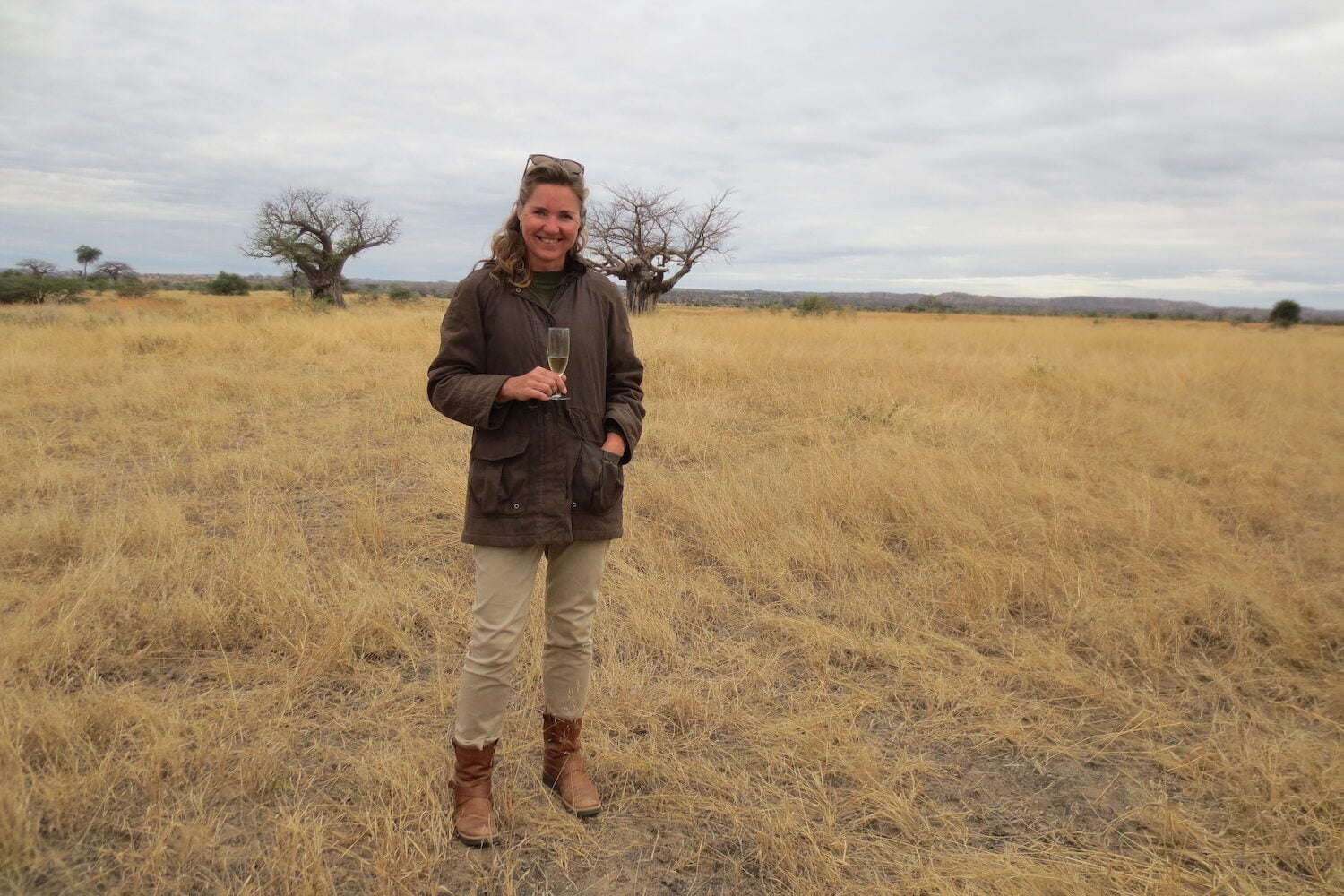
What to pack for your high-season safari
How to dress for a mid-year safari during Africa’s winter season.
Find out more