Around 1 300 million years ago, a volcano erupted in the Bojanala region of north-western South Africa. Gradually, Stone and Iron Age people built small settlements here, drawn by the plentiful game and fertile soil. Today, Pilanesberg National Park is the country’s fourth largest with over 7 000 individual recorded animals and a road network that spans 200 kilometres / 125 miles. It is also considered one of the most easily accessible Big 5 national parks as it is a straightforward drive from Johannesburg.
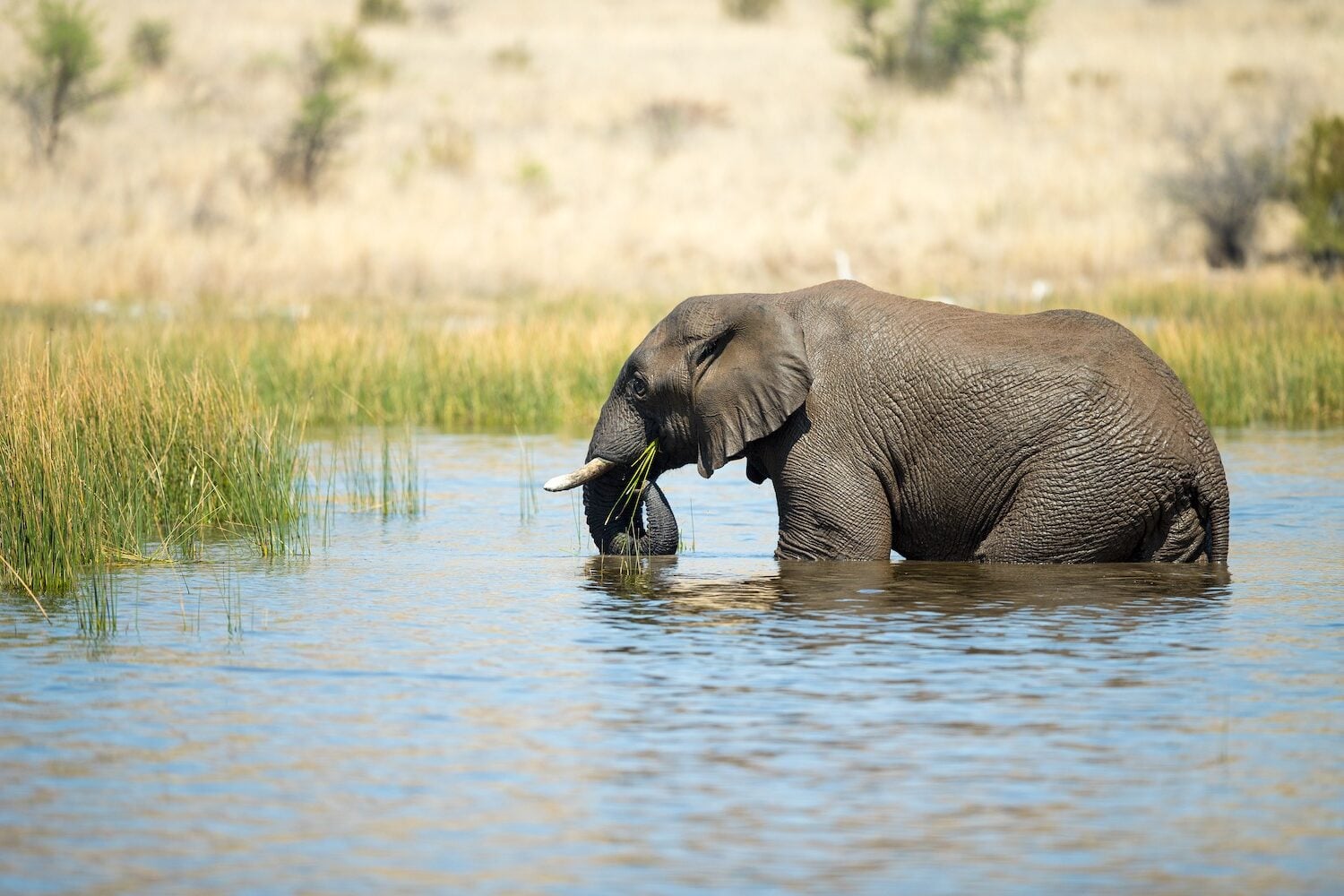
A key highlight of Pilanesberg is that it falls into the natural transition zone where classic Lowveld of hills, thickets and plains starts giving way to the flatter and more arid terrain of the Kalahari Desert. This means that you could spot species from both areas such as leopard, hippo and buffalo but also more desert-adapted mammals like oryx and eland. In addition, always be on the lookout for elephant, lion and rhino, which round out the Big 5.
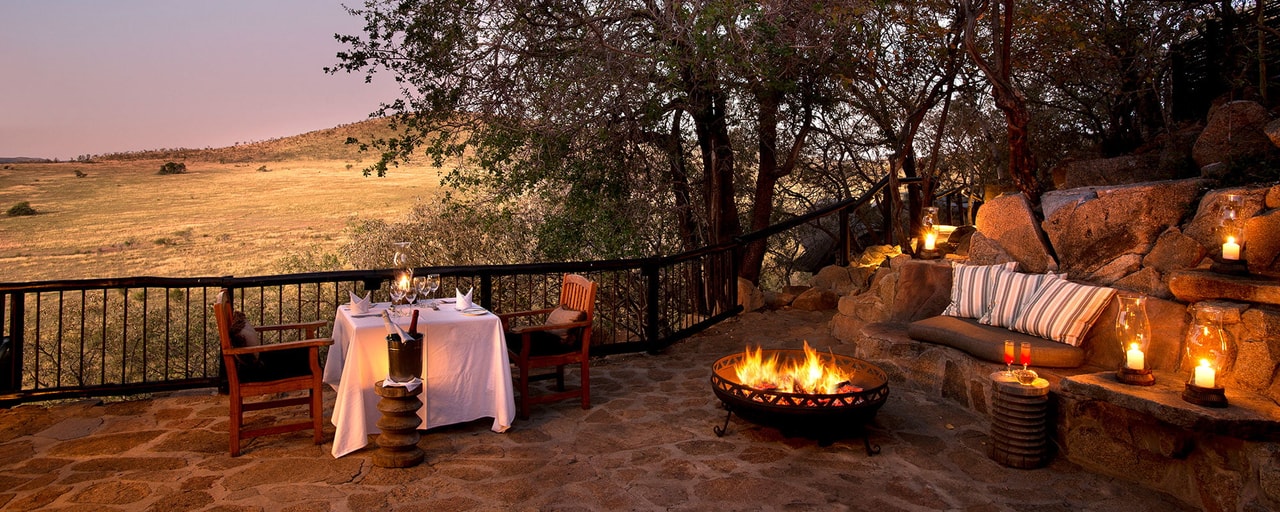
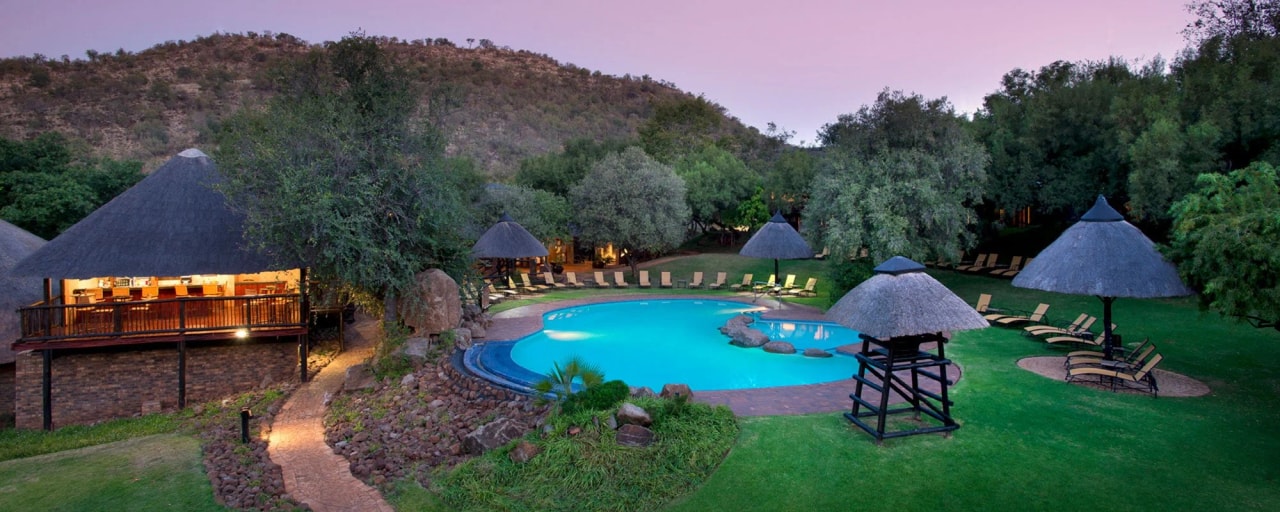
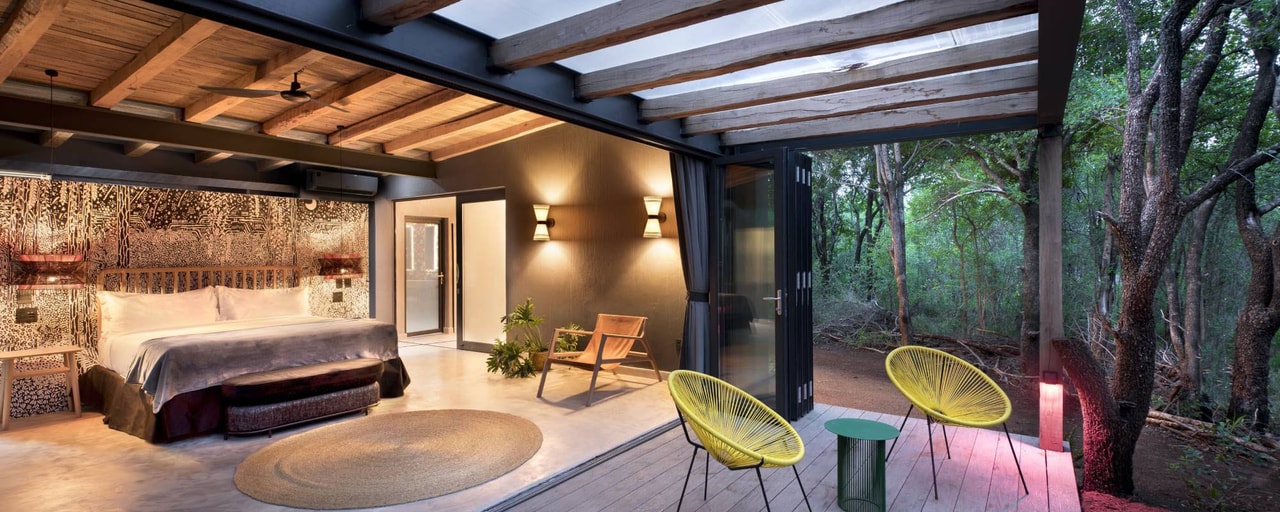
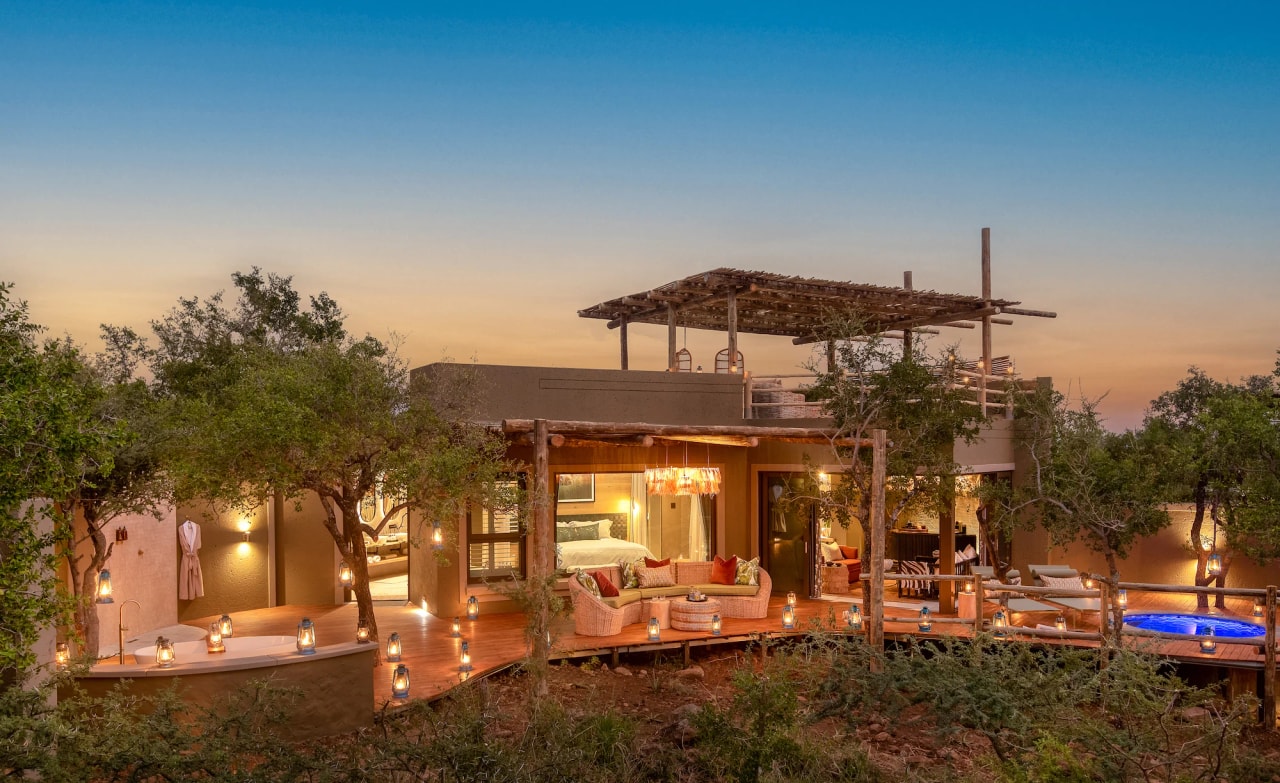
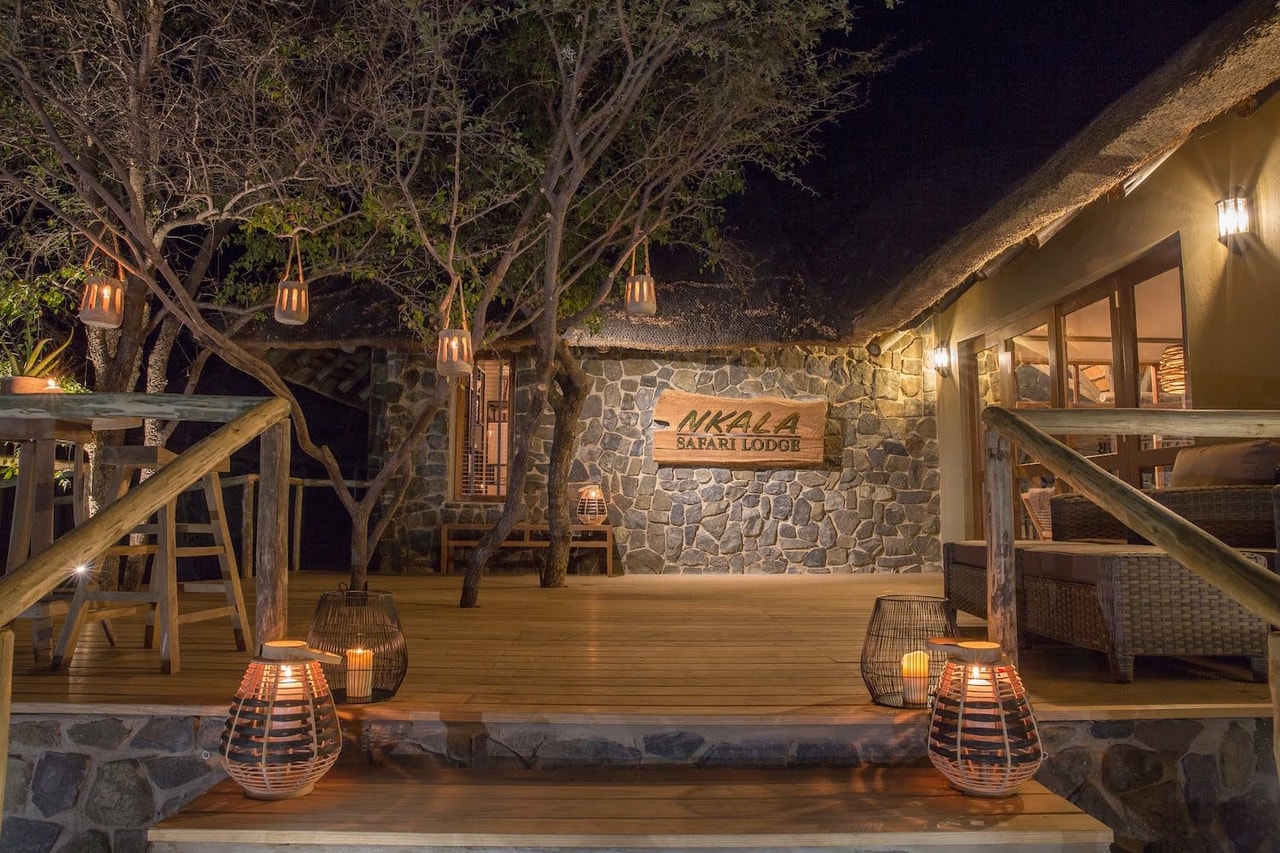
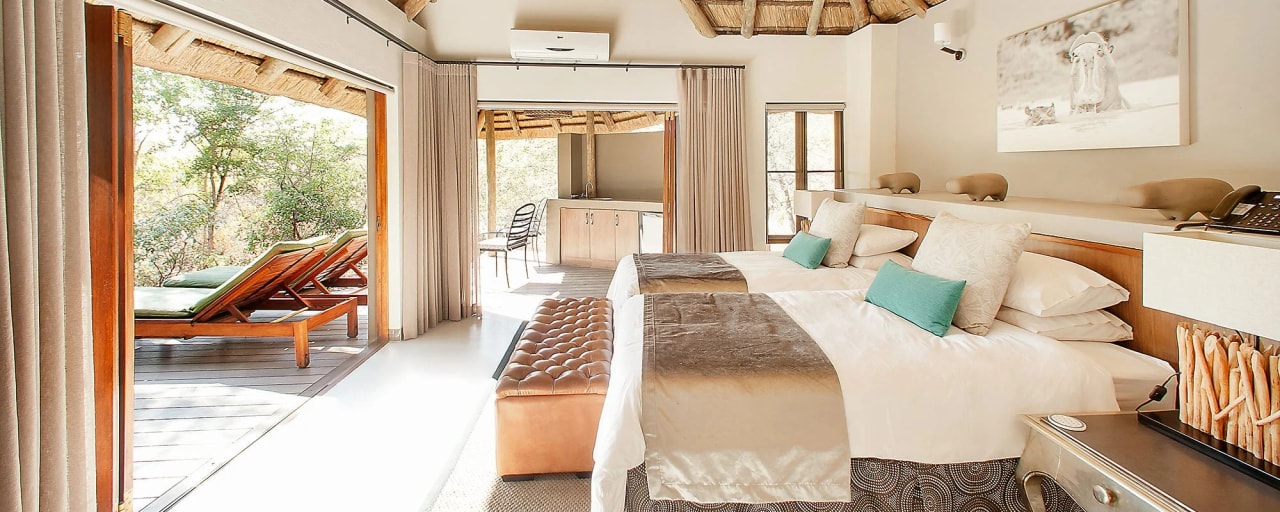
A special section in the north has been set aside as Black Rhino Game Reserve, which is private and home to more upscale lodges and camps. Guests at Black Rhino accommodation can go on game drives into the national park but national park guests cannot enter Black Rhino, preserving exclusivity, privacy and tranquillity.