

Masai Mara

Masai Mara

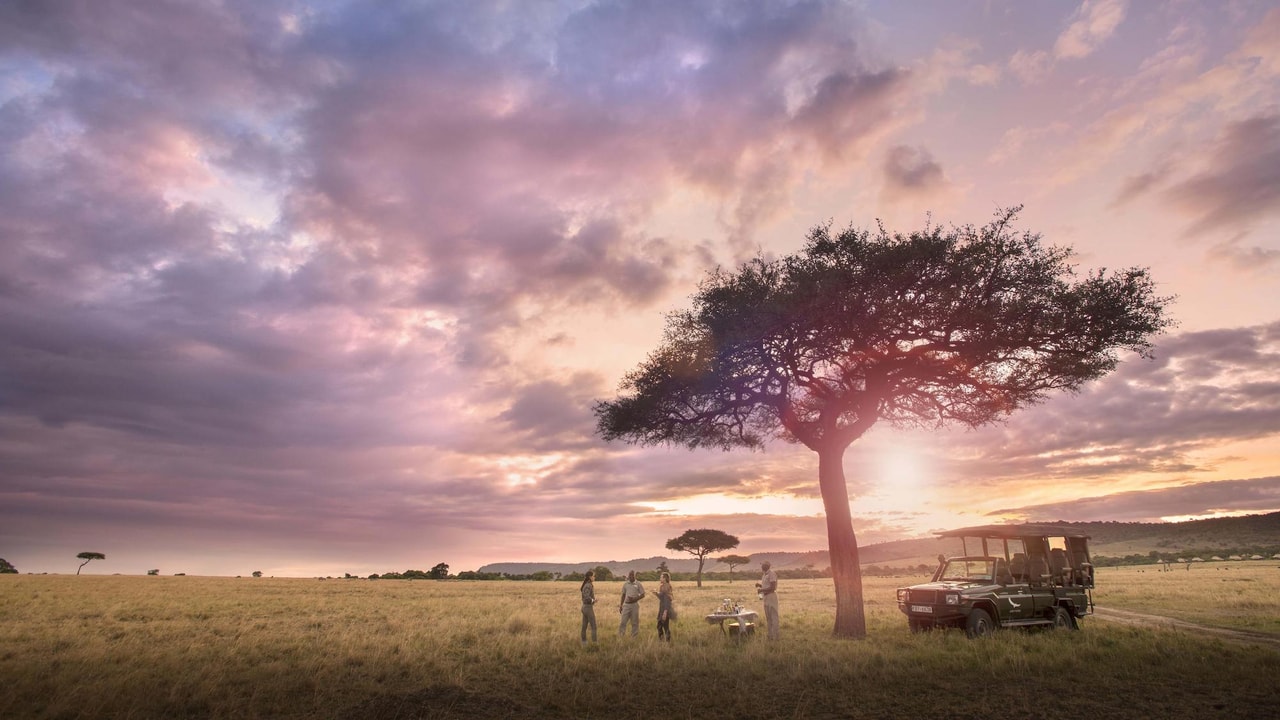
The Dramatic Interplay of River Crossings and Big Cats

Start your Journey

Champions Of Sustainable Safaris

We offset the carbon emissions for each night of your stay in accommodation booked by us at no cost to you.

Champions Of Sustainable SafarisLearn More Here

Highlights

Why Visit

  • Best side to see Migration river crossings
  • Cheetah coalition stronghold
  • Successful conservancy conservation pioneer
  • We offset the carbon emissions for every night of your safari booked with us

Famous For

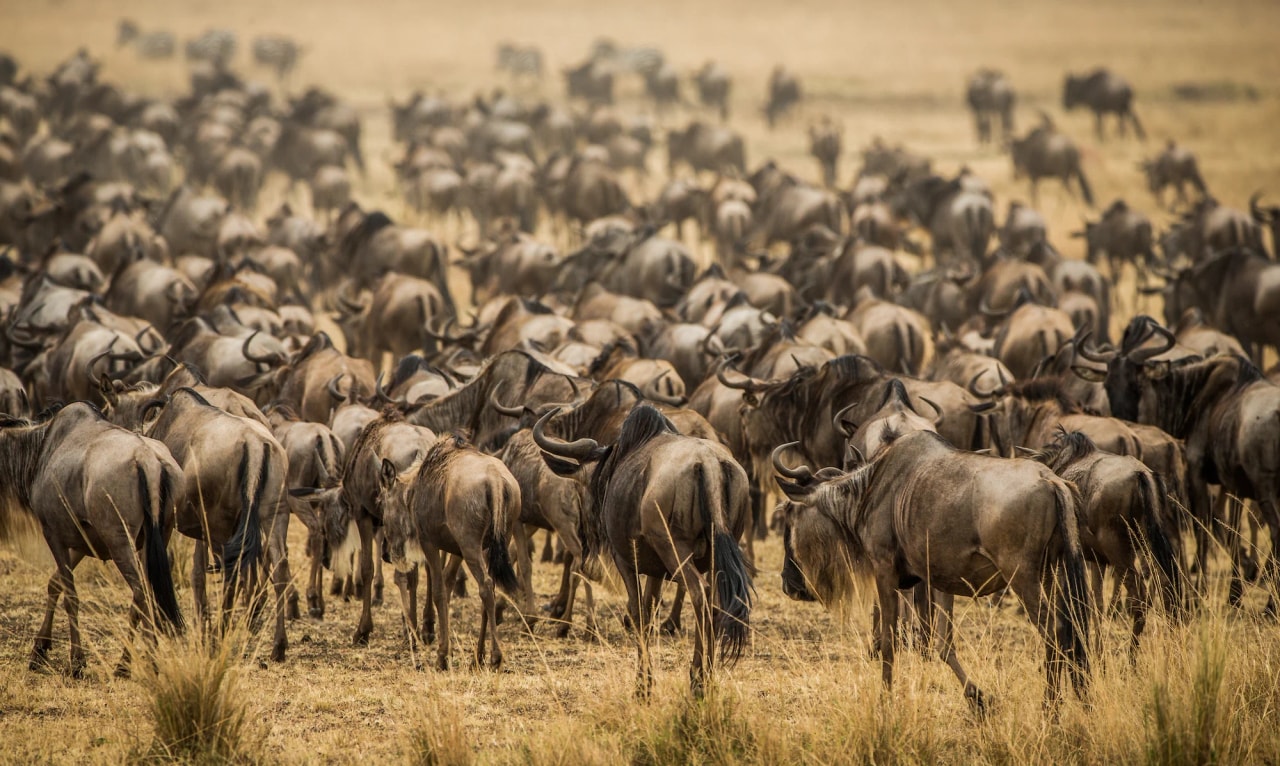
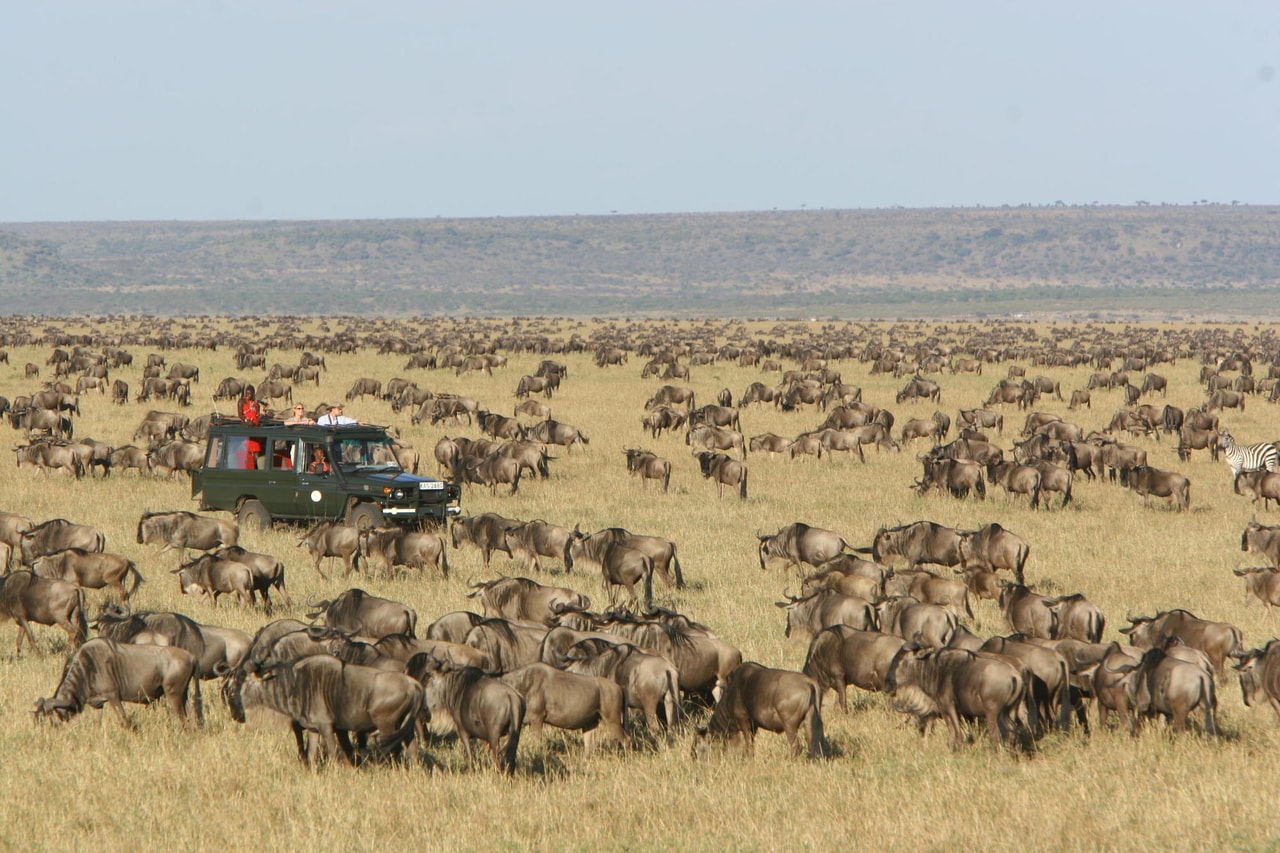
The major river crossings of the great wildebeest migration. From around mid-year, the first mega-herds of wildebeest reach the Mara River from the Serengeti in Tanzania. From the Kenyan side of the river, you will see them cross head-on, battling eroding river banks, patient crocodiles, irascible hippo and strong currents to make it into the Masai Mara National Reserve.

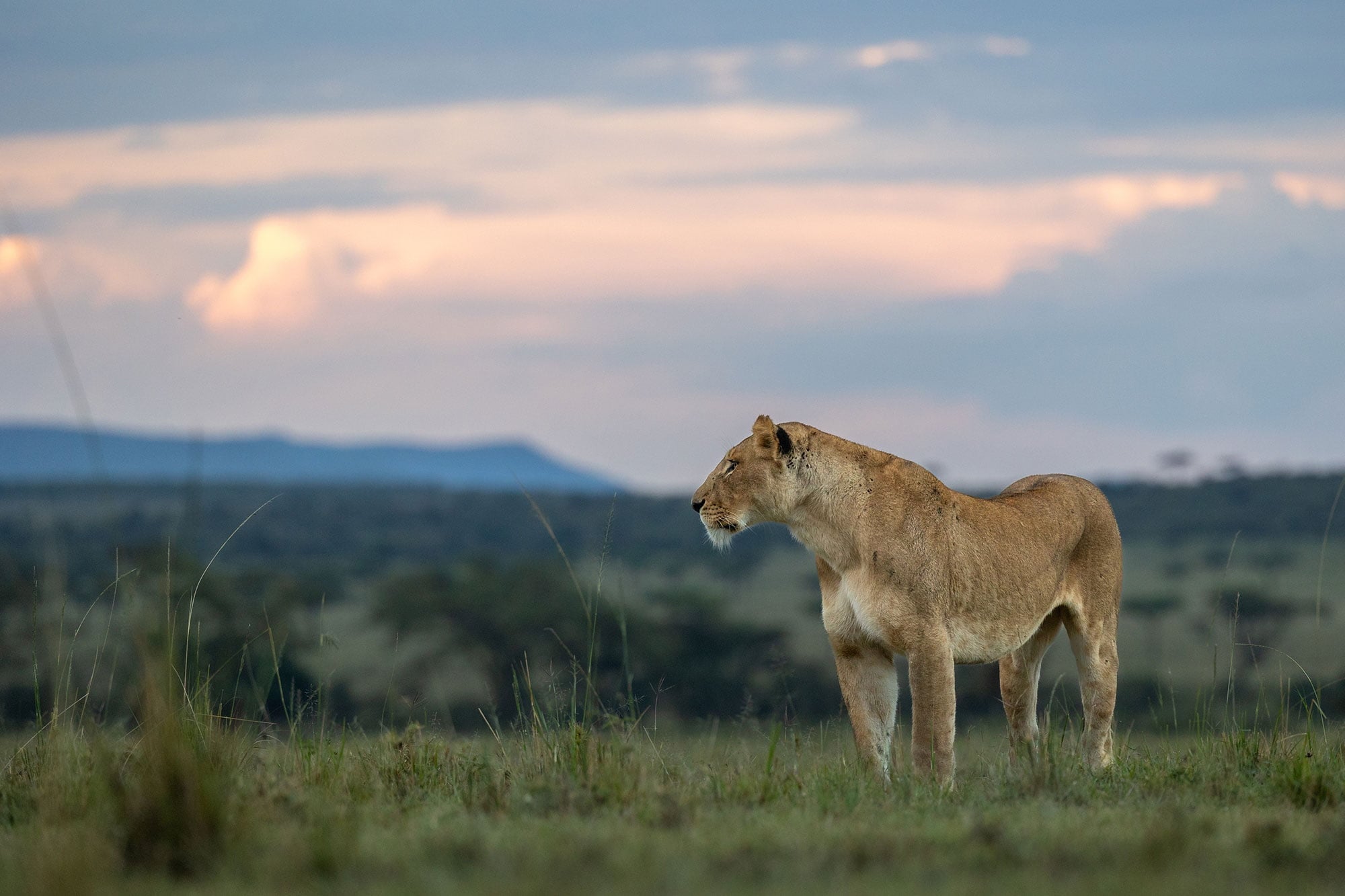
Some of the most intense predator action in Kenya. Because of significant numbers of grazers, the Mara is a stronghold for lion, hyena, jackal, wild dog and even an occasional leopard. The flat, open landscape is ideal territory for coalitions of cheetah that run down prey in thrilling chases.

Red-robed Maasai villagers herding their cattle in aged-old traditions. In certain areas, the Maa people still live in traditional manyattas (villages) and lease some of their land as conservancies for safari. Wildlife and humans have always co-existed and the Mara illustrates that modern conservation practices can incorporate – or even enhance – people’s way of life.

When to Visit

Dry season: May to October

By May, the rain has generally ceased although the grass remains high until about July and game can be trickier to see. By July, visitors are pouring into the Masai Mara in the hope of seeing wildebeest cross the Mara River. There is no way to predict when they will do so: they can remain on the water’s edge for days at a time and have even been known to turn back into Serengeti National Park. This unpredictability is what makes the crossings so exciting – you never know what will happen!

Dry season also means cooler weather and fewer bugs. As the wildebeest arrive, the predators are on high alert and you may be treated to high-octane sightings. Animals can be found not far from the remaining sources of water as the Kenyan winter wears on, making them easier to track down.
Green season: November to April

The ‘short rains’ usually occur in November. Thundershowers turn the brown savannah green, waterholes fill up and grazing is replenished to the relief of resident giraffe, zebra, buffalo, Thomson’s gazelle, kudu and other grazers. The first of the migratory birds arrive from the northern hemisphere and the wildebeest are generally leaving to cross back into the Serengeti.

There are resident wildebeest that don’t join the circular annual journey. Visitor numbers drop but that means photographers especially can often have sightings to themselves. The ‘long rains’ settle in for March and April. These tend to be localised deluges and skilful guides can often ‘drive around’ the downpours. Green season is a wonderful time to see baby ungulates and enjoy a landscape bursting with life.

Experience Masai Mara

Want more detailed information or advice about visiting Masai Mara?

Start Planning Now

Accommodation To Inspire You

All our suggestions for lodges, camps and hotels carefully merge design, service and quality for a memorable stay.

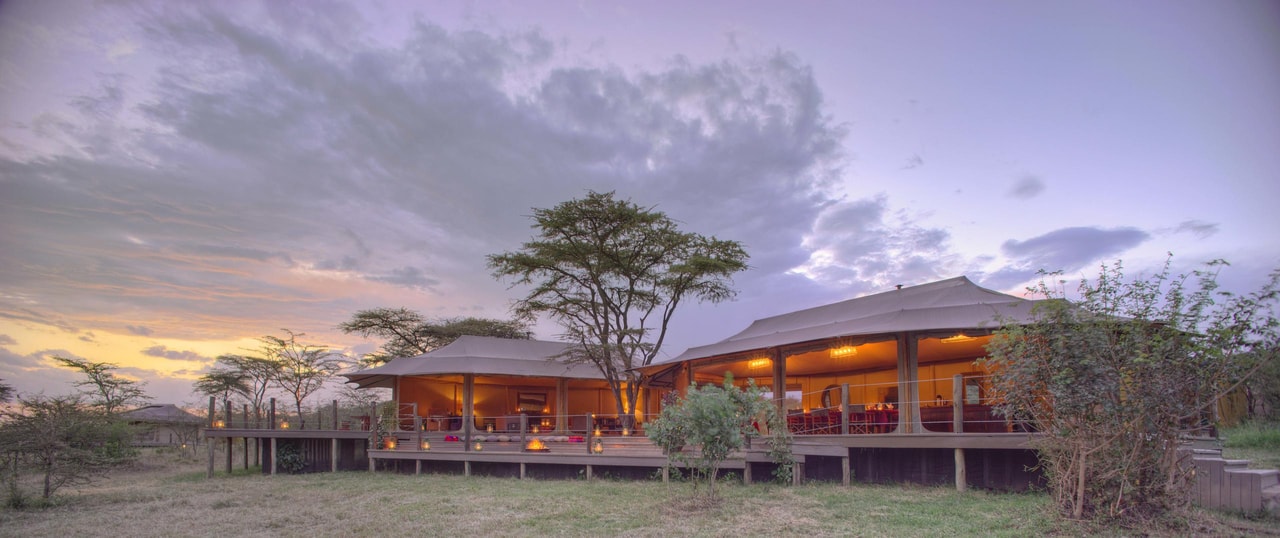
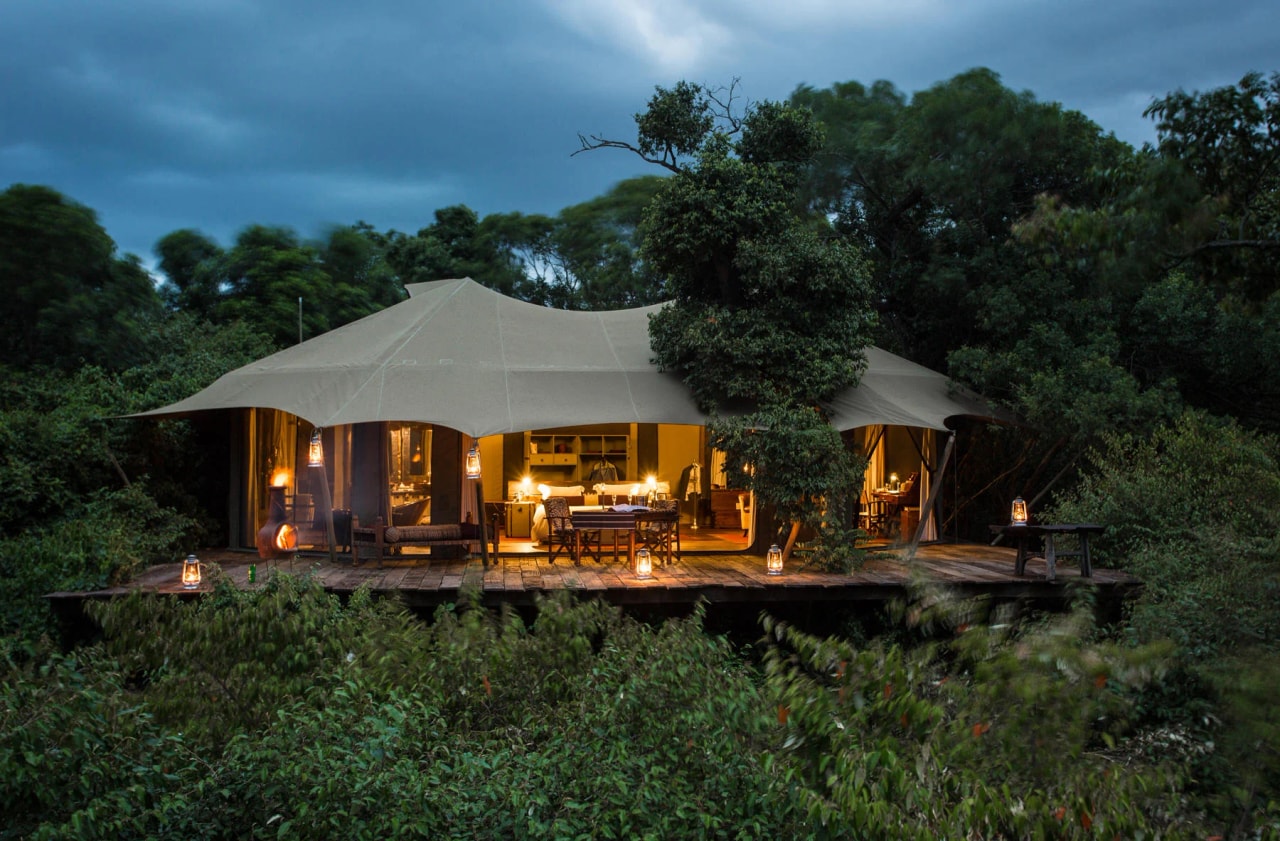
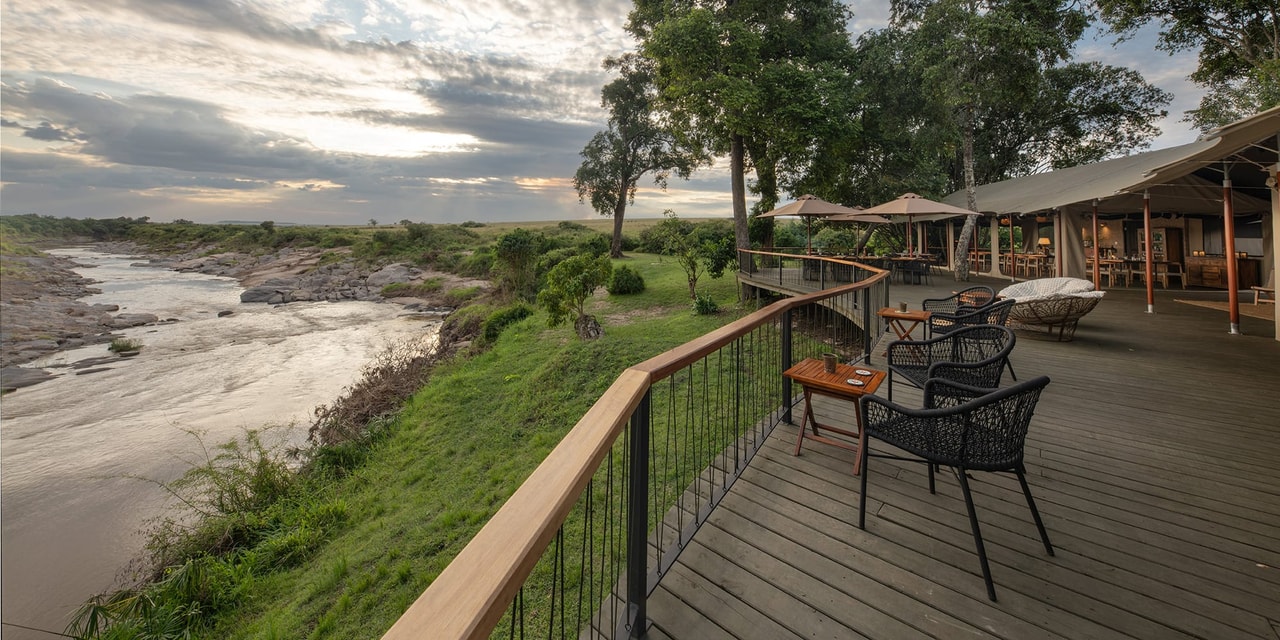
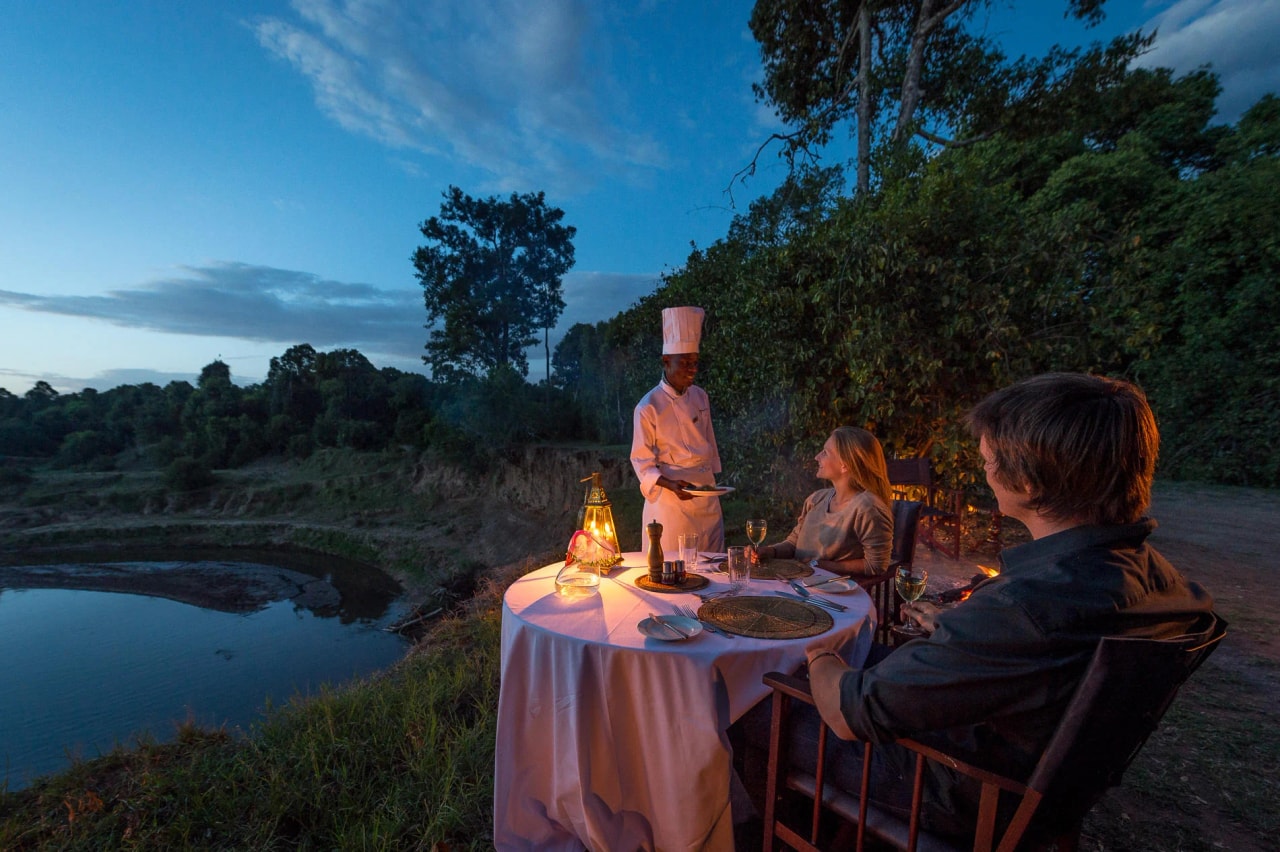
Here are our favourite Masai Mara Lodges & Camps to inspire you. Contact us to discuss your specific requirements.

Luxury accommodation

Exemplary accommodation that offers welcome touches that are a step up and provide an extra level of indulgence.

Experience Masai Mara

Want more detailed information or advice about visiting Masai Mara?

Start Planning Now

Options to extend your Masai Mara itinerary

Here are a few of our favourite options to add to your Masai Mara itinerary. These extensions are here for inspiration. We know that time is a precious commodity and we can tailor them to meet your requirements.

Why book with Biggestleaf Travel

Biggestleaf Travel safari consultants
  • We Sell What We Love: We are genuinely passionate about African travel and safaris. Every itinerary we design is shaped by first-hand knowledge, personal experience and a deep respect for the destinations we represent. It is company policy that our consultants experience the destinations and lodges they sell, giving them practical insight into the areas, logistics and overall journey.

  • Your Financial Security Comes First: We mitigate financial risk by being accredited members of ASATA, SATSA and ATTA, ensuring your funds are handled responsibly and in line with industry best practice. You book with confidence, knowing your investment is protected. For more detail, please visit our Why Book With Us page.

  • Transparent, Independent Reviews: Our reputation is verified through open, independent reviews on Trustpilot, Google and TripAdvisor — real feedback from real travellers, with nothing hidden. Please visit our Reviews page for more information.

  • Tailor-Made – Not Template – Trips: No two travellers are the same. Every journey we create is fully personalised and customised, designed around your interests, pace and expectations. This may take longer to organise but it means our clients get an unforgettable experience.

  • Established, Stable & Experienced: Founded in 2014, we are proud that we still have our first consultants working with us today. This continuity reflects the strength of our team culture, depth of experience and the long-term relationships we build with our staff, clients and safari partners.

  • Responsible Travel & Carbon Offsetting: We believe in protecting Africa’s wild places for generations to come. As part of our commitment to responsible travel, we offset our travellers’ carbon footprint through bed-night calculations, and fully offset all kilometres driven by our vehicles through verified carbon credits. Every journey therefore contributes to conservation, climate responsibility and the long-term sustainability of the destinations we love. Visit our Sustainable Travel page for more information.

Biggestleaf Travel consultants at their desks