WHERE TO GO FOR A CAPE TOWN SAFARI
Cape Town is renowned for Table Mountain, the penguins at Boulders Beach, the V&A Waterfront, Robben Island and the Cape Winelands. It is not always automatically connected to safaris and game drives. Many visitors still think they have to fly to Greater Kruger or reserves like Madikwe to see wildlife and the Big 5.
This has all changed over the past few years and there are now several private reserves within half a day’s drive of Cape Town that can offer stunning lodges, exciting wildlife and incredible scenery.
What’s covered in this guide
Explore the highlights of this post with ease by using the table of contents below to navigate to sections of interest.
- Why Some Clients Choose a ‘Cape Town Safari’
- What will be differnt?
- How far will it be?
- What will it cost?
- How to choose from the reserves
- Best places to stay for couples
- Best places to stay for families with young children
- Are Cape Town safaris considered ‘proper safaris’?
- Written By Angela Aschmann
- Read More
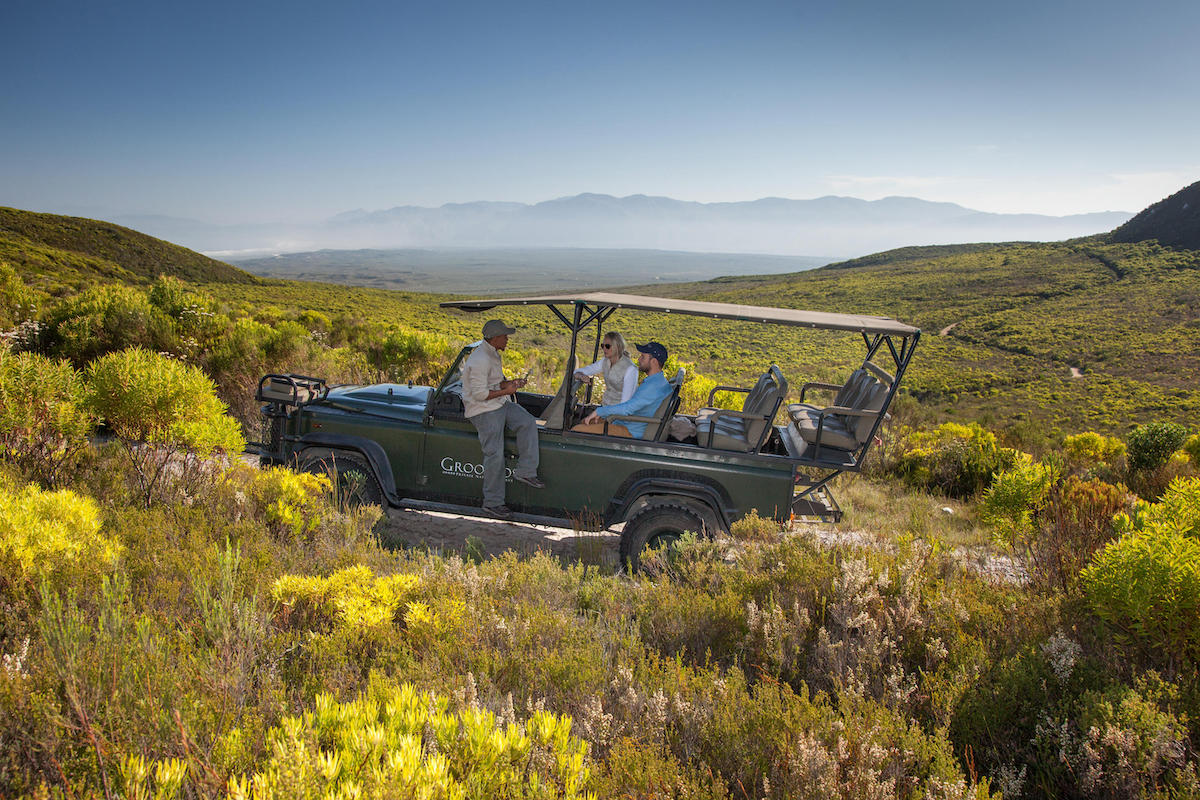
At private reserves such as Grootbos, game drives will take in the coastline and mountainous areas to appreciate smaller game and the Cape Floristic Kingdom.
Why Some Clients Choose a ‘Cape Town Safari’
There are several reasons some of our clients opt for a safari in the wider Cape Town region:
- They are in Africa for the first time and are unsure if they will enjoy a safari in a more remote region.
- They want to limit flying, especially on small light aircraft.
- They are travelling in a large group or as a family and so need as many activities as possible to appeal to a wide variety of interests, tastes and ages.
- They’re attending a sporting event in Cape Town such as the Cycle Tour, Cape Epic, Two Oceans Marathon or even the Cricket World Cup and would like to tag on time in the bush.
- They’re lucky enough to have been on other safaris and would like to try somewhere different.
- They would like to contain costs and logistics by keeping within the same area for their entire vacation.
- They’re on business trips and would like an easy bush holiday before they return home.
- There are medical conditions that need to be factored in.
- Small children are part of the party (many safari lodges elsewhere in Africa will not accept under 6s, under 8s or under 12s.
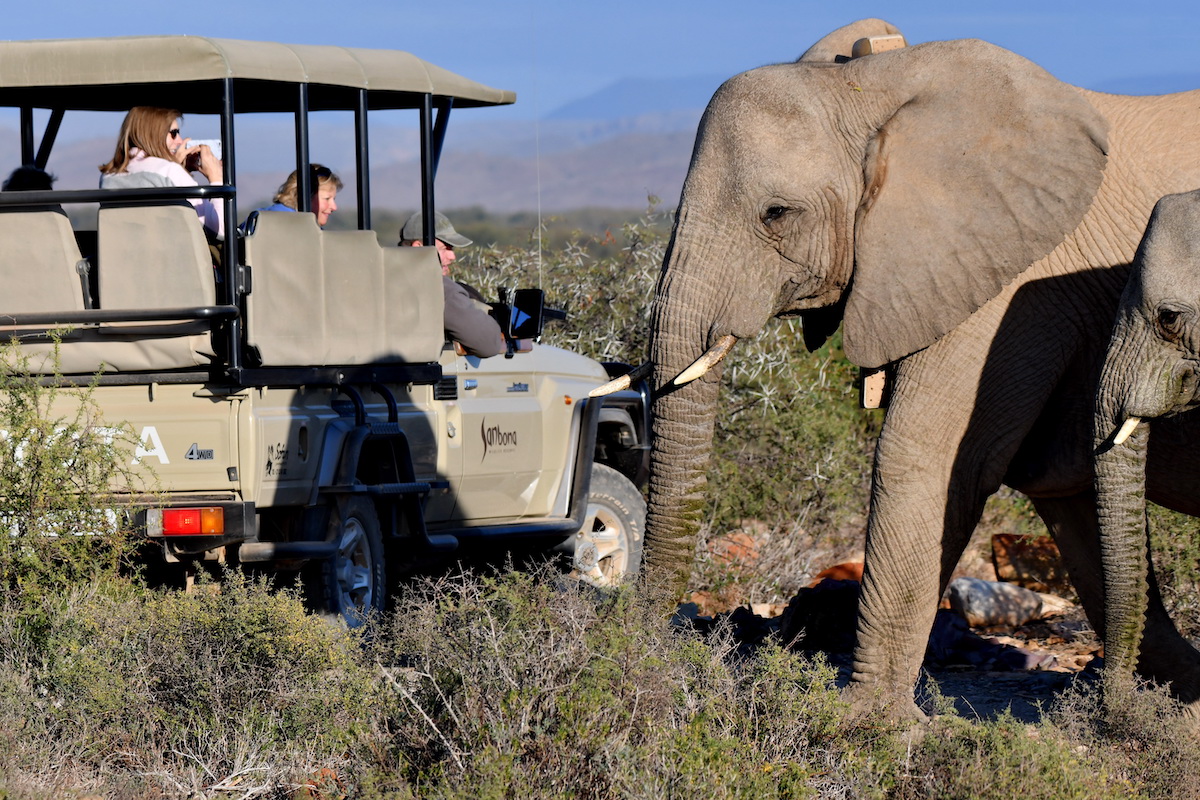
Smaller reserves and low vegetation make it much easier to find and see wildlife on a Cape Town safari. Sabona has 3 200 plant species, including 400 endemic ones.
What will be differnt?
If you’ve been on safari elsewhere in Africa, there are some key differences with a Cape Town safari:
- Seasonality The Cape Town area has the opposite seasons: while the rest of Southern Africa has wet summers and dry winters, the reserves here will have dry summer and wet winters. Some places may even have light mid-year snowfall.
- Temperatures Summer temperatures can exceed 40°C / 104°F and winters can plummet to 5°C / 40°F.
- Landscapes There are plenty of mountains and the topography is generally much hillier than flat safari areas like the Okavango Delta or savannahs of the Serengeti and Masai Mara. This allows for more unusual species such as klipspringer (which literally means ‘rock jumper’) or rare Cape mountain leopard.
- Fauna Historically, this area has never supported huge herds because of the mountains and lack of large expanses of grasslands. Expect smaller herds and species that are adapted to drier conditions. Lion, cheetah, rhino and elephant are present but leopard, hyena and buffalo will be harder to see. If you’re lucky, you might spot aardvark, aardwolf, pangolin and brown hyena.
- Flora This is one of the most interesting aspects of a Cape Town safari: the Cape Floristic Kingdom has over 9 500 species of plants, 70% of which are endemic. ‘Fynbos’, as it is generally known, maybe look uninspiring initially until you start noticing the incredible variety as well as flowers such as proteas (and the birds and other wildlife it supports). The Cape is famous for incredible displays of vivid wildflowers in spring (from about August): expect carpets of bright orange, white, yellow, purple, pink and red flowers in abundance.
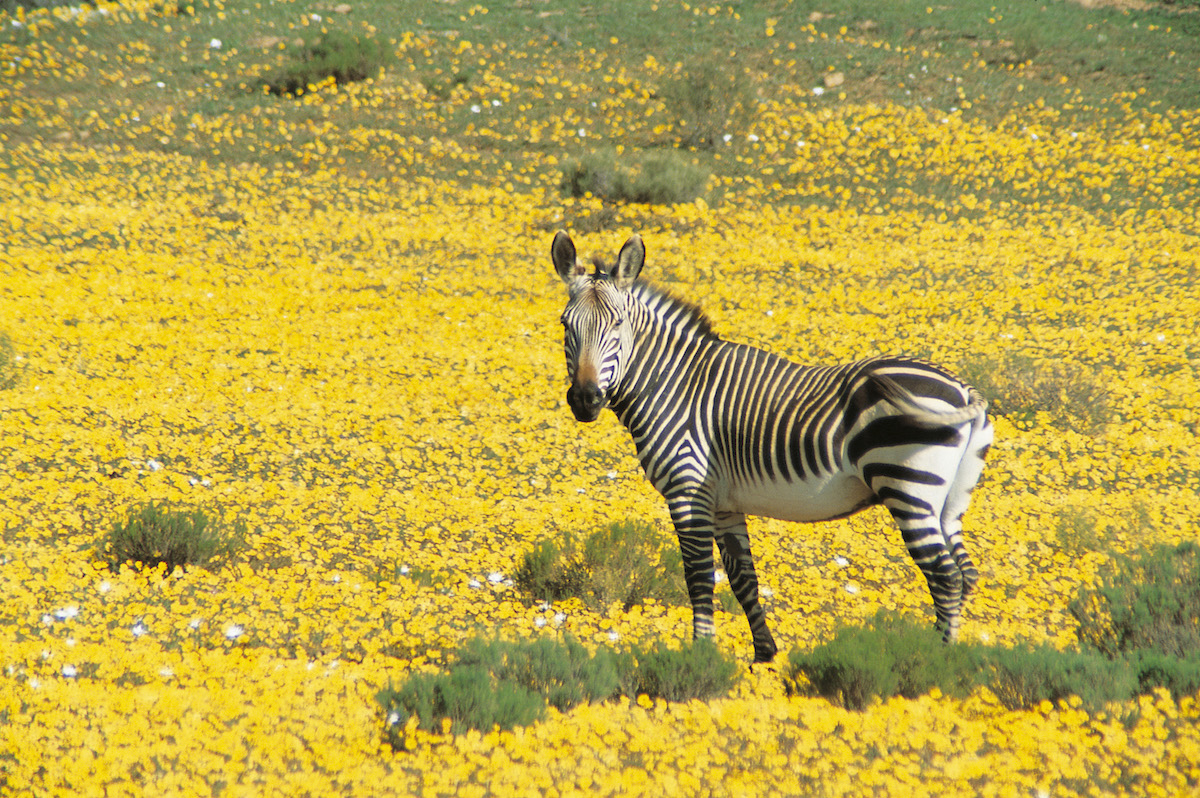
A zebra in a sea of vivid spring flowers making up the Cape Floral Kingdom at Bushmans Kloof in the Cederberg about three hours from Cape Town over a scenic mountain pass.
- Activities Not all reserves will have big cats such as lions so that means activities like hiking, caving, e-biking, quadbiking (ATVs), wild swimming and mountain biking are on offer. If you’re near the ocean, then you can go whale watching, sandboarding, snorkeling or rock pooling.
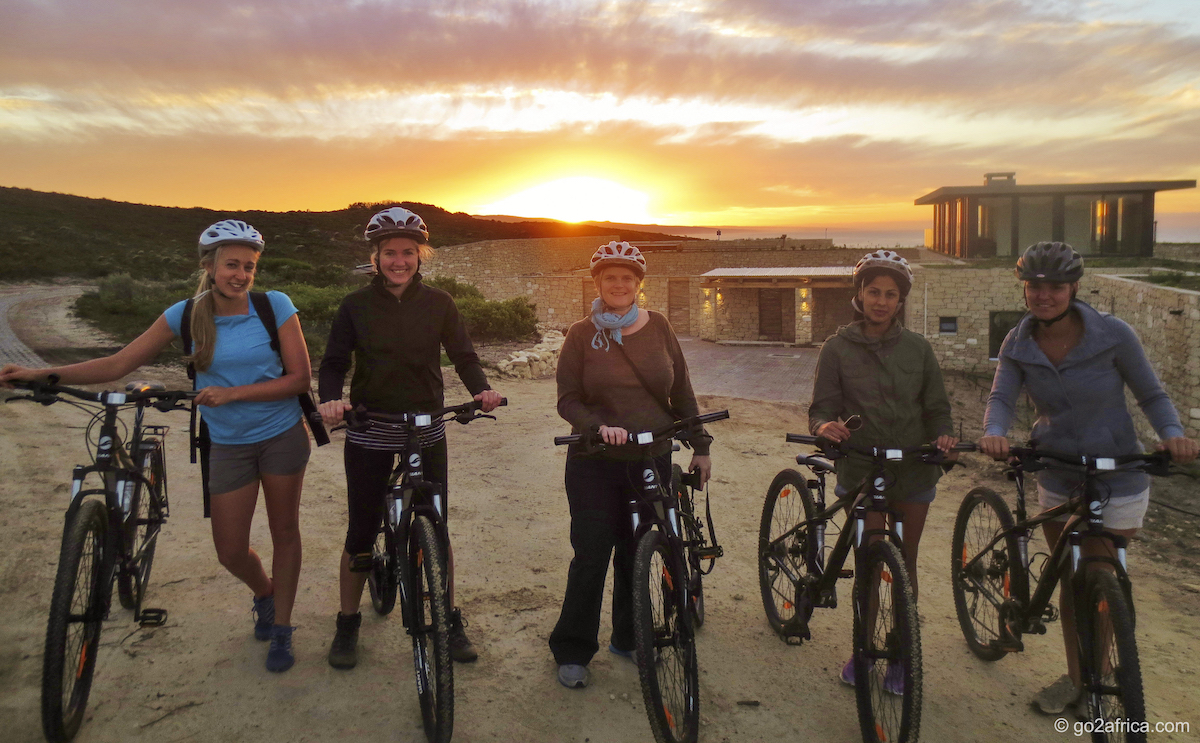
Biggestleaf staffer, Angela (second left), enjoys a sunrise MTB ride at Morukuru Ocean House in De Hoop. The reserve is home to thriving Cape vulture breeding colony.
- Wildlife Some reserves support all of the Big 5 but leopard will be the hardest to see because of the lack of tall trees (leopards here will ambush their prey and then pull it back into dense shrubbery or haul it back to mountain hideouts). Buffalo are also very water dependent and may not occur in large numbers. It is the same for other water-dependent species such as breeding herds of elephants and pods of hippos. The good news is that you can see more semi-desert adapted species such as oryx (gemsbok), Cape fox, hyrax (dassies), klipspringer and springbok. You should generally be able to see lion, cheetah, hyena, elephant and rhino quite easily. Wild dog were not historically found here.
- Crowds These are all private reserves not open to the general public so you will not have lots of other vehicles or guests at sightings.
- Rock art There are excellent rock art sites at many locations and many are easily accessible for guests.
- Marine safaris South Africa sets the standard for marine safaris and there are few places better for land- and boat-based sightings of dolphins, humpback whales and great white sharks. In addition, you might be lucky to see highly endangered African penguins as well as Cape fur seals. Biggestleaf Travel supports only ethical sightings that do not rely on luring animals with food.
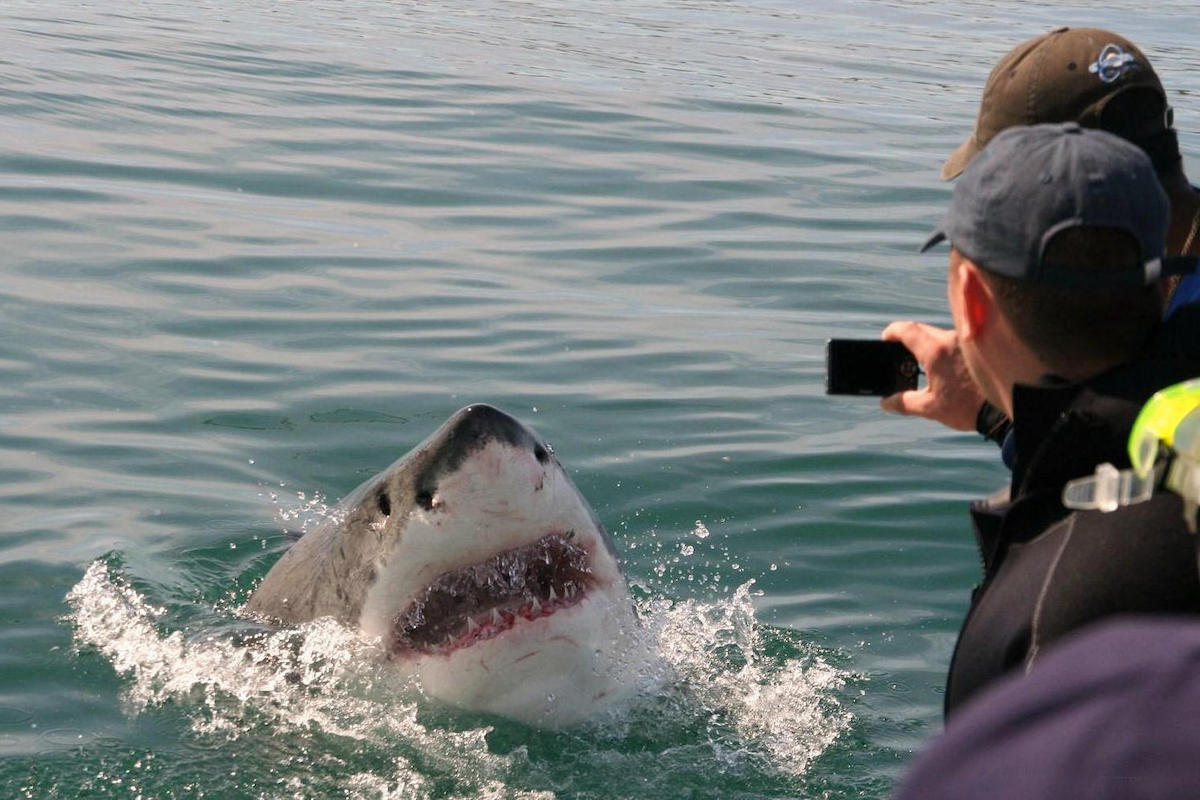
Beach reserves like Grootbos and De Hoop have excellent marine safari options – humpback whale migrate past the coast from about June to September while sharks are always around.
How far will it be?
All lie closer than five hours’ drive from Cape Town city. This means you can have breakfast at your hotel and arrive in time for afternoon tea and the late-afternoon game drive. We will ensure that you check out in time for your departure flight home.
Some lodges have helipads and flights in light aircraft can be arranged for certain areas – these options obviously cost more than standard private road transfers.
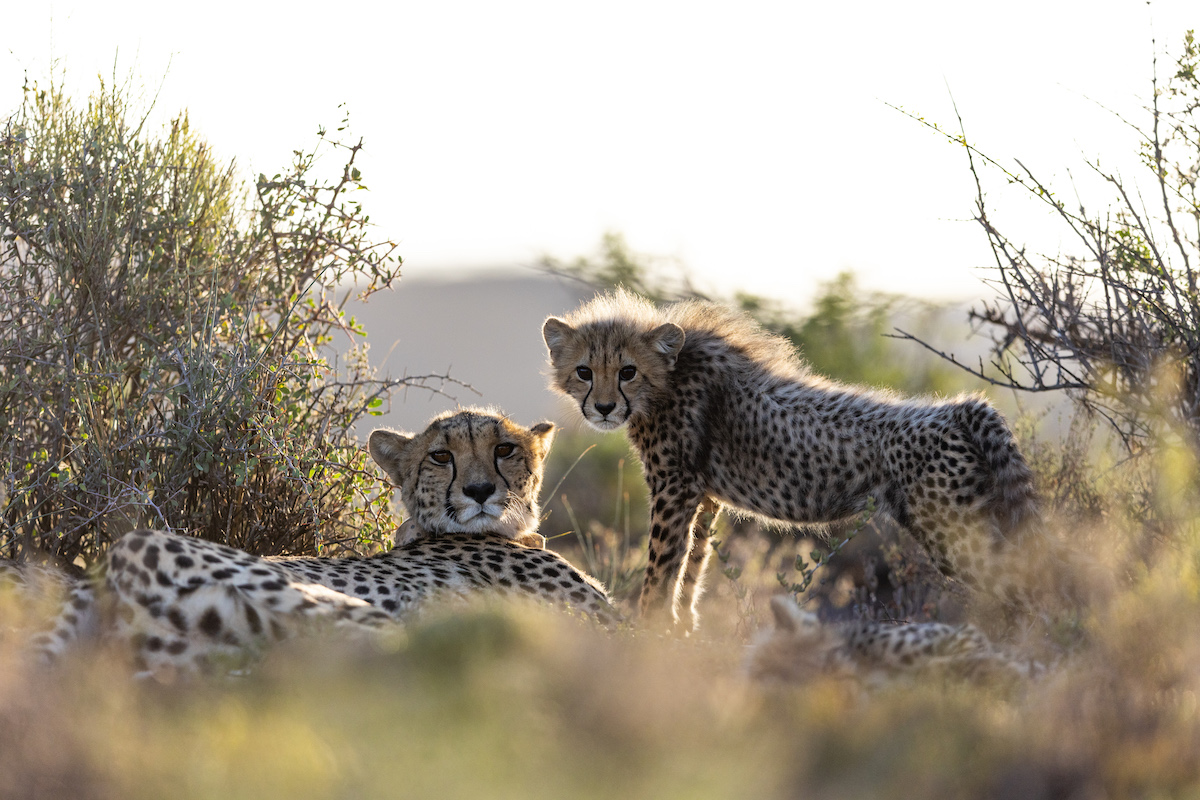
After enjoying breakfast in the city, you could be watching a cheetah and her cubs by that afternoon. Sanbona is the only cheetah metapopulation reserve in the Succulent Karoo biome.
What will it cost?
Generally, lodges range from good 4-star to exceptional 6-star options. This may seem pricy but:
- You’ll be paying in South African rand (ZAR), which has a very favourable exchange rate against the US dollar, pound sterling, euro and Australian dollar.
- You will not be paying for flights to other destinations.
- If you need one, your South African visa will already be arranged and you won’t have to pay for another visa.
- Conservation levies will also be charged in rands and not US dollars.
- All your other expenses – such as spa treatments, gifts or tips – will be in ZAR.
- Items that cost much more in other countries – such as wines or spirits not included in your rate – will generally be more affordable here (and billed in rands not USD).
- If you are confident of your driving abilities, it is possible to drive yourself to these reserves. You must, however, factor in car rental, driving on the left side of the road and the extremely variable standards of South African drivers. You cannot Uber to these lodges (we always suggest professional transfers for our clients).
Read more: How to budget for your first safari
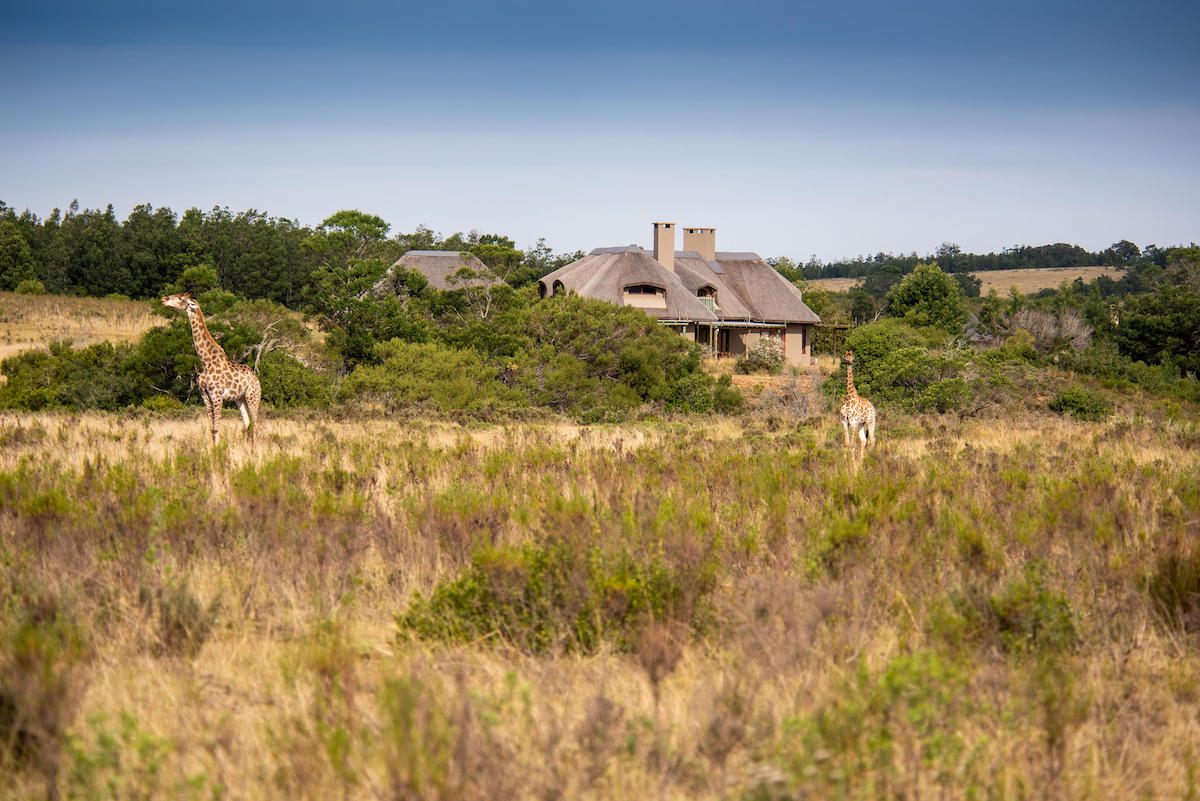
Giraffe graze peacefully outside Lehele Lodge at Gondwana, which is perfect for families. Cape Town safaris offer a plethora of accommodation for everyone from solos to groups.
How to choose from the reserves
Essentially, the best way to decide is what kind of safari you want to have: a classic game safari in the bush or a marine safari with a beach element.
For a classic game safari, head inland to:
- Bushmans Kloof Wilderness Reserve & Wellness Retreat
- Gondwana Game Reserve
- Kuganha
- Sanbona Wildlife Reserve
For a marine safari, head up the coast to:
- Morukuru Beach Lodge and Morukuru Ocean House in De Hoop Nature Reserve
- Grootbos Private Nature Reserve
Both De Hoop and Grootbos have smaller species of antelope and small nocturnal cats but no big cats or bigger animals like elephant, giraffe or rhino. They do, however, offer seasonal land-based whale watching, ocean views and beach activities. Because there is no bigger game, you can walk, bike and hike around safely.
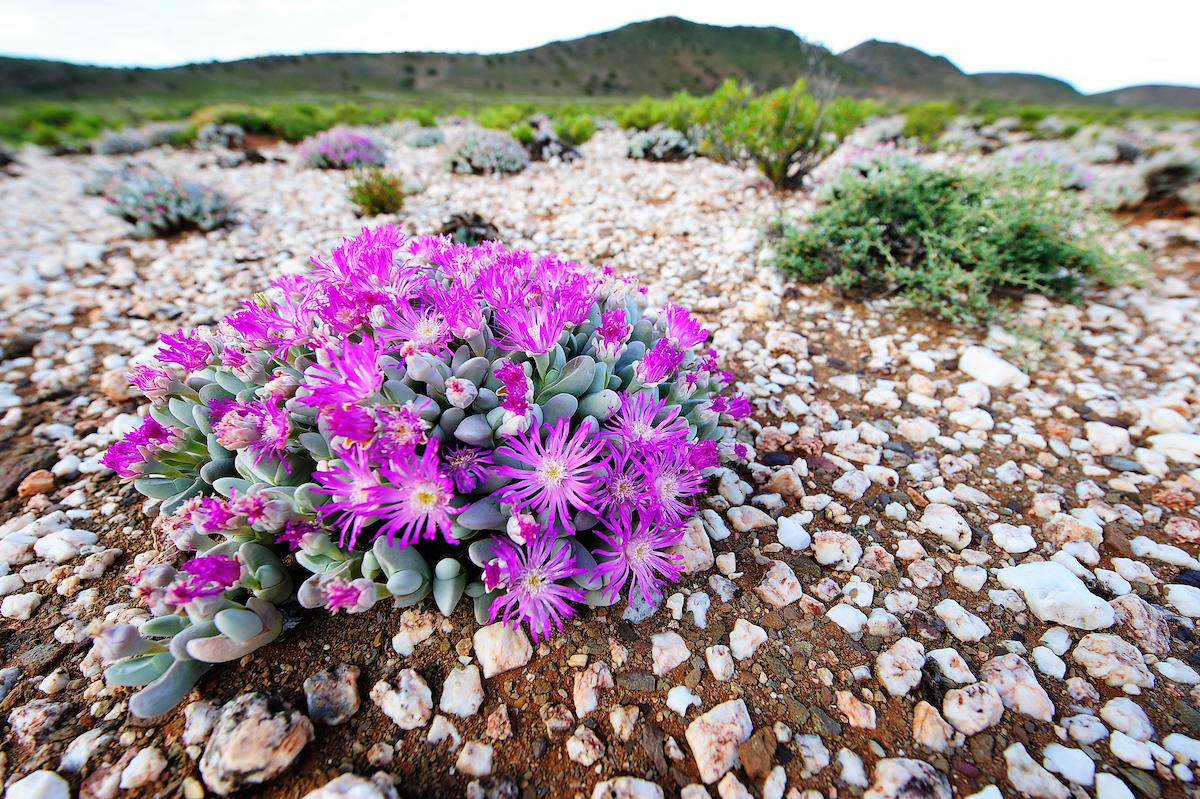
One of the biggest differences in a Cape Town safari is the landscapes and vegetation. Most of the area is semi-desert with rocky mountains and low plants such as fynbos and succulents, which can have intensely coloured, beautiful flowers like these at Sanbona.
Best places to stay for couples
All lodges will take adults but if you prefer a grown-ups’ only setting, consider the following:
- Taking any of the villas on an exclusive use basis. For large groups of friends travelling together, this can often work out cheaper than multiple rooms at a lodge. As a bonus, you’ll also usually have a private game-drive vehicle (rather than having to share with other guests) as well as a chef and housekeeper.
- We can request private dining in your room or suite so that you can enjoy your meals without other guests around.
Best couple accommodation:
- The honeymoon villa at Morukuru Beach Lodge has a private deck with an outdoor bathtub and ocean views.
- Dwyka Tented Lodge at Sanbona does not accept under-16s.
- Kuganha is also open to only 16+. It offers some of the most luxurious safari accommodation in South Africa alongside other lodges such as Cheetah Plains and The Motse at Tswalu.
Ream more: How to plan a honeymoon safari
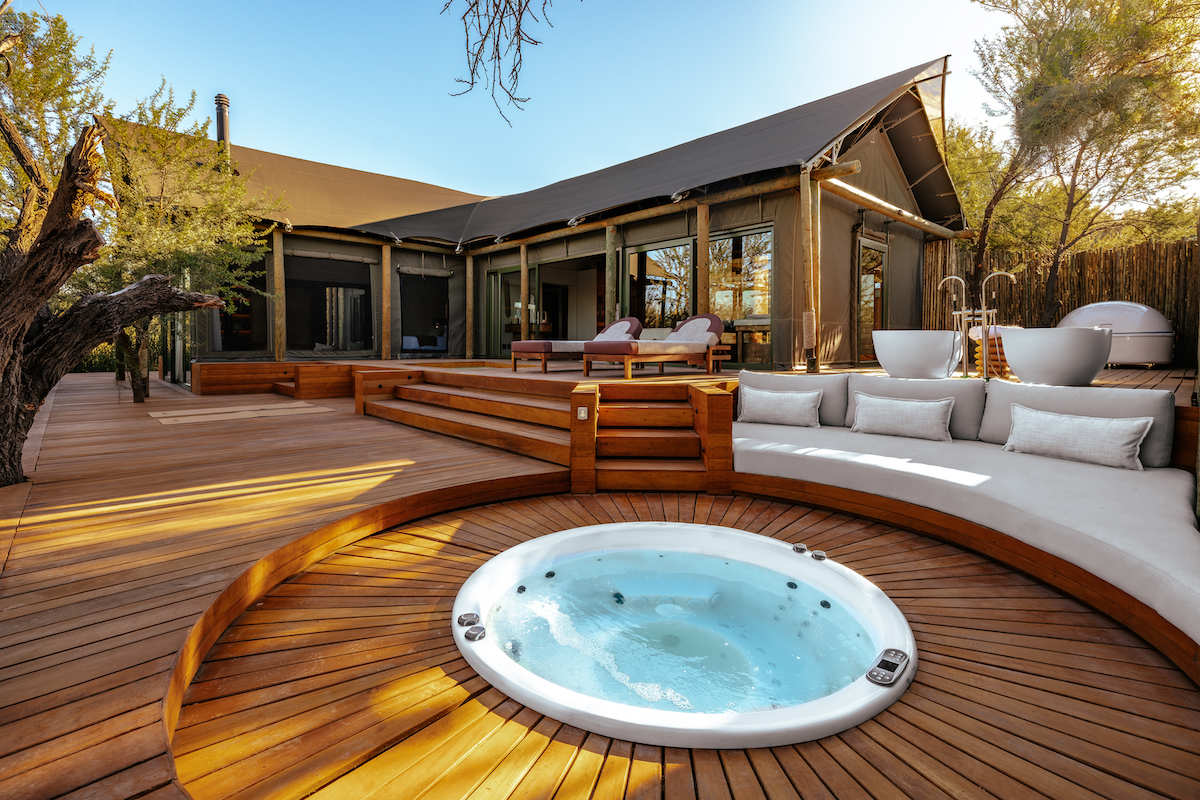
Your tented suite at Kuganha has a pool, hot tub, floatation pod, steam room and double outdoor bathtubs – the ultimate in couples’ wellness in the bush!
Best places to stay for families with young children
Lodges that accept young children may require you to hire a private game-drive vehicle at an extra cost (in some cases it will be mandatory). While this will be an extra expense, it is worth it as you will be able to set your own schedule and return to the lodge if your kids are tired, hungry or hot.
Best under-12s accommodation:
- Lehele Lodge and Lehele Villa at Gondwana take children of all ages (0 to 2 are not permitted on game drives for safety reasons).
- The villas at Gondwana – Ulubisi House, Black Rhino, Ikhara and Psamma – also cater for all ages.
- Morukuru Ocean House and Morukuru Beach both accept children of all ages (please note that they are near the sea so adult supervision is always required.
- Garden Lodge at Grootbos welcomes children of all ages.
- Both Koro Lodge and Cederberg House at Bushmans Kloof accept children of all ages.
Read more: What age can I take my kids on safari?
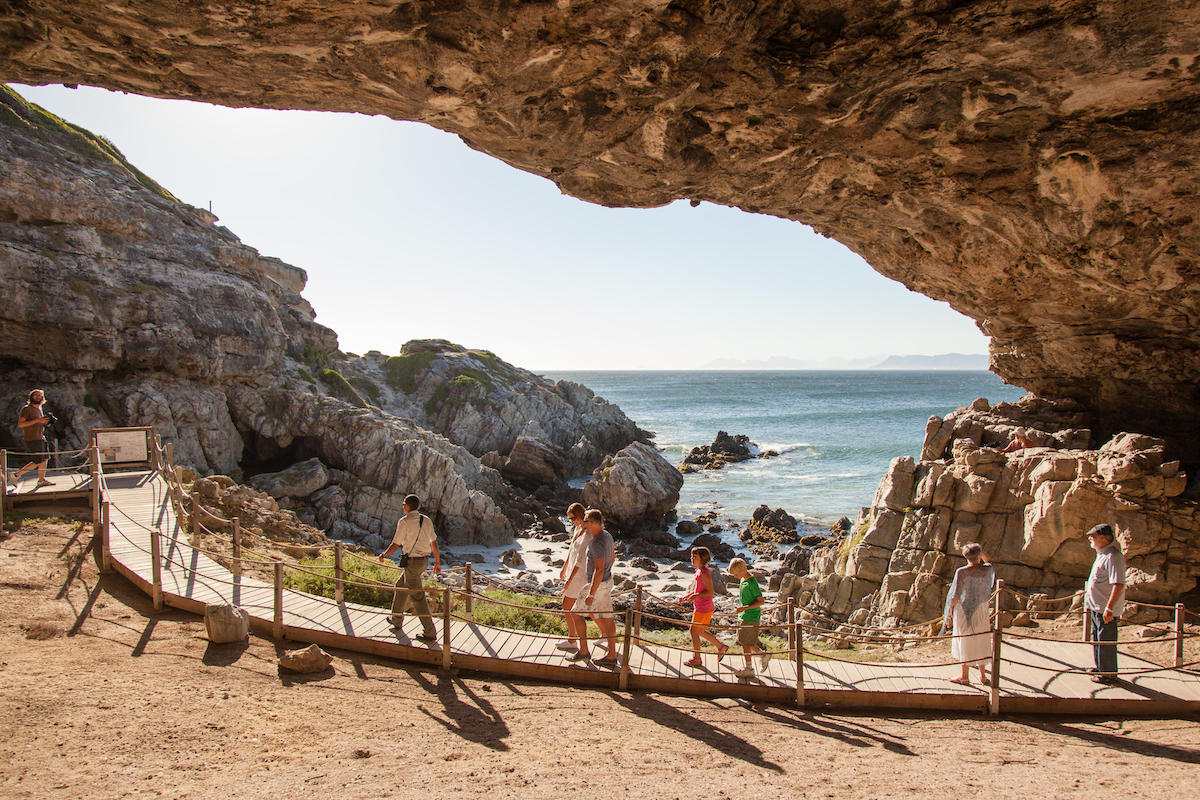
Kids of all ages will enjoy getting off the vehicle and stretching their legs to safely explore seaside caves along the Cape Town coast, like these at Grootbos. Look out for whales and pods of passing dolphins.
Are Cape Town safaris considered ‘proper safaris’?
We have selected only reserves we believe can provide an ethical and fulfilling safari experience with free-roaming game, naturally occurring species and a strong conservation ethos. Watching a lioness tend her cubs in the bush or rhino graze in the wild is special no matter where in the world you are.
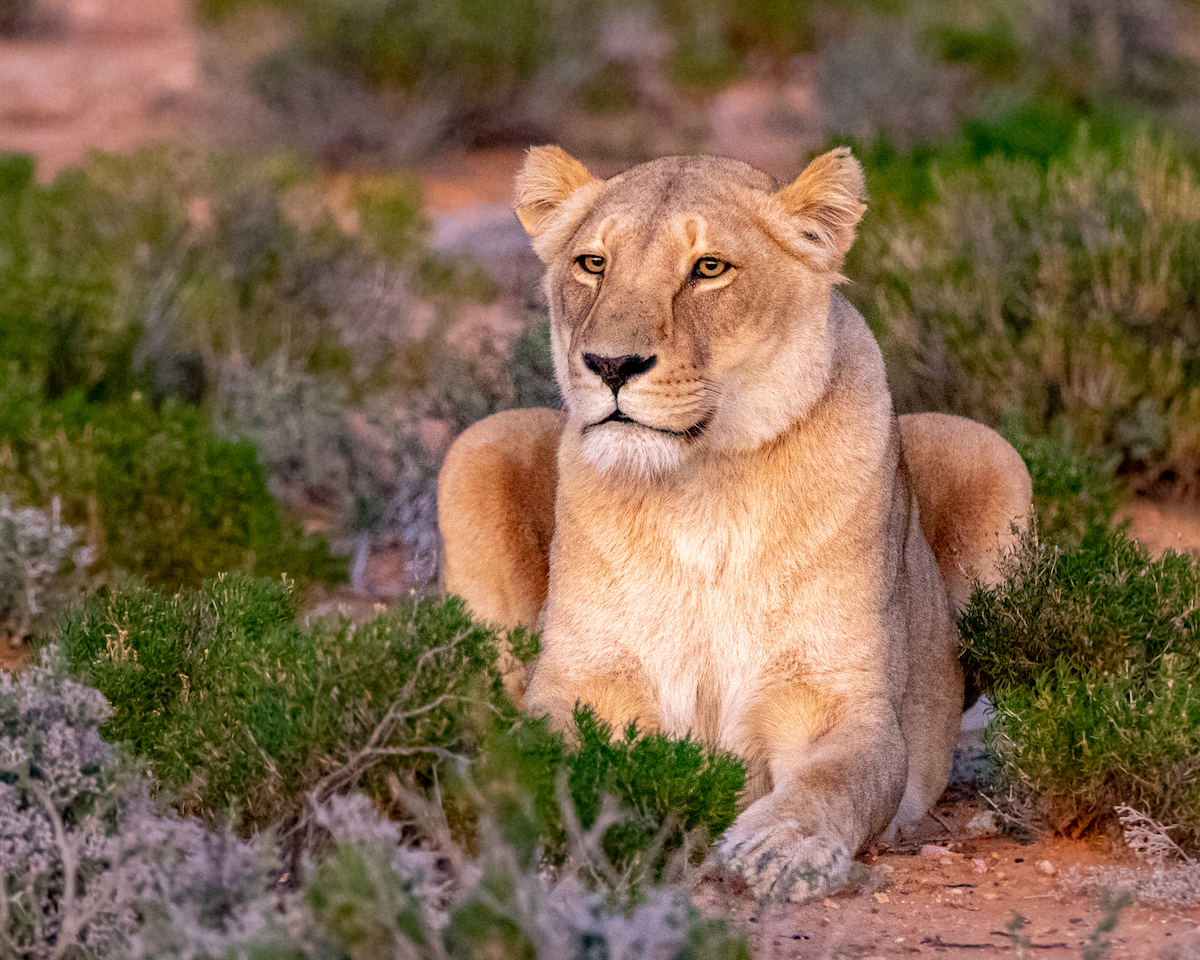
All of the Big 5 – including lion – now roam free at Kuganha for the first time in over 270 years after a carefully planned, conservation-led rewilding project.
Read More
We love helping first-timers come on safari. There is so much to see, do and experience. Please browse our expert FAQs so you can get the most of out your trip and have a smooth planning process: