

Dry season: May to October
May to August is generally cool and dry, while it gets warmer but stays dry from September onwards until about late October.
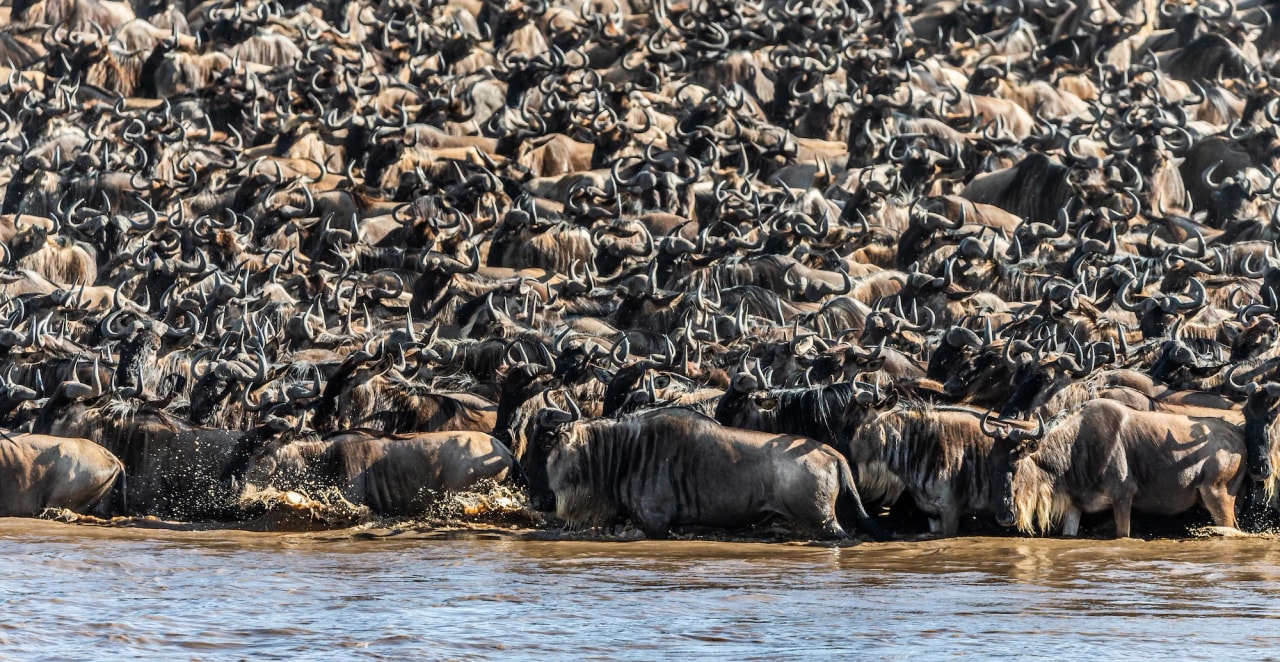
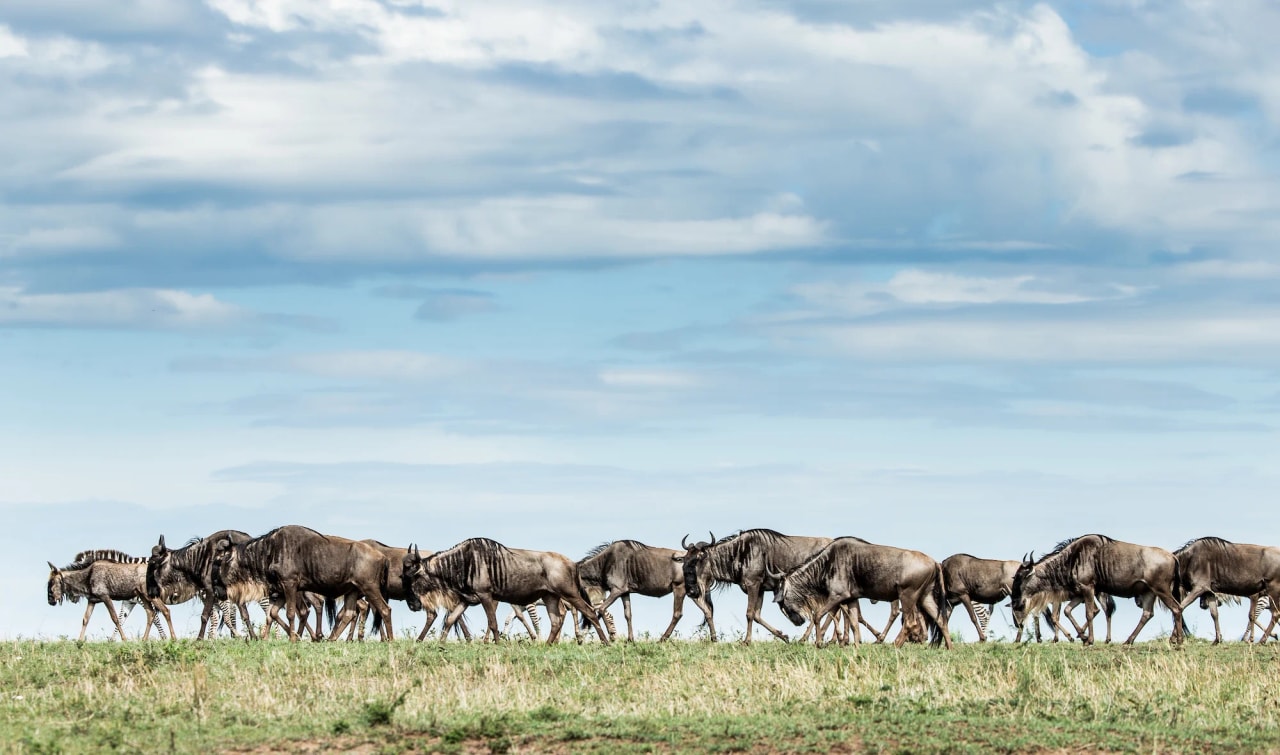
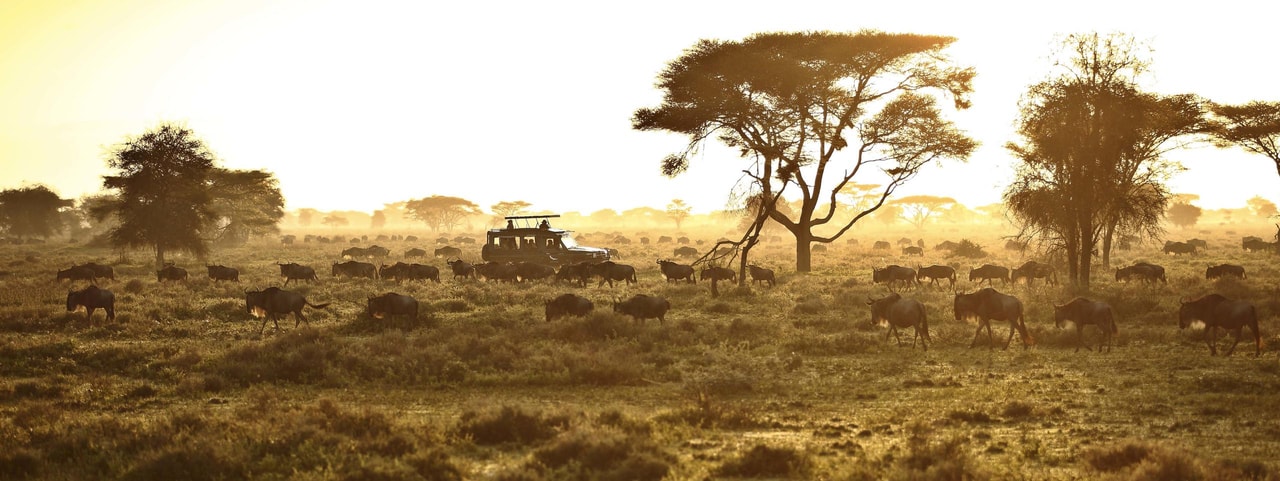
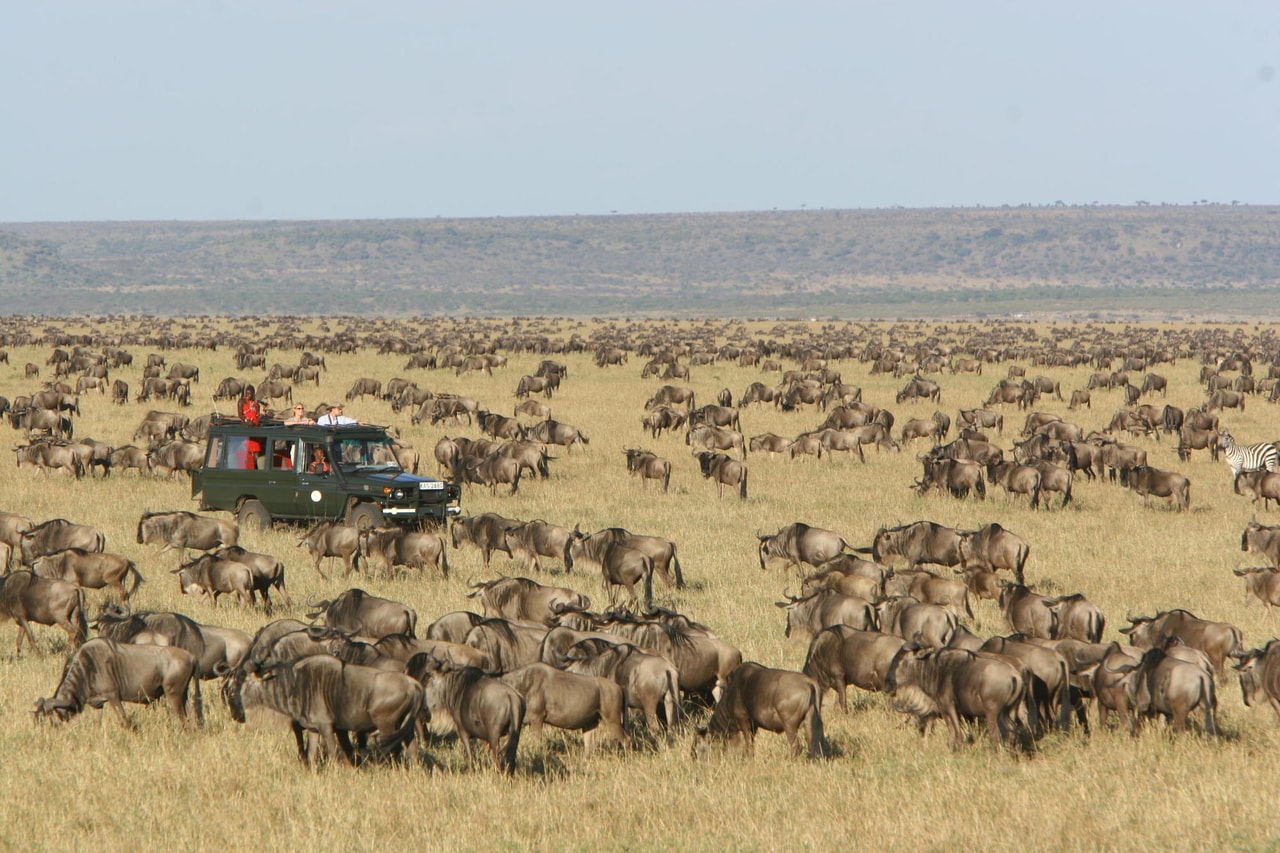
During this time, the wildebeest are generally in the Central Serengeti, taking advantage of the fresh grazing. Many of the females will be pregnant after the rut in about May, and so need nutritious grasses and plenty of water. By July and August, some have generally crossed the Grumeti River in the Western Corridor of the Serengeti and are starting to mass along the Mara River, getting ready to cross into the Masai Mara National Reserve in Kenya.
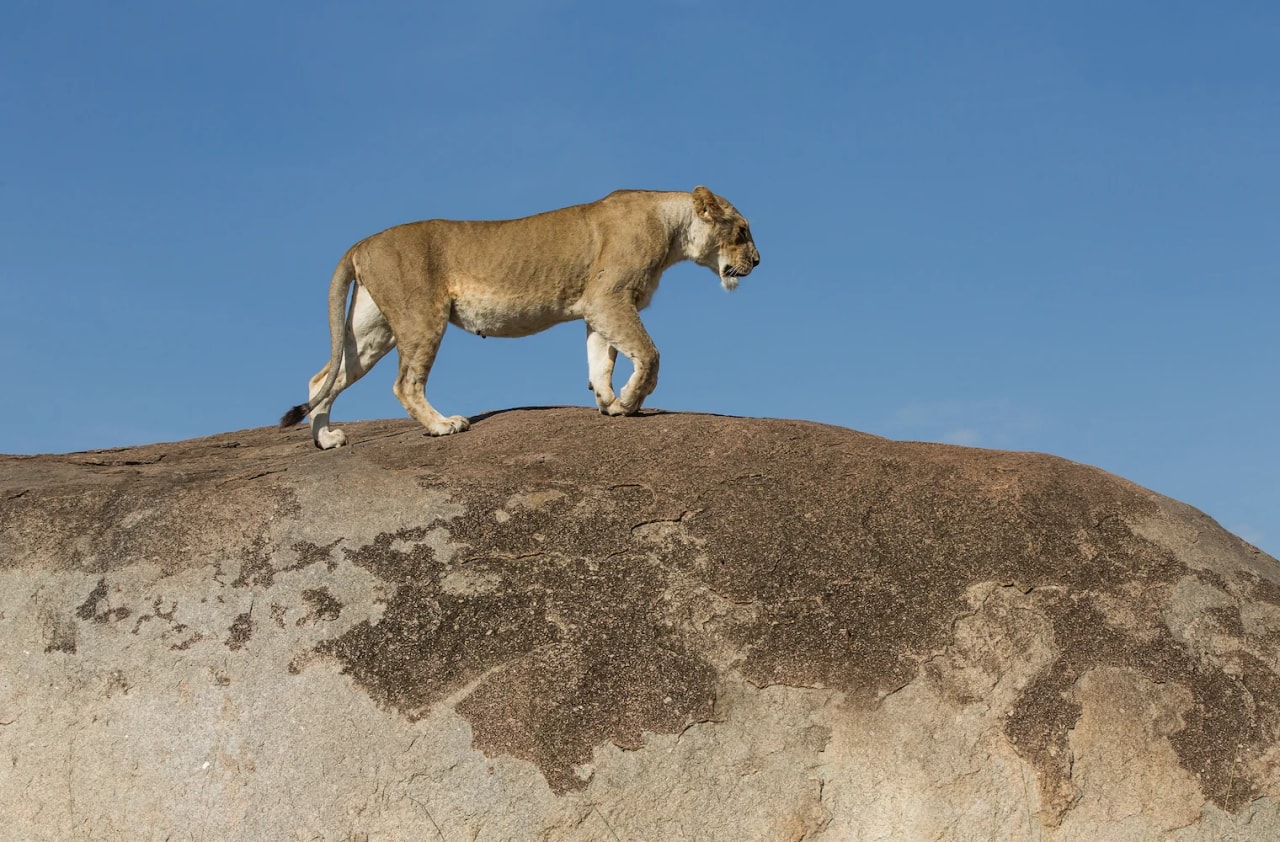
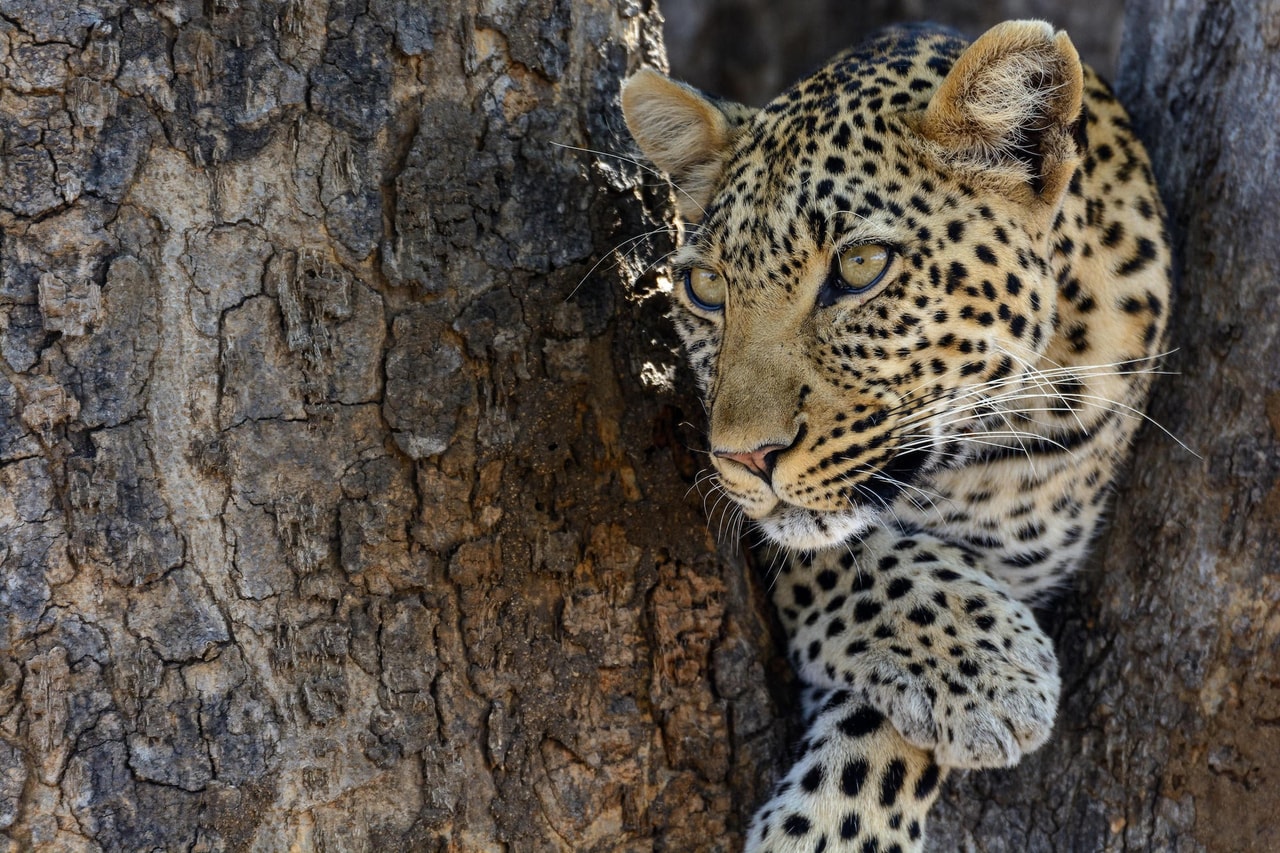
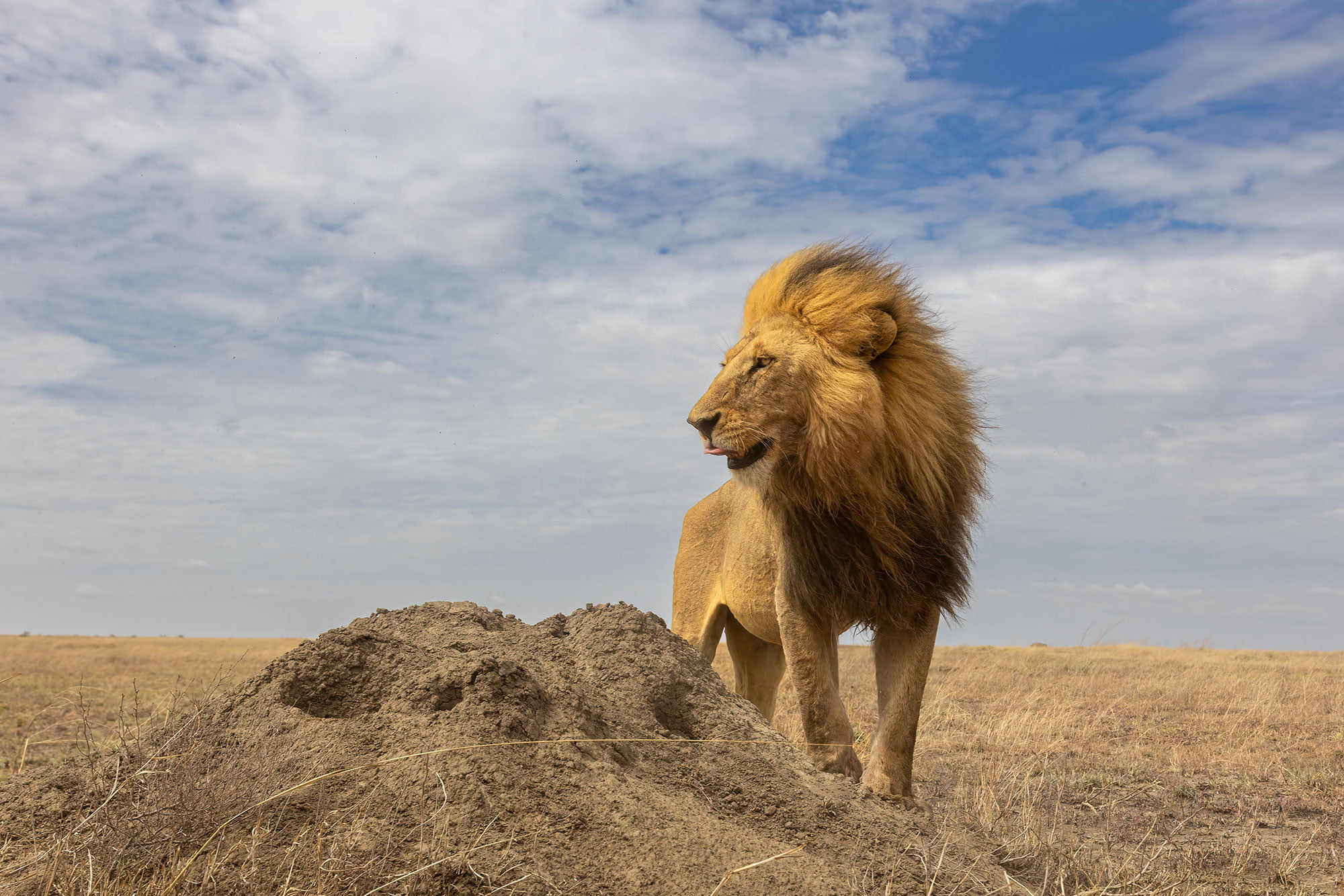
By October, the weather is hot and dry, and most of the wildebeest will have left the Serengeti. The remaining game will be gathered around waterholes as grazing and water start to dwindle. This is a boon for predators that ambush grazers at watering points.
Dry season is generally considered peak season and visitor numbers are at their highest from about July as visitors hope to see herds of wildebeest cross various rivers. This is a very unpredictable and dramatic spectacle as not only do they have to contend with currents and eroding river banks but also territorial hippos, enormous crocodiles and opportunistic predators. There is no way to know when the wildebeest will cross: they may not do so for days and have even been known to turn back and retrace their steps away from the Mara River!